For generations, humanity has looked toward the night sky and wondered whether life exists elsewhere in the universe. The question has inspired scientific inquiry, philosophical debate, and technological innovation. Today, researchers believe a newly developed analytical method could improve the search for evidence of life beyond Earth.
Scientists have introduced a statistical approach designed to identify potential biological signatures on distant planets. Rather than focusing on a single indicator, the method evaluates multiple factors that may collectively suggest the presence of life.
The search for extraterrestrial life is one of science's most challenging endeavors. Planets orbiting distant stars cannot usually be visited directly, requiring researchers to rely on information gathered through telescopes and remote observations.
Traditionally, scientists have examined atmospheric gases such as oxygen and methane as potential biosignatures. However, these substances can sometimes be produced through non-biological processes, complicating interpretation.
The new method seeks to address this challenge by combining different datasets and assessing probabilities across multiple variables. This approach may provide a more comprehensive picture of planetary environments.
Researchers emphasize that the technique does not guarantee the discovery of alien life. Instead, it offers a framework for evaluating evidence more systematically and reducing uncertainty.
The development comes at a time of rapid progress in astronomy. Advanced telescopes are providing increasingly detailed information about exoplanets located far beyond our solar system.
Future missions may generate enormous volumes of data. Improved analytical tools will be essential for helping scientists determine which observations deserve closer investigation.
Although definitive evidence of extraterrestrial life remains elusive, innovations such as this demonstrate how the search continues to evolve. Each improvement in methodology brings humanity one step closer to answering one of its oldest and most profound questions.
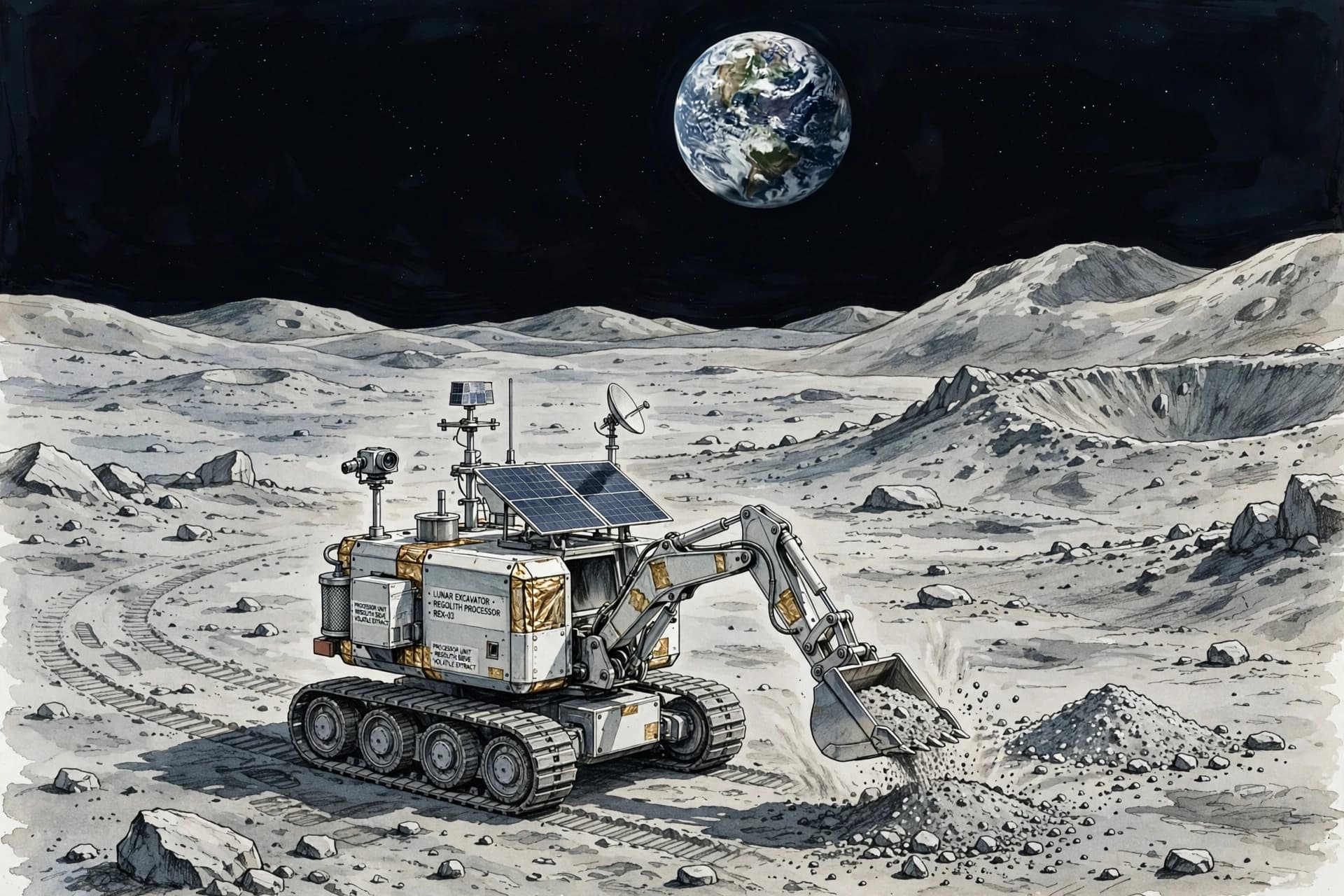
AI Image Disclaimer: The image accompanying this article is AI-generated and intended to illustrate astronomical research concepts.
Source Verification Check: EurekAlert, Nature Astronomy, Space.com, Scientific American, Astrobiology Journal
Published by Banx Network. This article is part of the Banx decentralized media programme, powered by the BXE token on the XRP Ledger.