The historic core of the capital is defined by its grand civic architecture, where stone facades, arched galleries, and heavy timber trusses stand as physical monuments to the city's cultural evolution. These structures, housing libraries, administrative offices, and public halls, have weathered centuries of human activity and seasonal changes. However, the relentless passage of time and modern environmental pressures demand a proactive approach to preservation.
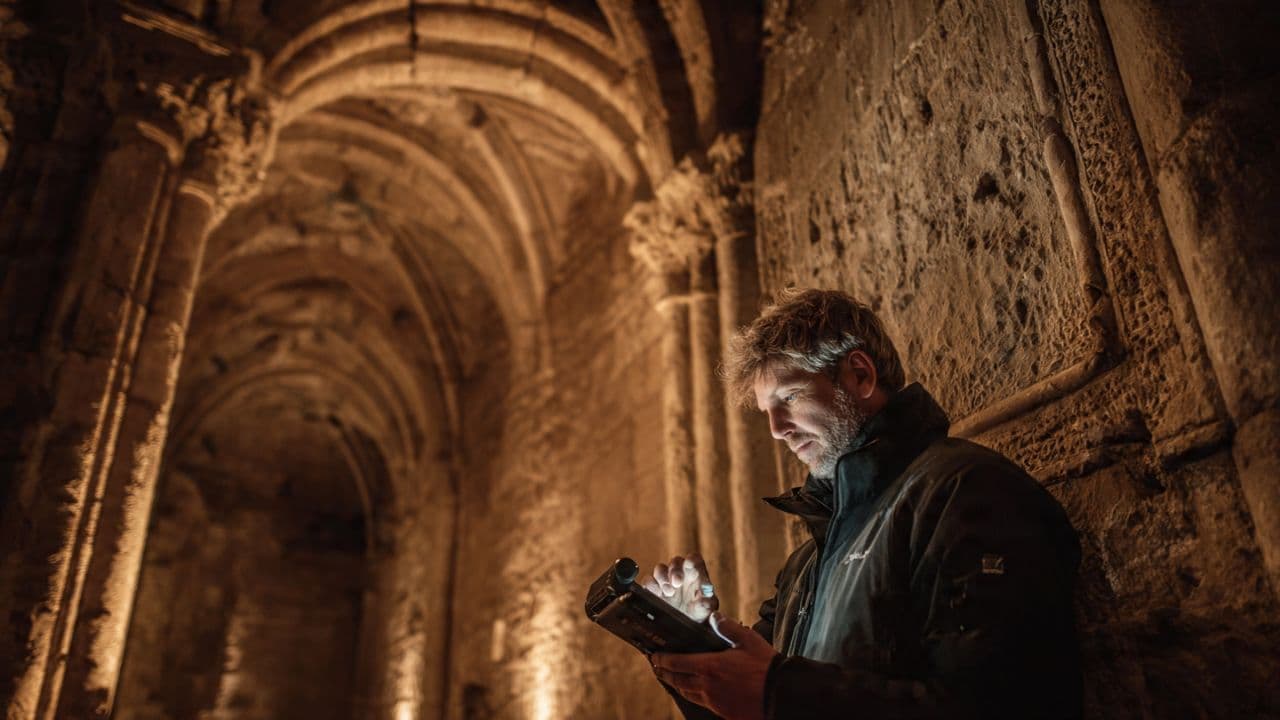
Recognizing that structural integrity cannot be assumed merely from visual permanence, the municipal council authorized a large-scale structural safety audit. A specialized team of structural engineers, architects, and materials analysts was assembled to conduct a deep diagnostic evaluation of the capital’s oldest public edifices. The project moved with a quiet, clinical focus through the subterranean foundations and hidden crawlspaces.
Using non-destructive testing methods, such as ultrasonic scanning and laser telemetry, the technical teams mapped the internal stresses within the load-bearing masonry walls. They discovered areas where subterranean moisture had slowly degraded the mortar beds, causing minor settlement patterns that, if left unaddressed, could threaten the overarching safety of the vaulted ceilings. The diagnosis was precise, providing a blueprint for targeted intervention.
Preserving a historic structure requires a delicate balance between ancient craftsmanship and modern engineering science. The restoration crews began the meticulous task of structural stabilization, injecting specialized lime-based grouts into the internal voids of the stone walls to restore their original compressive strength. Where necessary, subtle steel tie-rods were installed to anchor the heavy roof trusses to the perimeter masonry.
The work was carried out with minimal disruption to the public services operating within the buildings, with scaffolding erected behind decorative screens to maintain the aesthetic continuity of the public squares. The sound of diamond-tipped drills and the soft scrape of masons' trowels echoed through the old corridors, a mechanical dialogue between the past and the present.
By the conclusion of the summer quarter, the primary reinforcement phase was completed successfully, securing the buildings for decades to come. The digital monitoring sensors left behind within the walls will continue to transmit real-time data on structural movement to the municipal engineering office, ensuring an immediate warning of any future instability.
The completion of the safety project ensures that the capital's architectural anchors remain functional spaces for the community, rather than fragile museum pieces. The historic halls stand open and secure under the clear sky, their foundations renewed by the quiet application of modern engineering, ready to welcome the next generation of citizens.
Published by Banx Network. This article is part of the Banx decentralized media programme, powered by the BXE token on the XRP Ledger.