
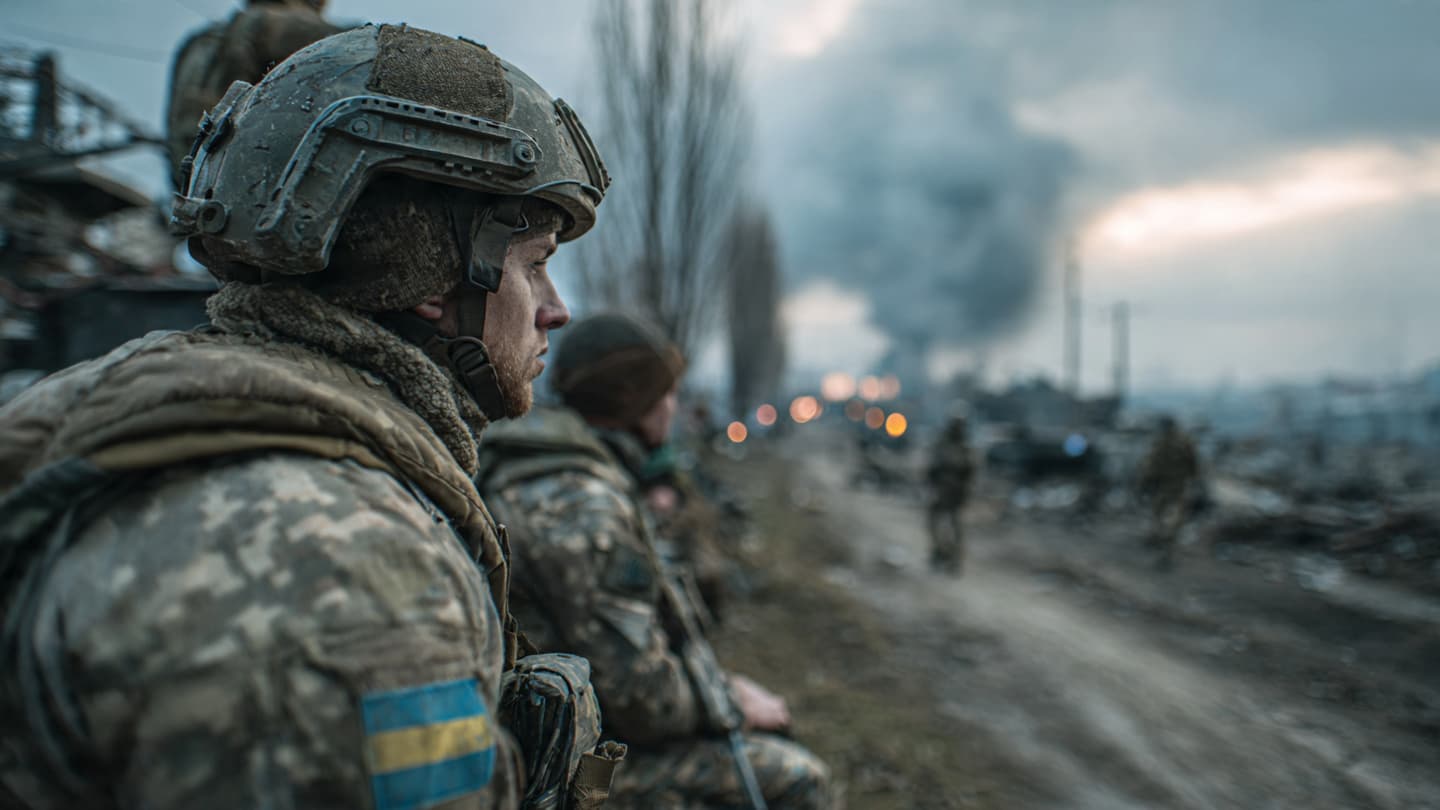
Wars are often remembered through decisive moments, but while they unfold, those moments rarely arrive with certainty. They emerge gradually, hidden beneath exhausted cities, military briefings, and the quiet resilience of ordinary lives. In Ukraine, one senior military commander recently suggested that the coming months may represent a critical turning point in the ongoing war with Russia—a statement carrying both cautious hope and deep awareness of what remains at stake.
More than two years since the conflict escalated into full-scale war, Ukraine continues to navigate a battlefield shaped by attrition, shifting alliances, and mounting human costs. Frontline advances have slowed in many regions, turning the conflict into a prolonged struggle where endurance increasingly matters as much as territorial movement.
Military leaders in Kyiv believe the next six months could significantly influence future negotiations, international support, and battlefield momentum. Much depends on continued Western military assistance, ammunition supplies, and Ukraine’s ability to maintain operational pressure while defending critical infrastructure.
At the same time, Russia has continued adapting its own military strategy. Increased drone production, fortified defensive lines, and sustained missile attacks have complicated Ukraine’s efforts to regain occupied territory. Analysts increasingly describe the war as a contest not only of weapons, but also of industrial capacity and political endurance.
International attention toward the conflict has also evolved. While many Western governments remain publicly committed to supporting Ukraine, political divisions in Europe and the United States occasionally reveal signs of fatigue. Economic pressures, election cycles, and competing global crises continue influencing public debate around long-term military aid.
For civilians inside Ukraine, discussions of “turning points” often feel distant from daily realities shaped by blackouts, displacement, and uncertainty. Yet despite hardship, many communities continue rebuilding schools, reopening businesses, and preserving routines wherever possible. In cities far from the front lines, ordinary life persists alongside the constant awareness of war.
Diplomatic observers note that military developments over the coming months may shape future peace discussions, even if formal negotiations remain unlikely in the immediate term. Historically, many conflicts reach negotiation stages only after prolonged periods of strategic exhaustion rather than decisive victory.
The commander’s remarks have therefore been interpreted less as a prediction of imminent resolution and more as recognition that the war may soon enter a new strategic phase. Whether that phase leads toward escalation, stalemate, or diplomacy remains uncertain.
For now, Europe watches carefully as another season passes over a conflict that has already reshaped global politics, energy markets, and international security. The idea of a turning point carries emotional weight because it reflects a universal hope—that even the longest and darkest chapters of history may eventually begin moving toward conclusion.
AI Image Disclaimer: Illustrative images related to this article were partially created using AI-generated visual rendering tools.
Sources Verification Check: Credible sources confirmed:
Reuters BBC Associated Press CNN International Al Jazeera
Note: This article was published on BanxChange.com and is powered by the BXE Token on the XRP Ledger. For the latest articles and news, please visit BanxChange.com