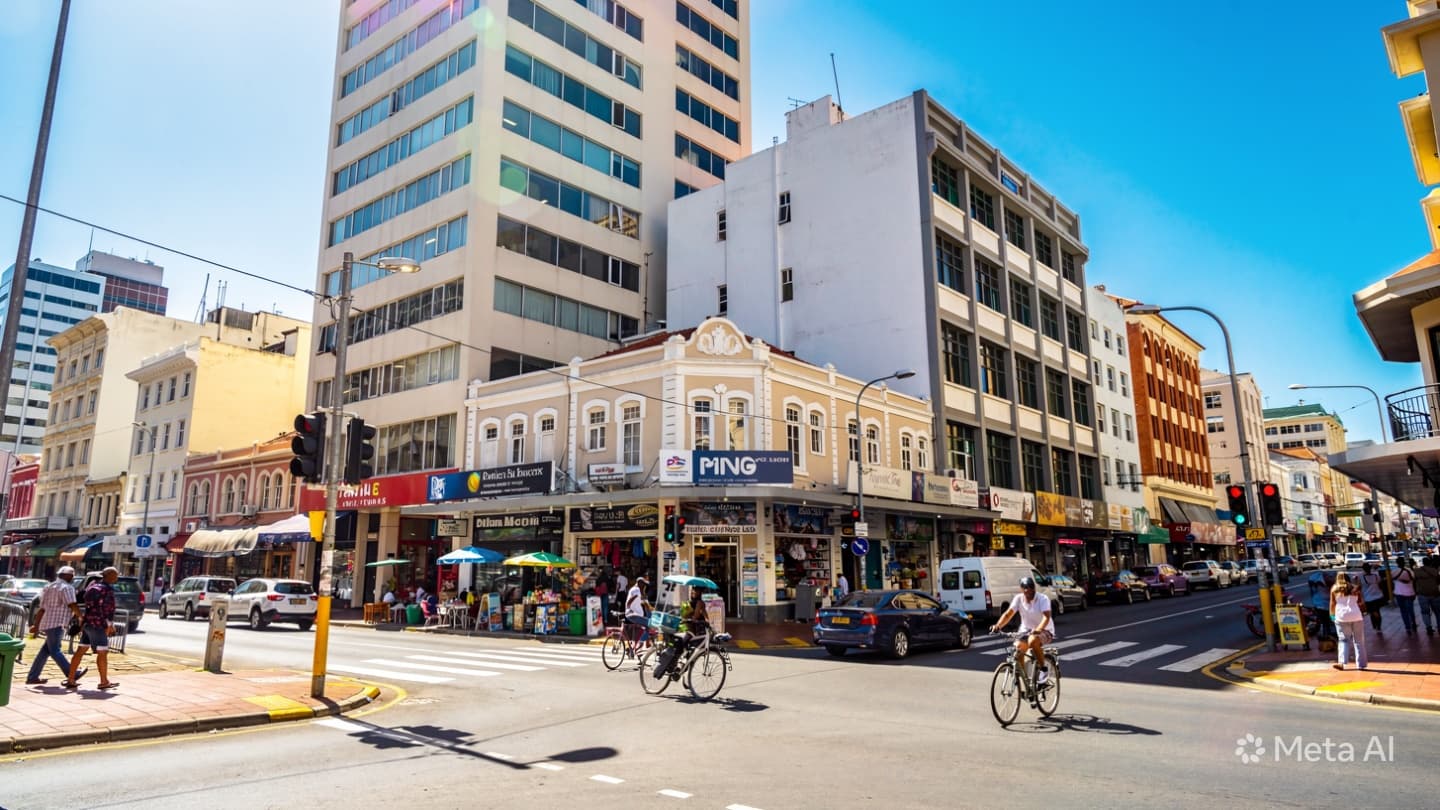
The urban heart of Durban beats with a frantic, unceasing energy, a place where commerce and migration collide under the weight of an expansive skyline. Recently, however, that rhythm has been interrupted by the sound of forced evictions, a process that strips away the veneer of the city to reveal the raw edges of human displacement. When anti-migrant tensions rise, they act as a corrosive force, dissolving the sense of belonging for those who have sought refuge within the business district’s dense, layered architecture.
This is not merely a matter of zoning or property rights; it is a profound intersection of fear, economic scarcity, and the quest for a place to call home. In the narrow corridors of the city, the struggle for space becomes a mirror for the broader social anxieties that permeate the region. As families and individuals are moved, we see the fracturing of small, hard-won communities. The streets, once conduits for daily commerce, become temporary vessels for the displaced, their belongings scattered like debris after a storm.
The tension driving these events is a slow-burning fire that has finally reached the surface. It is born of a perception that resources are finite and that the presence of the migrant is a challenge to the established order of the city. We observe these events with a distance that can feel cold, yet the reality on the ground is searing. There is a palpable friction in the air, a sense that the social contract is being rewritten in real-time, often without the consent of those who are most vulnerable to its changes.
As the evictions proceed, the city authorities find themselves navigating a labyrinth of legal and moral obligations. The process is ostensibly one of clearing space for development or maintaining the order of the district, but the underlying motivation speaks to a deeper, more pervasive unease. The images we see of people clutching their few remaining possessions are reminders of the fragility of stability in an era of rapid demographic shifts and economic uncertainty.
The narrative of the city is usually told through its growth, its skyline, and its market activity. But today, that narrative is being diverted toward the periphery. Those being evicted are forced to navigate the uncertainties of an environment that has turned against them, moving toward an unknown future. The business district, intended to be a hub of prosperity, now stands as a testament to the challenges of coexistence when the ground beneath one's feet feels increasingly unstable.
We must also consider the role of local advocacy groups and community organizers who stand at the precipice of these changes. They provide a vital, if often strained, counterbalance to the forces of displacement. Their presence ensures that the voices of the evicted are not entirely silenced by the heavy machinery of urban management. It is a testament to the persistent human desire for dignity, even when the structures of society seem designed to facilitate its erosion.
The legal dimension of this situation is currently evolving as various parties seek to establish the parameters of property rights versus the human right to shelter. The courts are being drawn into a conflict that is as much about the soul of the city as it is about the law. Every eviction order that is enforced carries with it a cascade of consequences, impacting the lives of those who have little to fall back on when the doors are closed.
As the dust settles on the recent evictions in Durban, the city remains in a state of guarded anticipation. The tension has not dissipated; it has simply shifted, awaiting the next moment of contact between those who claim the city and those who reside in its margins. The focus now turns to what, if anything, can be salvaged from this disruption and whether the future of the district can accommodate the diverse threads of humanity that have woven themselves into its history.
Published by Banx Network. This article is part of the Banx decentralized media programme, powered by the BXE token on the XRP Ledger.