
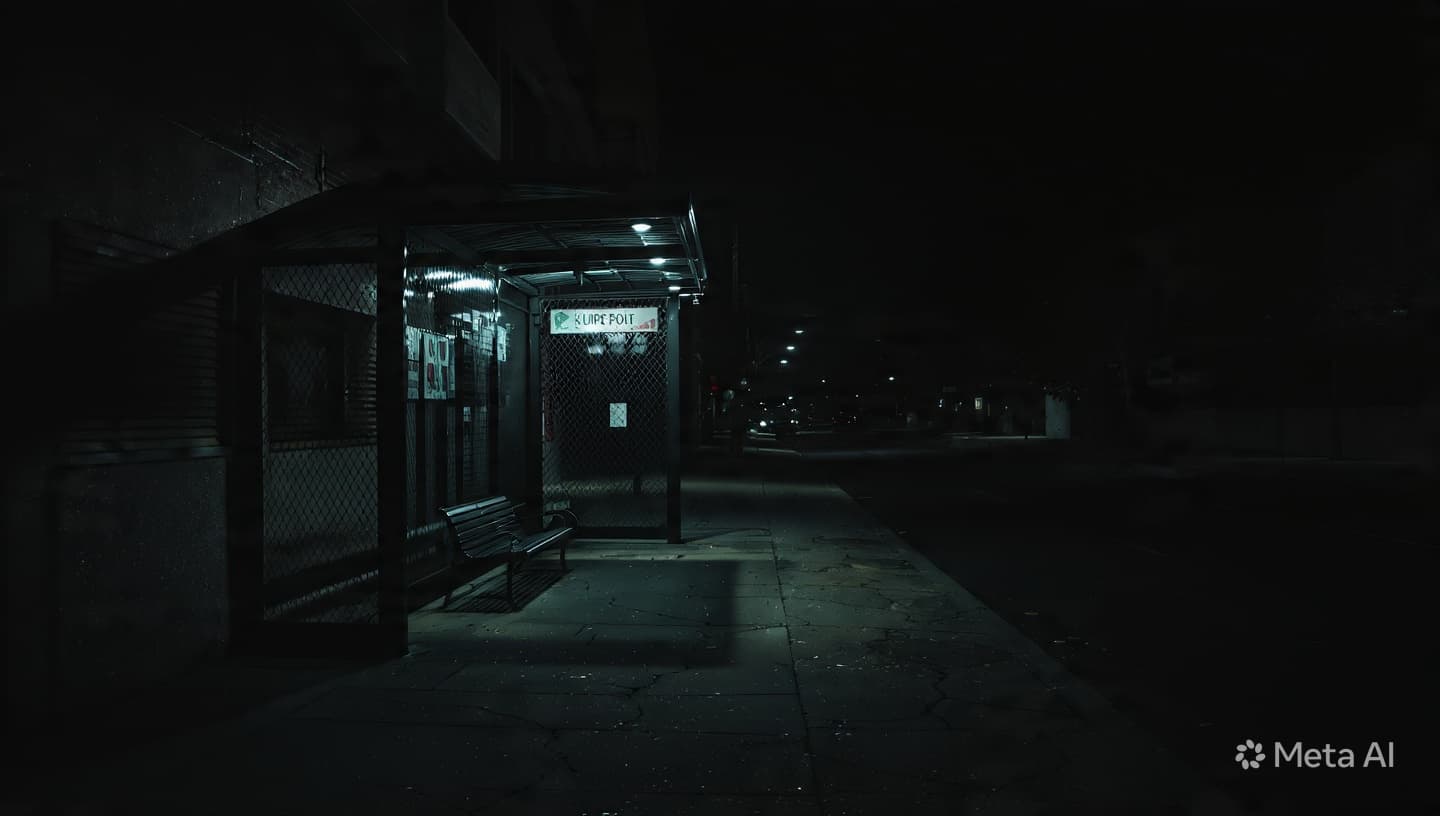
There is a fundamental difference between a city in the light and a city in the dark. In the context of Nicaragua’s public transportation network, this transition from day to night is not merely a change in lighting; it is a shift in the nature of risk. The buses and taxis that serve as the lifeline for so many become, in the late hours, corridors of potential uncertainty. To reflect on this is to acknowledge the sobering reality that for the traveler, the map of safe transit effectively shrinks once the sun goes down.
The advisories urging travelers to avoid public transport after dark are born of a consistent record of incidents. Robberies, assaults, and the predatory nature of opportunists who operate in the shadows of the bus stop create an environment where the simple act of going home or reaching a hotel becomes a significant hazard. It is an editorial reality that for those who rely on these systems, the evening hours are no longer a time of movement, but a time of retreat.
One contemplates the human experience of the passenger in these moments. The anxiety of waiting at a lonely stop, the constant scan of one's surroundings, and the feeling of vulnerability in a crowded, poorly lit bus—these are the hidden costs of an inadequate transit security infrastructure. It is a reflection of a system that has not yet prioritized the safety of its users, leaving the individual to navigate the darkness with nothing but their own caution.
The danger is magnified by the lack of infrastructure—the poor street lighting, the absence of surveillance, and the limited police presence that characterizes so many of these transit hubs. It is a structural failure that creates the conditions for crime to flourish. The risk is not just the occurrence of a robbery, but the cumulative effect of a society where the basic freedom of movement is constrained by the threat of violence.
For the visitor, the decision to avoid nighttime transit is often seen as a temporary inconvenience. Yet, it serves as a powerful mirror for the broader social conditions of the country. It highlights a reliance on individual vigilance rather than collective security, a reality that dictates the terms of life for everyone who calls Nicaragua home. To travel after dark is to accept a level of risk that is rarely acknowledged in the glossy brochures of tourism marketing.
As we consider these risks, we are prompted to think of the broader need for a transit system that is safe, reliable, and accessible for everyone, regardless of the time of day. The current state of affairs, where night travel is effectively a luxury or a gamble, is a reflection of a missed opportunity for development. It is an editorial call to recognize that security is the bedrock of a functioning public space, and that without it, the city remains divided.
Ultimately, the warnings serve a vital purpose: they remind us that our awareness is our best defense. As travelers, we are guests in a landscape that requires a deep respect for its complexities. Avoiding the transit networks after dark is not an act of cowardice; it is an act of deliberate, thoughtful navigation—a way of ensuring that our journey remains a story of exploration rather than one of regret.
Travel advisories consistently recommend that U.S. citizens and other travelers avoid all forms of public transportation in Nicaragua after dark. This includes city buses, intercity coaches, and unverified taxi services, as the risks of robbery and physical assault are significantly heightened during the night. Official sources note that the lack of street lighting and the absence of effective law enforcement on these routes make them prime targets for criminal activity, advising instead the use of pre-booked, reputable transport or avoiding movement entirely during nocturnal hours.
Published by Banx Network. This article is part of the Banx decentralized media programme, powered by the BXE token on the XRP Ledger.

.jpg&w=3840&q=75 "Russia Turns Black Sea Into World’s Deadliest Shipping Route as More Than 570 Ships Are Hit")
