Language often feels effortless. Words emerge in conversation, thoughts become sentences, and ideas travel from one mind to another with remarkable speed. Yet beneath that apparent simplicity lies one of the most complex biological achievements known to science: the human brain's ability to construct language.
A new neuroscience study has provided deeper insight into how the brain organizes and assembles sentences. Researchers have identified patterns of neural activity associated with the process of transforming thoughts into structured language.
The work relies on advanced brain-mapping techniques capable of tracking activity across networks of neurons. These technologies allow scientists to observe communication pathways that were previously difficult to measure in detail.
Rather than relying on a single language center, the brain appears to coordinate multiple regions during sentence formation. Different networks contribute to vocabulary selection, grammar, meaning, and speech planning.
The findings support the growing view that language emerges from collaboration across interconnected neural systems. This perspective reflects a broader understanding of the brain as a highly integrated network rather than a collection of isolated functions.
Researchers believe the study may eventually contribute to improved treatments for individuals affected by language-related disorders. Conditions resulting from stroke, injury, or neurodegenerative disease could benefit from more precise knowledge of neural language pathways.
The research also carries implications for education, cognitive science, and artificial intelligence. Understanding how biological systems process language may inspire new approaches in multiple fields.
Scientists emphasize that the brain remains extraordinarily complex. Even with modern technologies, many aspects of human cognition continue to resist simple explanations.
Still, each new map provides another glimpse into one of nature's most remarkable creations. By revealing how sentences emerge from neural activity, the study brings science a step closer to understanding the biological foundations of communication itself.
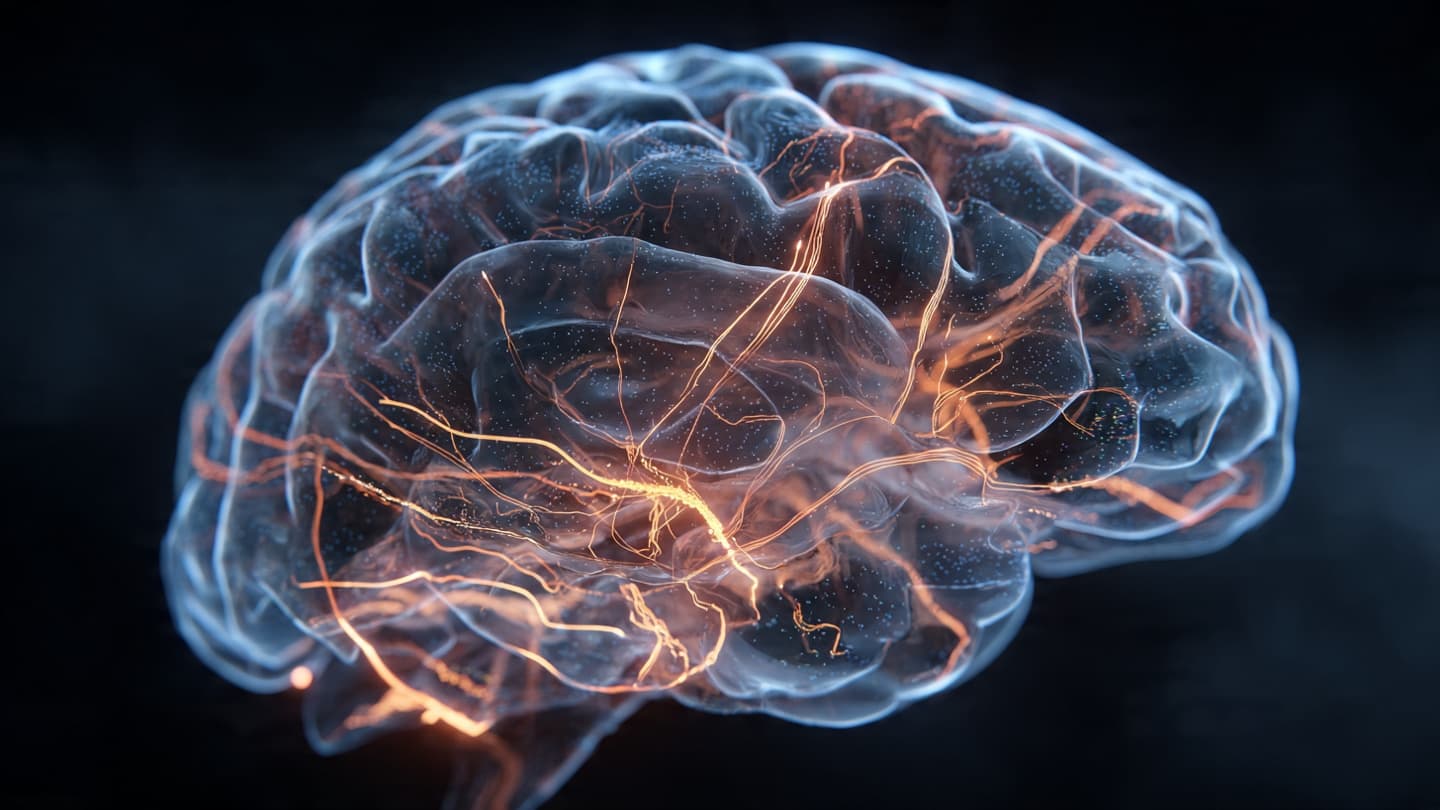
AI Image Disclaimer: Images used alongside this article are AI-generated scientific illustrations intended to visualize neuroscience concepts and are not direct recordings of brain activity.
Source Verification Check: Nature, neuroscience researchers, cognitive science institutions
Published by Banx Network. This article is part of the Banx decentralized media programme, powered by the BXE token on the XRP Ledger.