There are places on Earth where change happens quietly, far from crowded cities and busy ports. Antarctica is one of those places. Its vast stretches of ice often seem timeless, yet scientists continue to observe signs that this remote continent is experiencing significant transformations. Recent findings showing that an area of sea ice roughly the size of France is missing have drawn renewed attention to the region.
Sea ice around Antarctica follows a natural cycle of growth and retreat throughout the year. During colder months, ice expands across the ocean's surface before shrinking as temperatures rise. However, researchers have reported that recent observations fall well below historical averages, suggesting that natural patterns are being influenced by broader environmental changes.
Satellite monitoring has allowed scientists to track these developments with increasing accuracy. Data collected by international research organizations indicate that parts of the Antarctic coastline have experienced unusually low sea ice coverage. The findings have prompted further studies into the factors contributing to the decline.
Sea ice plays an important role in the global climate system. Its bright surface reflects sunlight back into space, helping regulate temperatures. It also provides habitat for marine life, including algae, krill, penguins, and seals, all of which depend on stable environmental conditions to survive and reproduce.
Researchers explain that changes in ocean temperatures, wind patterns, and atmospheric conditions can all influence sea ice formation. Climate trends observed over recent decades are being examined alongside natural climate variability to better understand the complex interactions affecting Antarctica.
The impacts of reduced sea ice may extend beyond the polar region. Ocean currents and weather systems are interconnected across the planet, meaning that changes in Antarctica could influence environmental conditions elsewhere. Scientists continue to study these relationships to improve long-term climate forecasting.
The findings also highlight the importance of international scientific cooperation. Research stations operated by different countries regularly share data and collaborate on studies designed to understand polar environments. Advances in satellite technology and climate modeling have strengthened these efforts.
Environmental experts emphasize that continued observation is essential. Long-term records help distinguish between short-term fluctuations and lasting trends, providing policymakers and communities with information needed to prepare for future environmental challenges.
As research continues, Antarctica remains both a natural wonder and a scientific laboratory. The recent loss of sea ice serves as another reminder that even the world's most remote landscapes are closely connected to the broader systems that shape life on Earth.
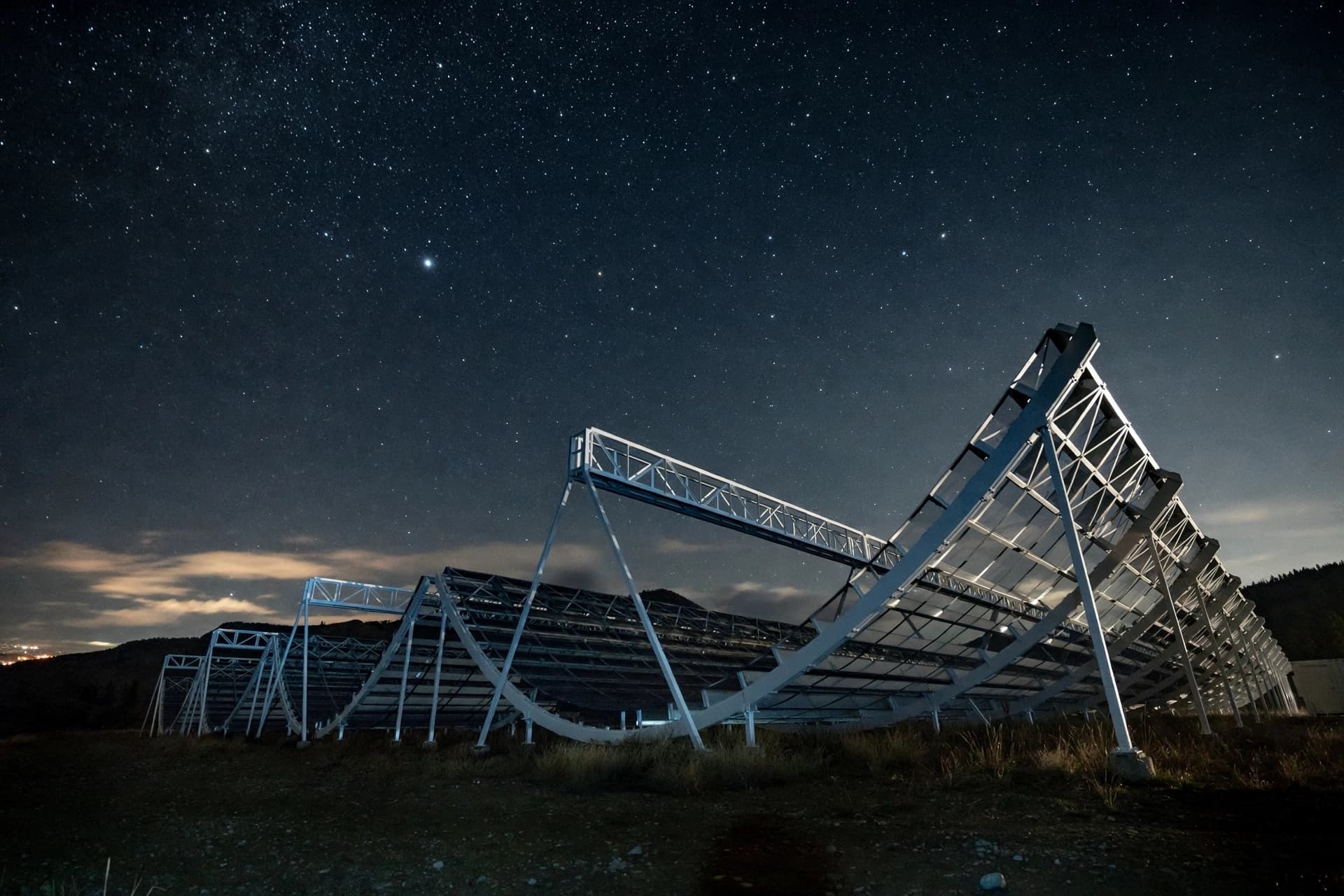
AI Image Disclaimer: This article features an AI-generated illustration created to visually represent the reported event.
Sources: The Guardian, National Snow and Ice Data Center, BBC News, Reuters
Published by Banx Network. This article is part of the Banx decentralized media programme, powered by the BXE token on the XRP Ledger.