
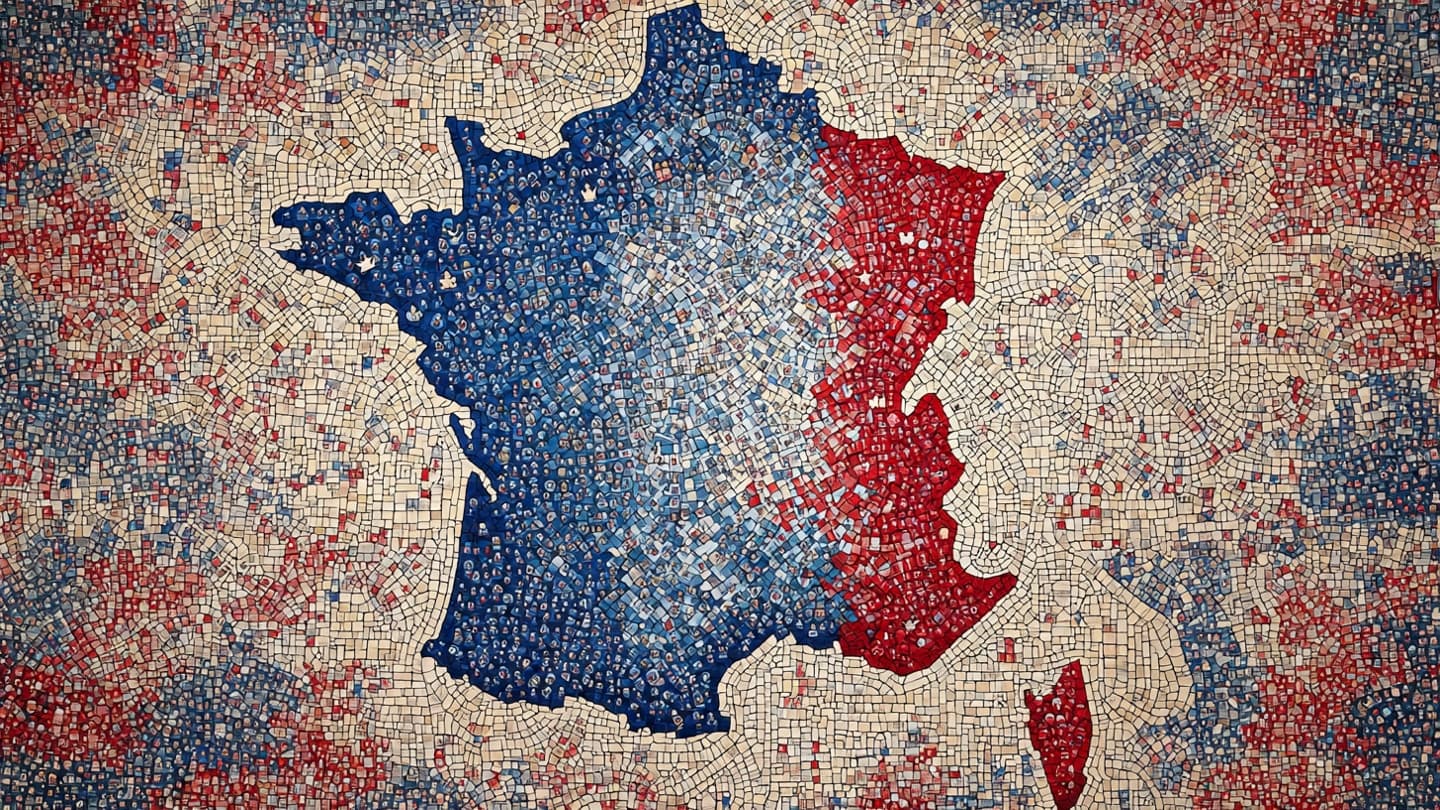
A mosaic is beautiful because of its many pieces. Yet the challenge lies in arranging those pieces into a coherent picture. France's political landscape increasingly resembles such a mosaic as the country approaches another important electoral cycle.
Political fragmentation has become a recurring theme in discussions among analysts, politicians, and voters. While the growing number of political movements reflects democratic diversity, it also raises questions about governance, coalition-building, and long-term stability.
Over the past decade, traditional political structures have undergone significant change. Established parties that once dominated national politics have seen their influence fluctuate, while newer movements have successfully attracted voters seeking alternatives.
This transformation has expanded political participation. Citizens now encounter a wider variety of viewpoints and policy proposals than in previous eras. Such diversity can enrich democratic debate and encourage broader civic engagement.
At the same time, fragmentation introduces practical challenges. Governments often require stable parliamentary support to implement policies effectively. When political support is distributed among numerous groups, building consensus may become increasingly difficult.
Economic concerns have contributed to this evolving environment. Issues such as inflation, employment, public spending, and social welfare continue to influence voter preferences. Different political movements often propose distinct solutions, further diversifying the national conversation.
Social and cultural debates also play an important role. Questions involving identity, integration, education, environmental policy, and regional development continue to shape political affiliations. As a result, voter behavior has become more complex and less predictable.
Many political leaders acknowledge the need for cooperation despite ideological differences. Some advocate broad coalitions capable of bridging political divides. Others argue that maintaining clear distinctions between parties helps preserve democratic accountability.
The coming elections may provide important insights into how French politics continues to evolve. Whether fragmentation leads to instability or simply reflects a more representative political landscape remains a matter of debate among observers.
For now, France finds itself navigating a delicate balance between diversity and unity. The country remains a vibrant democracy with a wide range of perspectives, yet the challenge of transforming those perspectives into effective governance will remain a central question in the years ahead.
AI Image Disclaimer
Illustrations were produced with AI and serve as conceptual depictions.
Sources
Reuters Le Monde France 24 Politico Europe Euronews
Note: This article was published on BanxChange.com and is powered by the BXE Token on the XRP Ledger. For the latest articles and news, please visit BanxChange.com