
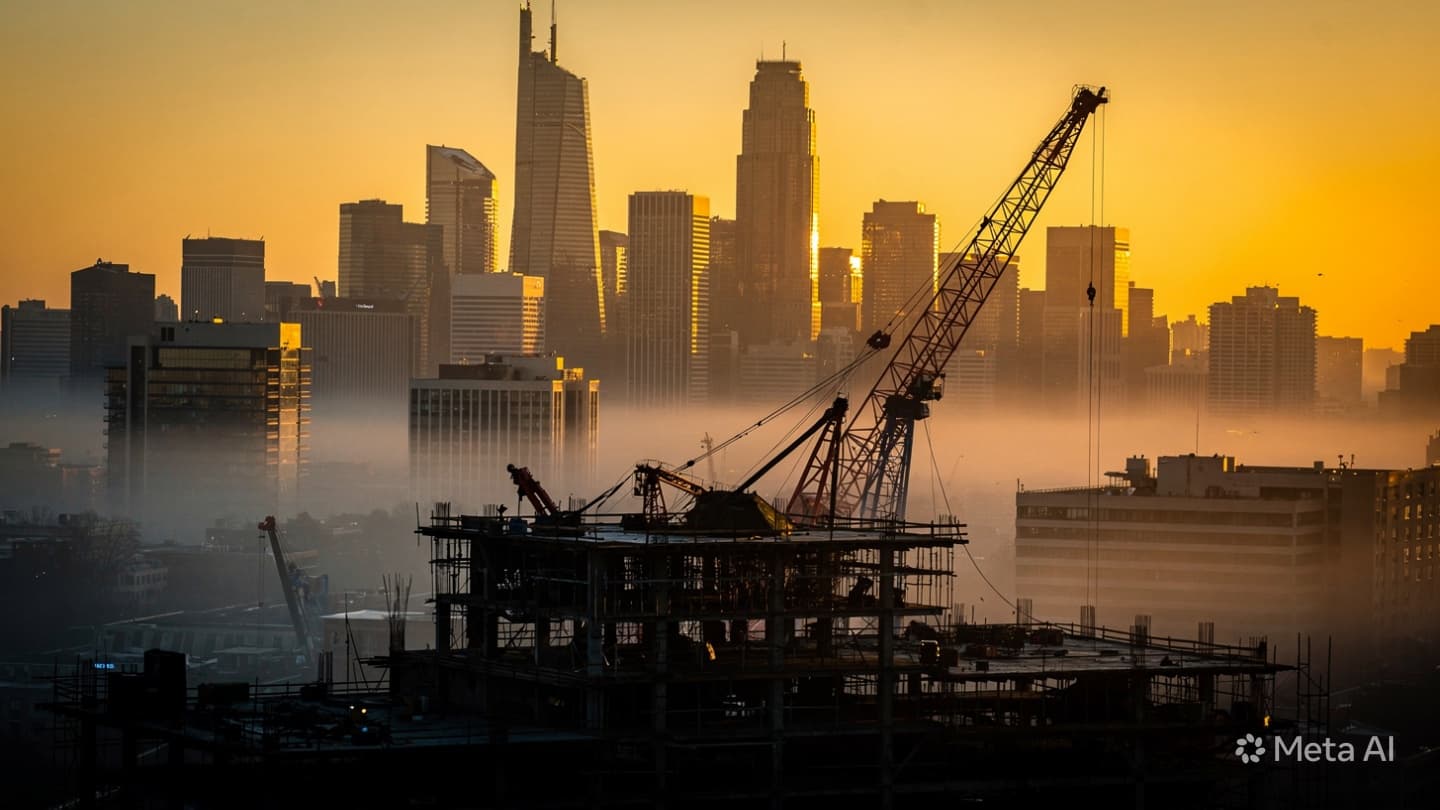
The modern metropolis is a landscape of perpetual becoming, a skeleton of steel and glass that climbs toward the clouds. In the heart of Shanghai, where urban development is measured in vertical meters, a crane acts as the silent sentinel of progress. These massive structures, suspended against the skyline, are usually symbols of ambition, yet they possess a precarious vulnerability when tethered to the complexities of a dense site.
The sudden collapse of such a mechanism is a violent intrusion into the rhythm of the city. It represents a rupture in the expected narrative of construction, where order is meant to prevail over the raw forces of physics and chance. When the steel gives way, the silence that follows is thick with the realization of how fragile the foundations of our progress truly are.
On the ground, the immediate response is a blur of motion—the arrival of emergency services, the cordoning off of the site, and the frantic attempts to assess the wreckage. The scene becomes a tableau of scattered debris, a jagged testament to the instability that can strike even the most calculated environments. It is a sight that forces the observer to pause and reconsider the cost of the architecture rising around them.
The workers who define these spaces often operate in a state of quiet focus, their lives interwoven with the heavy lifting of the city. When their labor is abruptly halted by tragedy, the impact is felt far beyond the perimeter of the project. It is a communal loss that ripples through the city, touching those who walk past the site on their way to work, indifferent to the mechanics above.
To reflect on such an event is to observe the intersection of human endeavor and unforeseen failure. There is a melancholy in the sight of twisted metal that was intended to reach for the heavens, now crumpled against the pavement. The grandeur of the skyscraper feels diminished, its promise momentarily eclipsed by the grim reality of the fallen structure.
Investigators will spend the coming days parsing the details of the failure, looking at load-bearing capacities and the integrity of the materials. Their work will be essential for the safety of future projects, yet the technical language they employ serves as a thin veil over the tragedy. It is an analytical pursuit that struggles to grasp the gravity of the human loss within the industrial setting.
As the site remains dormant, the surrounding city will eventually resume its pace, the noise of traffic and commerce filling the void left by the machinery. The skyline will continue to expand, reaching ever higher into the ether, but the shadow cast by this incident will remain, a quiet footnote in the history of the neighborhood’s transformation. It is a sobering reflection on the cost of ambition.
Urban planners and developers will undoubtedly review their protocols, seeking to refine the safety measures that govern these gargantuan efforts. The goal is to harmonize the drive for expansion with the need for security, ensuring that the act of building does not compromise the lives of those who build. It is a balance that requires constant vigilance and a respect for the unseen elements of construction.
Local authorities in Shanghai confirmed that a crane collapsed at an urban development site on May 31, 2026. The incident resulted in the deaths of several workers, prompting a halt to all activities at the site while safety officials conduct a thorough investigation into the cause of the mechanical failure.
Note: This article was published on BanxChange.com and is powered by the BXE Token on the XRP Ledger. For the latest articles and news, please visit BanxChange.com