.jpg&w=3840&q=75 "The Interrupted Run Through the Channel Shadows: Reflections on Maritime Border Enforcement")
The waters that connect the islands of the Comoros archipelago are ancient pathways of trade and migration, where the currents of the Mozambique Channel move between the volcanic shores with a deep, constant power. For centuries, small dhows and motorized craft have navigated these straits, carrying families, spices, and legal cargo from island to island under the watch of the mountain peaks. It is a maritime landscape defined by its openness, a geography where the sea is not a barrier but a highway that unites a scattered population. But this very connectivity also presents an open door for a shadow trade that seeks to bypass the official ports of entry, utilizing the cover of darkness to move unregistered goods across the borders.
Operating an unregistered vessel through these channels at night is a high-stakes gamble that relies on the vastness of the water and the limited resources of the coastal lookouts. These boats often move without navigation lights, their crews keeping a silent watch as they try to blend into the shadow of the coastal cliffs where the radar signatures are difficult to separate from the rock. Within their hulls lies a diverse manifest of unmanifested wealth—electronics, alcohol, tobacco, and commercial textiles—all destined for the black markets of the capital where they can be sold without the burden of state tariffs. It is an enterprise that undermines the official economy and introduces an element of lawlessness into the shared waters.
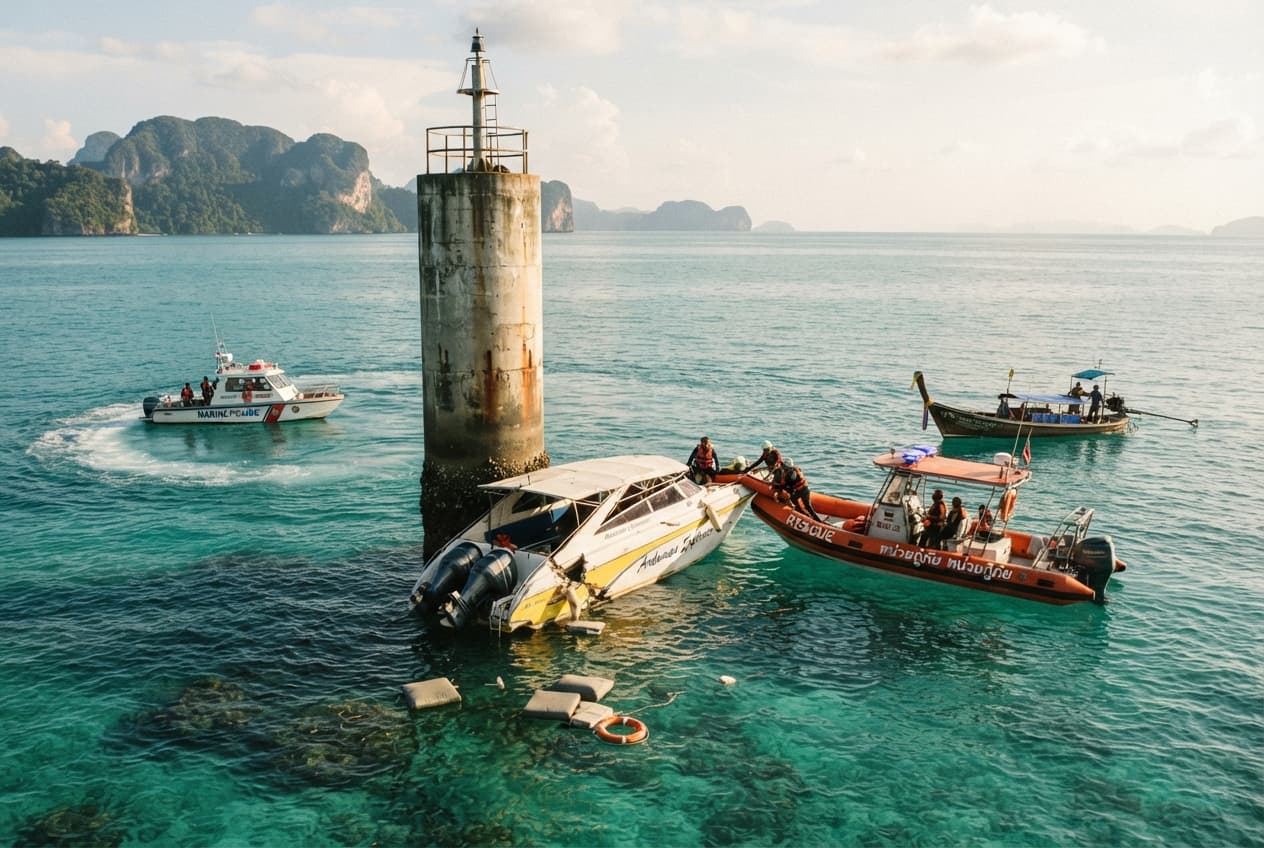
The success of the maritime security patrols relies on a combination of technology, patience, and an intimate knowledge of the smuggling routes that run through the reefs. On the bridge of the patrol boat, officers spend hours in the dim glow of instrument panels, scanning the green sweeps of the radar screen for that single, unexplained blip that moves with too much calculation. When a target is identified, the interception is executed with a sudden, disciplined speed, the heavy engines of the naval craft roaring as they close the distance through the dark chop. The illumination of the searchlight cuts through the mist like a blade, pinning the unregistered vessel in a beam of brilliant white light that leaves no room for flight.
The moment the security forces board the craft, the maritime silence is replaced by the crisp, authoritative commands of the law. The crew of the smuggling boat offers no resistance, their energy deflating instantly as they realize that the dark sea has failed to protect their enterprise. As officers open the hatches to inspect the tightly packed cargo, the scale of the operation becomes clear, a physical manifestation of a border that requires constant, active defense. The contrast between the clean, wild beauty of the ocean and the crowded, illicit interior of the boat is a reality that the patrols encounter on almost every watch.
The return to the naval base in Moroni is a slow, methodical journey, with the captured vessel secured by thick ropes to the stern of the patrol craft. The lights of the capital appear on the horizon, a cluster of yellow sparks against the dark mass of Mount Karthala, signaling a return to the rigid order of the shore. At the military pier, custom officials wait with notebooks and scales, ready to begin the long process of cataloging the seized goods and processing the detainees. The port, with its fences and guards, feels small and controlled after the wide freedom of the channel.
This successful interception is a quiet reminder of the ongoing effort required to maintain the economic and physical security of an island nation’s borders. Every vessel that evades customs represents a loss of revenue that should fund the schools, hospitals, and roads of the country, turning a private profit into a public deficit. The vigilance of the sea patrol is the primary line of defense against this erosion, a constant assertion that the laws of the land extend to the deepest waters of the state.
As the sun rises over the harbor, casting a warm light across the rows of seized boxes stacked on the concrete, the patrol crew prepares for their next deployment. The boat is refueled, the instruments are checked, and the men rest before returning to the dark channels where the shadow trade is always looking for an opening. The sea looks calm and inviting under the morning sun, but the watchers know its secrets.
Naval command representatives confirmed that the vessel was intercepted seven miles off the coast of Grand Comore during a routine counter-smuggling sweep. The craft, which lacked any official registration markings or flag documentation, was found to be carrying commercial electronics and tobacco products valued at several million Comorian francs. The four crew members, all foreign nationals, have been handed over to the gendarmerie for formal processing prior to their appearance before the judicial tribunal.
Published by Banx Network. This article is part of the Banx decentralized media programme, powered by the BXE token on the XRP Ledger.