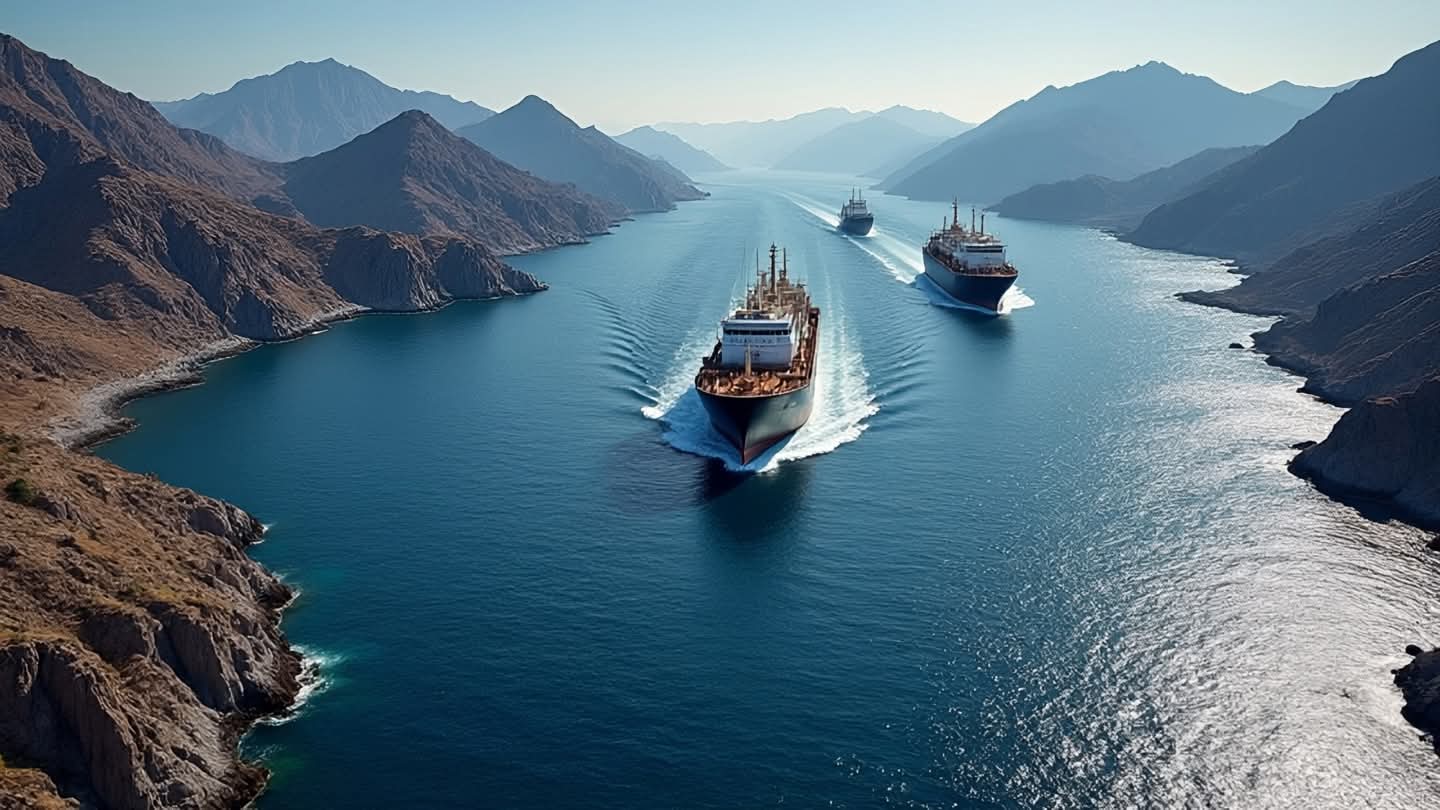
The bustling commercial shipping corridors that connect regional maritime hubs serve as the absolute lifeblood of international trade, managing the constant, bulk transit of energy resources, raw materials, and containerized consumer goods. In these high-volume marine sectors, operations are governed by strict international protocols, customs declarations, and precise cargo manifests designed to track the flow of global commodities. The management of fuel transportation relies on absolute transparency—a shared legal framework requiring vessel masters to report the exact volume, origin, and destination of all petroleum products moving through territorial waters. Yet, within these massive industrial movements, opportunities exist for maritime syndicates to utilize commercial tankers as low-profile conduits for large-scale contraband fuel smuggling.
During a targeted maritime enforcement operation in the outer shipping lanes, coastal security vessels and customs authorities intercepted a mid-sized commercial tanker following an automated risk-profile analysis. When specialized boarding teams systematically audited the vessel’s technical layout and fluid levels, they discovered a massive discrepancy between the official cargo manifest and the physical contents of the ship's subterranean storage holds. Deep within unlogged ballast spaces and modified internal compartments, the vessel was transporting hundreds of tons of high-grade, unreported contraband fuel, intended to be slipped into local commercial ports without paying state tariffs or environmental duties.
The interception of a dedicated fuel-smuggling tanker highlights the highly organized, corporate nature of modern maritime crime rings that exploit the global energy supply chain for massive illicit profits. These syndicates utilize functional commercial vessels and licensed mariners to execute their logistics, banking on the assumption that port authorities will perform only cursory inspections on routine industrial traffic. The contraband fuel is typically acquired from black-market sources or countries under trade restrictions, then blended with legitimate cargo or offloaded in clandestine ship-to-ship transfers at sea before entering commercial distribution networks on land.
The containment and processing of the smuggling vessel required a complex, multi-agency operation, with coastal tugs escorting the heavily laden tanker to a secure industrial naval terminal equipped to handle volatile chemical assets. Customs officers and fuel forensics specialists spent days executing precise tank readings, taking chemical core samples to determine the precise refining origin of the seized petroleum, and analyzing the ship's navigation computer logs. This detailed technical reconstruction is vital for building an unassailable judicial case, mapping out the precise maritime route the vessel took to avoid international tracking arrays.
The economic and systemic impact of maritime fuel smuggling is profound, robbing the state of vital tariff revenues, undercutting legitimate energy distributors, and funding international criminal networks through untraceable cash flows. Furthermore, the transport of undocumented fuel inside non-standard or poorly maintained ballast tanks poses a severe ecological hazard to vulnerable marine ecosystems, risking catastrophic spills along the coast. Countering this threat requires an unyielding combination of satellite tracking, real-time radar analysis, and strict physical inspections of all commercial vessels exhibiting irregular transit profiles.
As the formal legal proceedings move forward against the vessel's officers and corporate operators, maritime authorities are intensifying their integration of real-time fuel flow monitoring and international intelligence sharing. The successful seizure serves as a powerful warning to international shipping registries that compliance with maritime law is actively enforced within territorial waters. The industrial shipping channels return to their daily routines of moving global commerce, but under a newly instituted framework of absolute maritime monitoring that ensures the sea lanes remain channels of legitimate trade.
Coastal authorities, operating in a joint task force with the Customs Department, announced the successful detention of a commercial cargo tanker carrying three hundred and eighty tons of unreported contraband fuel. The specialized marine interception occurred approximately eleven miles off the coast, where patrol vessels boarded the craft following an intelligence-driven tracking operation targeting suspicious transit profiles. The captain and four senior crew members, all foreign nationals, were taken into immediate custody and transported to a mainland detention facility.
The state prosecutor’s office has filed formal charges encompassing grand customs evasion, maritime documentation fraud, and illegal transportation of hazardous materials under the national revenue statutes. Financial investigators have initiated a comprehensive corporate audit of the shipping company's registry, which is suspected of operating offshore shell structures to manage illicit maritime distribution pipelines. The seized tanker and its entire cargo, possessing an estimated market value exceeding 450,000 euros, have been formally impounded by the state pending final judicial forfeiture hearings.
Published by Banx Network. This article is part of the Banx decentralized media programme, powered by the BXE token on the XRP Ledger.