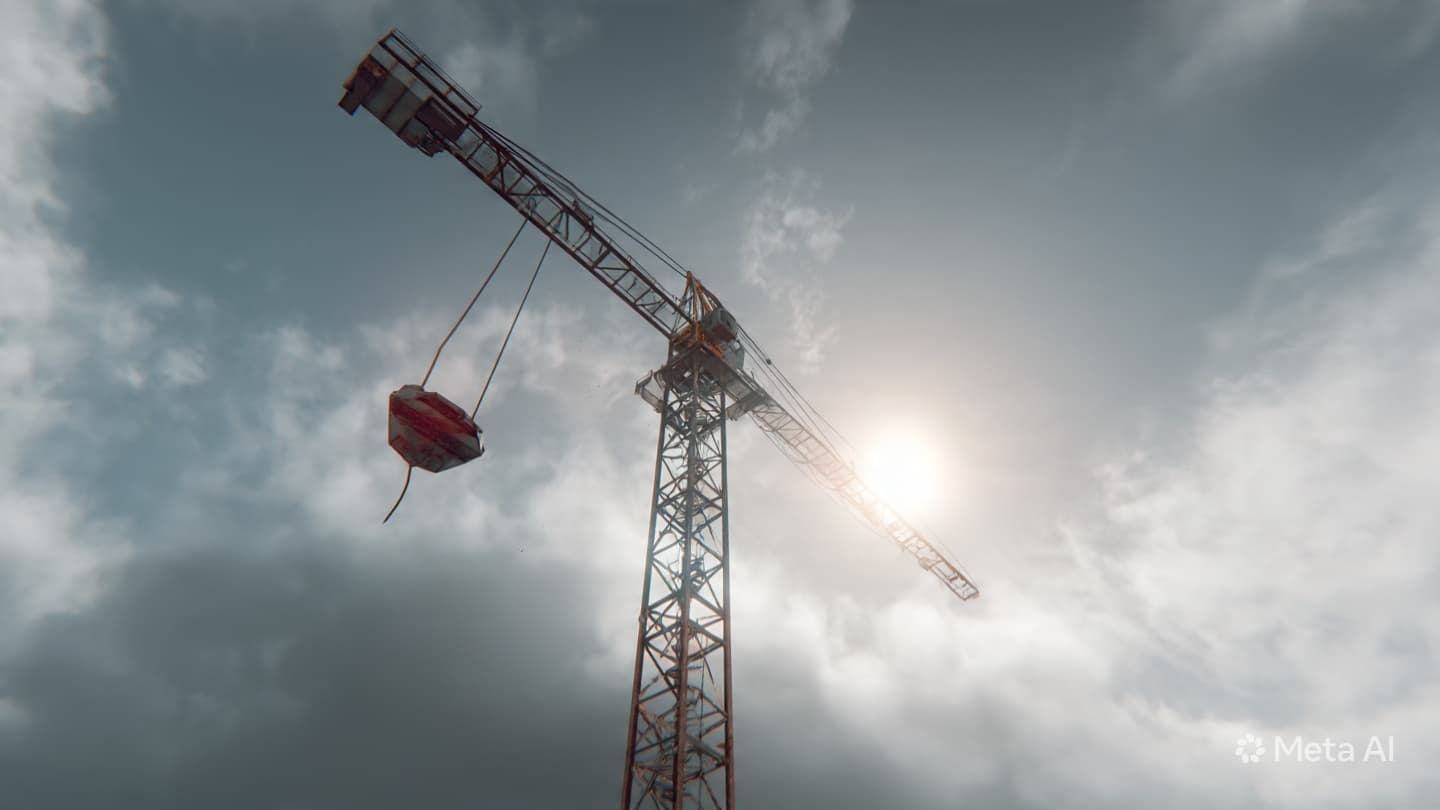
Above the bustling streets of Birmingham, the skyline is constantly being rewritten by the silhouettes of cranes and the skeletal growth of new structures. This is the geography of ambition, a place where the city stretches upward, fueled by the labor and dedication of those who walk the steel beams. Yet, within this landscape of progress, there exists an inherent, silent danger, a reminder of the gravity that governs both our architecture and our fragile mortal existence.
When the work is interrupted by a sudden, tragic fall, the entire atmosphere of the construction site shifts. What was moments before a cacophony of sound—the clatter of metal, the rumble of machinery, the shouts of coordination—falls into a profound, heavy silence. It is as if the city itself pauses, acknowledging the loss of a worker who contributed to the very fabric of the urban environment.
The site, once a symbol of what is to come, becomes a place of stillness and inquiry. The scaffolding, now a frame for reflection, seems to hold the weight of the event, casting shadows over the ground below. For those who labor in these heights, the incident is a stark confrontation with the reality of their environment, a moment where the routine of the day is shattered by the sobering truth of their proximity to the edge.
Labor is a quiet, persistent force, a testament to the endurance of the human spirit. Those who build our cities do so often in the background, their efforts integrated into the buildings we inhabit without a second thought. When a life is lost in the process of this construction, it brings into sharp focus the human cost behind the steel and glass, prompting a collective pause to honor the individual effort and the irreplaceable life now silenced.
In the wake of such an occurrence, there is a complex mix of emotions that ripples through the community. There is the sadness for the family, the shock of the fellow workers, and the broader concern for the systems designed to ensure safety at these great heights. The site becomes a place of deep, introspective thought, where the standard metrics of progress and deadlines are temporarily eclipsed by the human reality of the situation.
The transition back to normal life in the city takes time, as the memory of the event lingers in the minds of those who pass the site on their daily commute. They look up at the cranes, now seemingly more imposing than before, and acknowledge the risks taken in the name of development. It is a quiet form of respect, an acknowledgment that the city’s expansion is tethered to the lives of those who build it.
As investigators look into the details of the incident, the site remains a site of quiet, measured attention. The focus shifts from the pace of construction to the necessity of oversight, an attempt to reconcile the ambitions of the city with the safety of its workers. It is a process that requires patience and a commitment to understanding, ensuring that the legacy of those lost is not just a footnote in the history of the build.
Emergency services were called to a construction site in Birmingham following a report of a worker falling from height. Despite the efforts of the responders, the individual was pronounced dead at the scene. The Health and Safety Executive has been notified, and work on the site has been temporarily suspended while an investigation into the circumstances of the fall is conducted to ensure all safety standards are reviewed.
Published by Banx Network. This article is part of the Banx decentralized media programme, powered by the BXE token on the XRP Ledger.