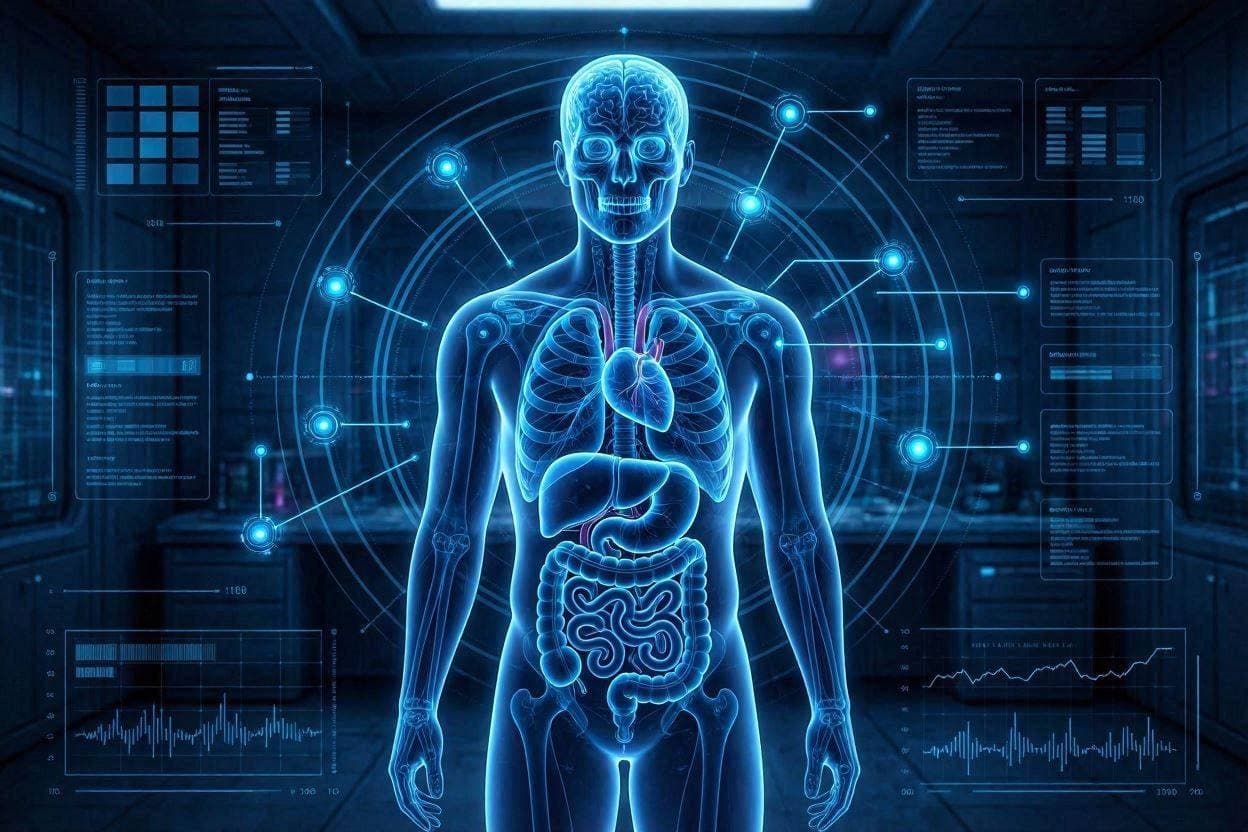
In the quiet hum of server rooms and the intricate dance of algorithms, a new era of medicine is quietly taking shape. Artificial intelligence models are no longer just processing data; they are beginning to predict the future of human health with startling accuracy. By analyzing vast troves of patient records, genetic information, and lifestyle factors, these digital systems can forecast the likelihood of diseases long before symptoms manifest, offering a glimpse into a proactive rather than reactive healthcare landscape.
The technology relies on deep learning architectures that identify subtle patterns invisible to the human eye. Where a doctor might see isolated lab results, an AI model sees a complex web of correlations spanning years of medical history. This holistic view allows for the early detection of conditions such as heart disease, diabetes, and even certain cancers, providing a critical window for intervention. The promise is not just in diagnosis, but in prevention, shifting the focus from treating illness to maintaining wellness.
For patients, this shift offers hope for personalized care. Instead of generic treatment plans, individuals could receive recommendations tailored to their unique biological makeup and risk profile. This precision medicine approach minimizes trial-and-error prescribing and reduces the burden of side effects. It empowers patients with knowledge, allowing them to make informed decisions about their health and lifestyle choices with greater confidence.
However, the integration of such powerful tools into clinical practice is not without challenges. The accuracy of these models depends heavily on the quality and diversity of the data used to train them. If historical data contains biases, the predictions may inadvertently perpetuate inequalities in healthcare access and outcomes. Ensuring that these algorithms are fair and representative is a moral imperative that requires rigorous oversight and continuous refinement.
Privacy concerns also loom large over this technological advancement. The use of sensitive personal health data raises questions about consent, security, and ownership. Patients must trust that their information is protected from misuse and that the benefits of sharing their data outweigh the risks. Transparent policies and robust cybersecurity measures are essential to building and maintaining this trust in an increasingly digital medical ecosystem.
Healthcare providers are adapting to this new reality, learning to interpret AI insights alongside their clinical expertise. The goal is not to replace the human touch but to augment it, freeing doctors from administrative burdens and allowing them to focus on patient interaction. The synergy between human empathy and machine intelligence holds the potential to revolutionize the patient experience, making care more efficient and compassionate.
As research continues, the scope of these predictive models is expanding. Future iterations may incorporate real-time data from wearable devices, creating a dynamic and continuously updated health profile. This evolution promises a healthcare system that is not only smarter but also more responsive to the individual needs of every patient.
Closing: The ability to forecast disease through patient data represents a significant leap forward in medical science. As we navigate the ethical and practical complexities, the ultimate goal remains clear: to harness technology for the betterment of human health and longevity.
AI Image Disclaimer: The visual content accompanying this article is AI-generated for illustrative purposes and does not depict actual patient records or specific medical software interfaces.
Sources: Nature Medicine MIT Technology Review The Lancet Digital Health BBC Future
Published by Banx Network. This article is part of the Banx decentralized media programme, powered by the BXE token on the XRP Ledger.