
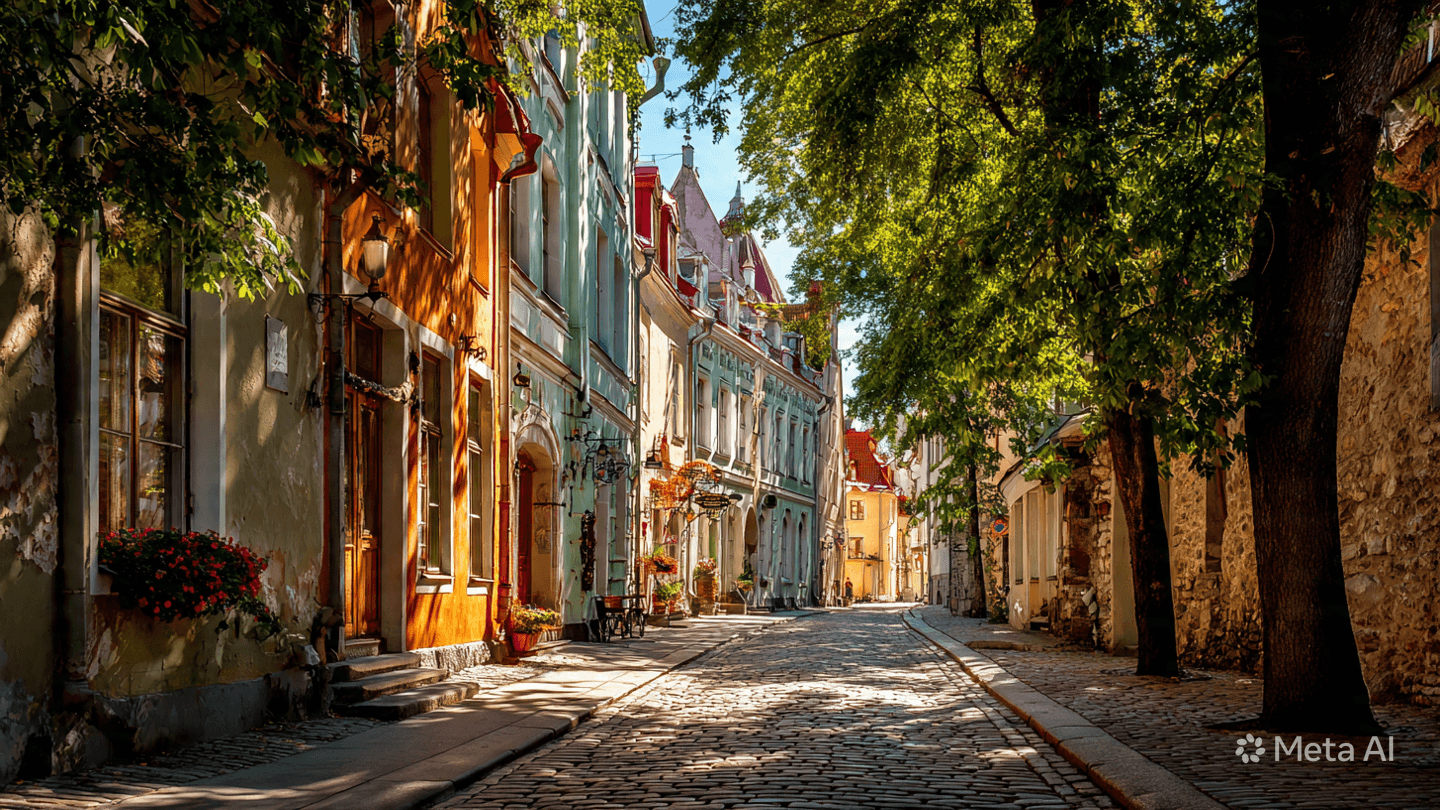
In the quiet, stone-paved streets of Tallinn, the summer heat has arrived with an uncharacteristic intensity, casting a shimmering veil over the medieval spires and the modern life that pulses at their base. As the temperatures climb, the city’s emergency services have issued a steady, rhythmic caution—a reminder that for those who have weathered the most seasons, the warmth of the sun can be a burden rather than a delight. It is a moment for the community to look toward its elderly, recognizing that the fragility of age requires a protective, communal awareness.
To understand the dehydration risks is to appreciate the delicate balance of the human body, a system that, with the passage of time, loses some of its innate ability to signal its own needs. The warnings are not mere bureaucracy; they are an editorial reflection on the necessity of connection. In a city as historic and enduring as Tallinn, the well-being of the elderly is a measure of our collective character. By encouraging hydration and advising a retreat from the midday glare, the authorities are facilitating a culture of mindfulness, where the strength of the young is used to shield the vulnerability of the old.
There is a profound, almost poetic stillness in these hours of extreme heat. The city seems to hold its breath, waiting for the cooling relief of the evening breeze. During this pause, the role of the caregiver—the family member, the neighbor, the friend—becomes the most vital element of urban life. The simple act of providing a glass of water, of closing the heavy curtains against the sun, or of ensuring a cool space is maintained, is a quiet, powerful testament to the bonds that hold a society together.
As the sunlight refracts off the Baltic waters and filters into the quiet courtyards of the Old Town, the city remains a place of grace. The emergency services serve as a calm, guiding hand, their public advisories acting as a foundation for our own local initiatives. We are reminded that the infrastructure of a city is not just its roads or its buildings, but the invisible network of care that links citizen to citizen. In the heat of the summer, this network is what keeps the pulse of Tallinn steady and humane.
The challenge of the heat is transient, yet it reveals the enduring necessity of our commitment to one another. As we move through these days, the warnings from Tallinn’s emergency responders serve as an invitation to slow down, to notice those around us, and to prioritize the comfort of the most vulnerable. It is a collective effort, a shared responsibility that makes the city not just a place to live, but a place where every life is held in high regard. Even as the mercury rises, the spirit of the community remains cool, collected, and deeply, naturally protective.
Tallinn’s emergency and public health services have issued an official advisory regarding the current high-temperature spell, specifically targeting the health and well-being of the elderly population. The warning emphasizes the heightened risk of dehydration and heat-related exhaustion among citizens over the age of 75, whose physiological ability to regulate temperature is reduced during sustained heat events. Authorities are urging informal caregivers and the general public to assist vulnerable individuals by ensuring adequate hydration, maintaining cool living environments, and limiting outdoor activities to the cooler morning and evening hours.
Note: This article was published on BanxChange.com and is powered by the BXE Token on the XRP Ledger. For the latest articles and news, please visit BanxChange.com