
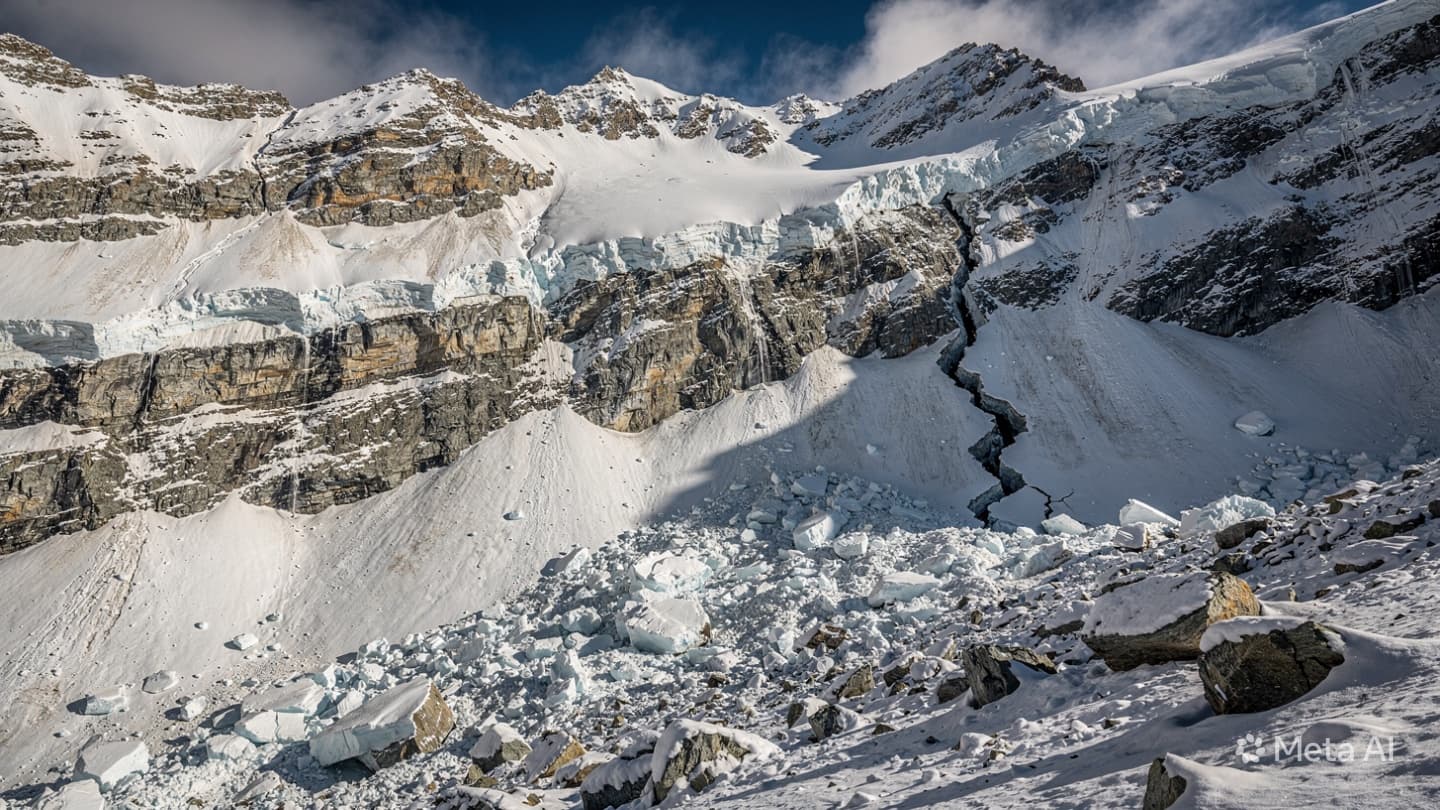
Zermatt, Switzerland—A massive slab avalanche released on an unmarked slope in the Swiss Alps during the early hours of June 11, 2026, burying and killing three backcountry skiers. The touring party was navigating a steep couloir at an elevation of over three thousand meters when the snowpack fractured above them, creating a four-hundred-meter wide slide. Alpine rescue services launched a full-scale search operation after receiving an emergency beacon signal from a surviving member of the group.
Emergency helicopters equipped with thermal imaging cameras and avalanche transceiver tracking arrays located the burial site within forty minutes of the initial alert. Rescue technicians and avalanche dogs deployed onto the debris field discovered the three victims buried under more than two meters of compacted snow. Despite immediate resuscitation efforts on the snowpack, medical officers pronounced all three individuals dead at the scene due to mechanical trauma and asphyxiation.
The Swiss Institute for Snow and Avalanche Research confirmed that recent high winds and heavy unseasonal snowfall had created a highly unstable wind-slab configuration over a persistent weak layer of old snow. This structural deficit meant that the weight of a single skier was sufficient to trigger a deep, catastrophic shear failure of the entire slope. The avalanche danger rating for the specific sector had been listed as elevated prior to the group's departure.
The surviving skier, who managed to deploy an avalanche airbag system and remained partially unburied, was airlifted to a regional hospital suffering from severe hypothermia and shock. Police investigators interviewed the survivor to determine the exact sequence of events leading up to the release of the slide. The group was reportedly highly experienced and equipped with standard safety gear, including transceivers, probes, and shovels.
Local mountain guides expressed deep concern over the growing trend of backcountry tours entering high-altitude terrain during volatile weather transitions. They noted that rapid temperature fluctuations can rapidly alter snow stability, making traditional route assessments unreliable. The provincial government has reiterated its warning that off-piste skiing carries absolute personal risk, especially on slopes steeper than thirty degrees.
The recovery operation required coordination between multiple regional alpine stations and air rescue crews due to the extreme altitude and vertical terrain. High winds near the peaks threatened to suspend helicopter flights several times, forcing ground teams to stand by with mountain sleds at the lower valley station. The bodies were eventually transferred to the cantonal forensic institute for formal administrative processing.
Mountain police cordoned off the access trails leading toward the valley glacier to prevent other independent ski touring parties from entering the active slide zone. Geologists are monitoring adjacent slopes for signs of secondary spontaneous releases, as large hanging cornices remain highly unstable under the afternoon sun. The identity and nationalities of the deceased skiers have been withheld pending direct notification of their next of kin.
The central alpine rescue coordination center stated that avalanche tracking data will be reviewed to update the regional stability maps over the weekend. No further search operations are planned on the mountain, as radar scans confirmed that no other individuals were present in the path of the slide. Backcountry access across the high peaks remains heavily discouraged by cantonal authorities until the current snowpack consolidates.
Note: This article was published on BanxChange.com and is powered by the BXE Token on the XRP Ledger. For the latest articles and news, please visit BanxChange.com