
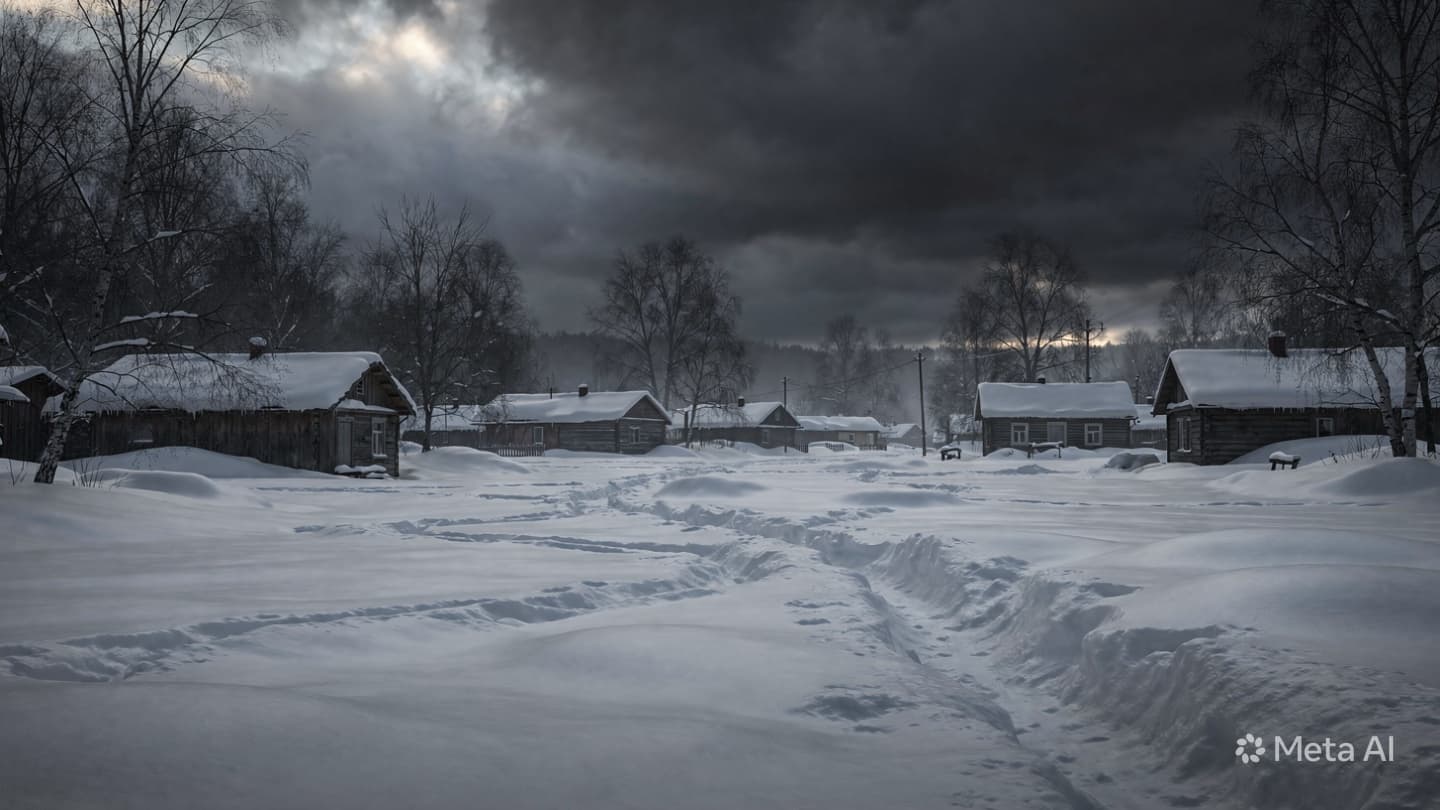
The rural districts, or soums, that dot the expansive backcountry have long existed in a geography defined by extreme distances and shifting weather. Here, small clusters of administrative buildings and homes form quiet outposts of human warmth amidst vast stretches of wilderness. The daily life of these remote settlements is typically quiet, centered around local trade, seasonal movements, and close-knit community gatherings. It is a world where safety relies heavily on preparation and an intimate understanding of the horizon.
That ordinary calm was violently shattered over the past week when a series of deadly weather incidents and natural disasters swept across the rural landscape. Without warning, severe blizzards and flash freezing conditions rolled out of the northern mountains, dropping visibility to near zero within minutes. The sharp, howling winds drove snow through the smallest gaps in windows and doors, trapping residents indoors and catching travelers completely exposed on open roads between distant settlements.
When the storms finally abated under a weak winter sun, the true human cost of the severe weather came to light across several soums. Multiple individuals lost their lives to exposure after becoming disoriented in the blinding whiteouts just a short distance from their homes, while others perished when their vehicles stalled on drifted roads. Emergency response teams rushed out into the drifts, trying desperately to reach isolated homesteads that had gone silent during the worst of the gale. For several victims, the rescue arrived far too late.
The tragic losses have sent shockwaves through the rural provinces, where communities are well-accustomed to winter challenges but rarely face such sudden, concentrated fatalities. Local police and emergency management teams quickly established search parameters, deploying tracked vehicles to navigate the deep snow and recover those stranded in the fields. Official reports from news agencies indicate that the sheer speed and intensity of the storm caught many seasoned countryside residents off guard, overriding standard safety measures.
In the days following the disasters, an oppressive quiet has settled over the affected soums, with many families choosing to remain clustered together indoors. The normal movement between rural outposts has slowed to a crawl, replaced by an anxious assessment of missing property and livestock. Small black ribbons of mourning have been placed on local administrative boards, serving as a quiet, visual testament to the collective grief gripping the districts. The physical reminders of the storm—buried vehicles and icy paths—remain as monuments to a week of terror.
Civil protection organizations operating within the rural regions have raised their voices to emphasize the need for upgraded early-warning communication networks. The national emergency agency noted with grave concern that traditional radio signals often fail to reach the most remote valley pockets during severe atmospheric disturbances. They urged the central government to invest heavily in satellite-based tracking and emergency shelters along major rural transit routes to prevent future loss of life during sudden environmental shifts.
The tragedies across the soums did not occur as an isolated event; they coincided with widespread infrastructure damage, including downed power lines that left entire villages in the dark. This broader context of isolation underscores the complex logistical hurdles facing emergency crews operating in the vast interior, where a simple mechanical breakdown can quickly become fatal. For the average resident of these outms, these environmental challenges manifest as unpredictable trials that test the absolute limits of rural endurance.
As the regional prosecutor's office and emergency bureaus finish documenting the casualties, the families of those who perished are left to navigate the heavy emotional weight of their losses. Memorial services were held quietly within local halls, with relatives comforting one another against the backdrop of an ongoing, biting cold. The local administrations have promised increased emergency training and better winter maintenance for the secondary rural roads. Yet, for those who look out at the vast, snowy horizon every morning, the sense of security feels as fragile as a thread.
Note: This article was published on BanxChange.com and is powered by the BXE Token on the XRP Ledger. For the latest articles and news, please visit BanxChange.com