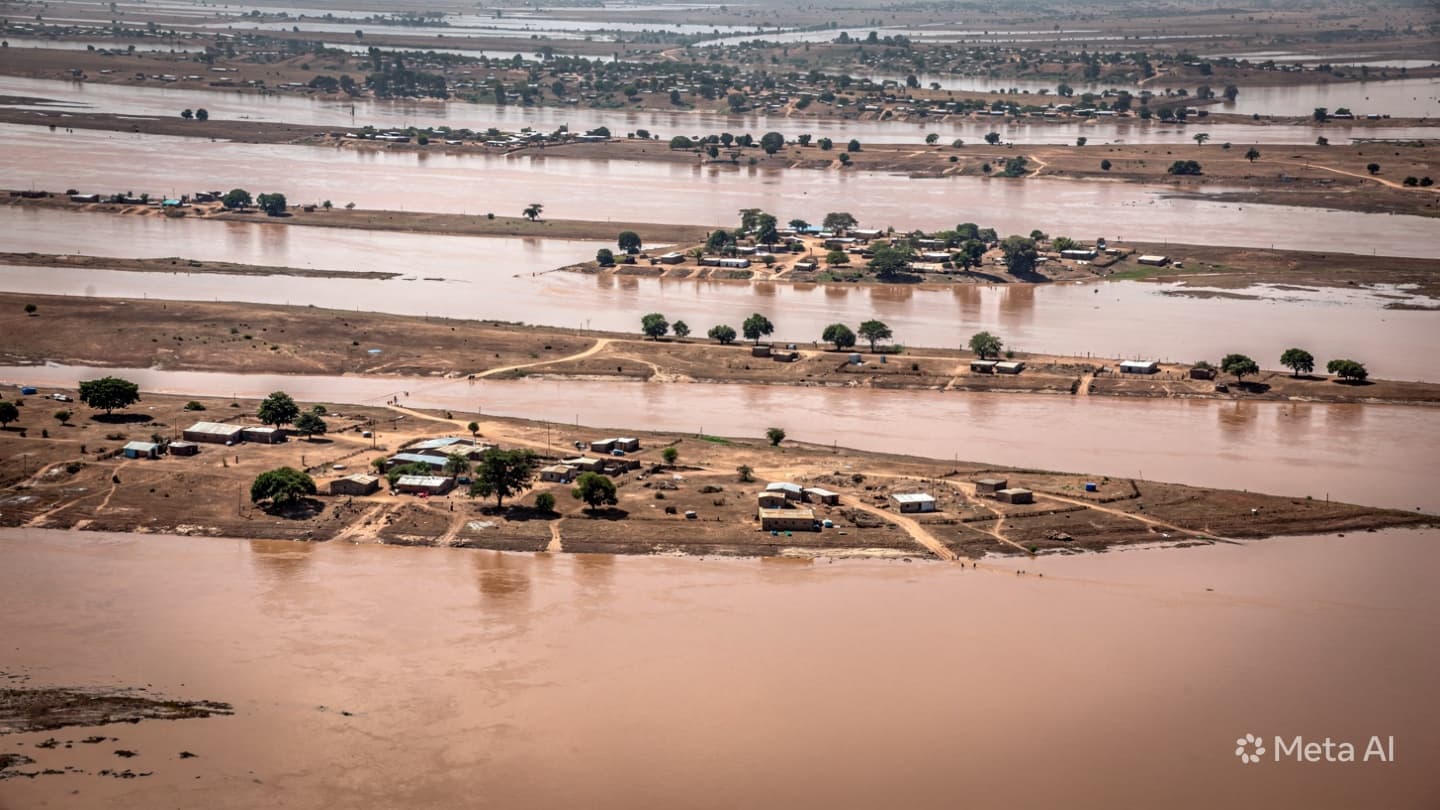
Belet Weyne, Somalia—Flash floods triggered by torrential seasonal rainfall swept through low-lying settlements along the Shabelle River early this morning, leaving five people confirmed dead. The sudden surge caught families off guard, forcing residents to abandon their homes as riverbanks breached at multiple points. Emergency rescue teams and local volunteers struggled to reach stranded individuals in submerged districts as the water levels rose with startling velocity.
The Shabelle River has been under a moderate flood-risk watch for the past week following weeks of heavy rain in the upper Ethiopian catchments. Local authorities reported that the current level at Belet Weyne surged past critical safety thresholds within a matter of hours. The rushing water inundated hundreds of hectares of farmland, destroying critical crops just days before the scheduled harvest.
Rescue workers recovered the bodies of three children and two adults from the mud-caked debris of a collapsed riverbank structure near the town center. Several other individuals remain reported as missing, with search operations currently hampered by the sheer speed of the flowing currents. Local elders described the flood as the most aggressive surge seen in this district since the start of the decade.
Thousands of families have fled to higher ground, leaving behind livestock and essential supplies in a desperate scramble for safety. Makeshift camps have begun to form along the arid ridges overlooking the river valley. Aid agencies are attempting to mobilize clean water and emergency shelter kits, but access to the most severely affected zones remains restricted by washed-out access roads.
Government officials and hydrological experts warned that downstream areas including Bulo Burte and Jowhar are at immediate risk of similar inundations. They urged residents living in weak riverbank zones to relocate immediately to avoid becoming trapped by the propagating floodwaters. The rainfall forecast indicates that the upper basin will continue to experience convective storms for the remainder of the week.
Public health workers expressed growing concern over the potential for waterborne disease outbreaks as stagnant floodwater mixes with local sanitation infrastructure. Mobile medical clinics are being diverted to the displacement camps to provide vaccinations and basic trauma care. The lack of adequate drainage systems in the newer settlements has turned several temporary encampments into hazardous zones.
International partners managing the water management projects stated that the current riverbanks are highly vulnerable to seepage and further breaches. Constant monitoring of the embankments is ongoing, but the volume of the incoming water has overwhelmed all existing flood control diversions. Heavy machinery is being positioned at critical gaps to reinforce the soil against further erosion.
The river remains at an elevated state with no signs of immediate recession. Local authorities are coordinating with regional air assets to provide aerial reconnaissance of the most isolated settlements.
Published by Banx Network. This article is part of the Banx decentralized media programme, powered by the BXE token on the XRP Ledger.