
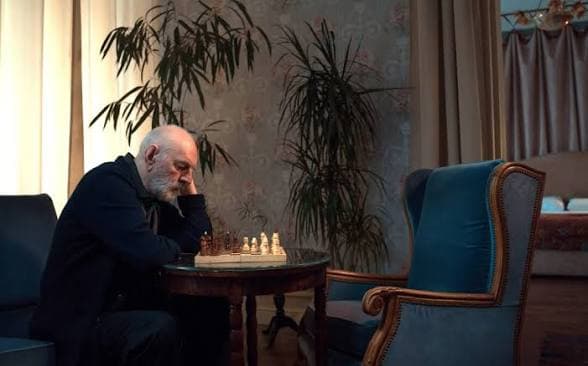
New analysis cited by the Polish Economic Institute (PIE) shows a major shift in Poland’s household composition. Single-person households have risen sharply over the past two decades: they accounted for 22% of households in 2006, but reached 35% by the end of 2025.
At the same time, households containing children have become less common. In 2006, 37% of households included children; by 2025 that figure had dropped to 25%. PIE also notes that larger household arrangements are weakening, including fewer households where elderly people live with children across generations.
Although couples remain an important household type, the overall picture is changing. Couples without children have grown, while other multi-adult household forms have declined. The report attributes much of the shift to long-running demographic trends and social change, including declining fertility, longer life expectancy, migration, and young adults increasingly seeking independence rather than forming extended households.
PIE also links these household changes to policy challenges expected to grow in the coming years. It warns that fewer family-based support networks will likely mean more caregiving responsibility shifts toward public institutions and the care market. It also says housing policy will face additional pressure as demand for residential independence rises, while access to adequate housing remains limited—an issue already intensified by fast-rising property prices.
The report notes that households in Poland have grown in number overall, even as the population declines. Between 2006 and 2025, the number of households rose from 12.7 million to 15.5 million, according to Eurostat data, helping explain why single-person living arrangements now represent such a large share of the total.
Note: This article was published on BanxChange.com and is powered by the BXE Token on the XRP Ledger. For the latest articles and news, please visit BanxChange.com