
Key Highlights
- Rome's airports may suspend the EU's EES border system to avoid chaos.
- Chief executive Marco Troncone expresses serious concerns about summer travel.
- Technical issues have already led to long queues and missed flights.
Rome’s airports are raising alarms about the potential suspension of the European Union’s new digital border system for non-EU travelers, known as the Entry/Exit System (EES). With the summer travel season approaching, officials warn that the system, which requires biometric data collection, could lead to significant disruptions if not addressed promptly. Marco Troncone, the chief executive of Aeroporti di Roma, which operates both Fiumicino and Ciampino airports, expressed his concerns in a recent interview with the Financial Times, stating he is “very worried for the summer,” rating his anxiety as “eight or nine” on a scale of one to ten.
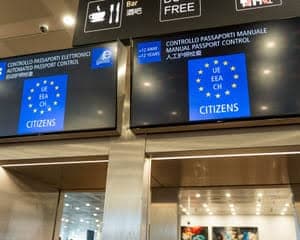
The EES mandates that non-EU citizens, including British travelers, have their fingerprints and facial images recorded upon their first entry into the EU. Although the system became fully operational in mid-April following several delays, it has already faced technical difficulties that have resulted in long queues at airports. Reports indicate that some travelers have missed their flights due to these delays, raising questions about the system's readiness for the peak travel months ahead.
Troncone highlighted that the current EES process is not compatible with the expected surge in passenger volumes this summer. He suggested that to prevent chaos, authorities might need to “open the valve” by allowing travelers to bypass the biometric enrollment temporarily. This proposal reflects a growing concern among airport officials and the travel industry about the potential for severe waiting times during the busy summer season.
In addition to Troncone's warnings, other representatives from the airport trade body have indicated that any decision to suspend the EES would ultimately rest with EU governments rather than the airports themselves. Critics of the system argue that politicians should not assume it is functioning smoothly, especially given the current technical issues. The European Commission has acknowledged that there is “built-in flexibility” within the EES framework, which could allow for certain functions to be paused if necessary to alleviate pressure on airports.
As the summer travel season approaches, the stakes are high for both travelers and airport operators. With millions expected to travel through Rome's airports, the need for a reliable and efficient border control system is paramount. The ongoing discussions about the EES highlight the delicate balance between security measures and the practicalities of managing high passenger volumes during peak travel times.
The situation remains fluid, and stakeholders are closely monitoring developments. As the EU and airport authorities navigate these challenges, the focus will be on ensuring that travelers can move through airports smoothly and efficiently, without the risk of significant delays or disruptions.
Published by Banx Network. This article is part of the Banx decentralized media programme, powered by the BXE token on the XRP Ledger.



