
Key Highlights
- Seized Oil:The UK is considering selling oil from a Russian tanker intercepted in June.
- Market Value:The oil's estimated market value is around £35 million.
- Support for Ukraine:Proceeds may be used to aid Ukraine's war effort.
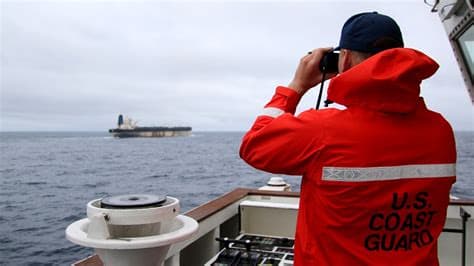
The UK government is actively exploring the sale of oil seized from a Russian tanker, known as the Smyrtos, which was intercepted by Royal Marines in the English Channel on June 14. This initiative aims to raise funds to support Ukraine amid its ongoing conflict with Russia. Prime Minister Sir Keir Starmer is reportedly evaluating various options for handling the captured cargo, which is part of a broader strategy to disrupt Russia's illicit oil trade.
The Smyrtos is believed to be part of Russia's shadow fleet, a network of vessels that evade Western sanctions by secretly transporting sanctioned Russian fuel. Since its seizure, the tanker has been held under UK control near Weymouth, with its captain, Ajay Pant, facing charges of sanctions evasion. The UK government asserts that the oil onboard now legally belongs to the UK, opening the door for potential monetization.
Officials estimate that the seized oil amounts to approximately 98,000 to 100,000 tons, with a market value of around £35 million. Discussions among ministers are reportedly in the early stages, focusing on how to utilize the proceeds from the sale. One proposal includes transferring the funds directly to Ukraine to bolster its war effort, while another suggests using the money to finance military equipment destined for the front lines.
An alternative idea under consideration is to refine the oil within the UK for domestic energy needs. However, the logistics of this plan remain uncertain, particularly regarding the implications of public ownership of the oil. The UK government's actions reflect a significant escalation in efforts to counteract Russia's ability to generate revenue through its oil exports, which have continued despite international sanctions.
Analysts have noted that the shadow fleet plays a crucial role in facilitating Russia's oil trade, allowing the country to circumvent restrictions by transporting oil through third-party nations that do not enforce the same sanctions. The UK’s decision to sell the seized oil could represent a pivotal moment in the ongoing economic warfare against Russia, potentially impacting the financial resources available to support its military operations.
As the situation develops, the UK government is likely to face scrutiny regarding the effectiveness and ethical implications of its actions. The outcome of these discussions will not only influence the financial landscape of the conflict but also shape the international community's response to Russia's ongoing aggression.
Published by Banx Network. This article is part of the Banx decentralized media programme, powered by the BXE token on the XRP Ledger.



