
Key Highlights
- Serbia will return the remains of a man linked to Ante Pavelić.
- The decision is expected to reignite historical tensions in the Balkans.
- Officials emphasize procedural compliance in the repatriation process.
The Serbian government has announced its decision to return the remains of a man identified as the attempted assassin of Ante Pavelić, the notorious Croatian fascist leader. This move is anticipated to reignite historical tensions in the Balkans, a region still grappling with the legacies of its tumultuous past.
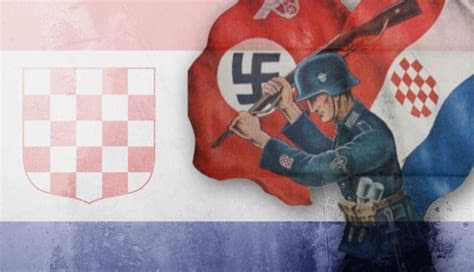
Ante Pavelić was the leader of the Ustaše regime during World War II, which was responsible for numerous atrocities against Serbs, Jews, and Roma. The return of the remains is seen by some as a politically charged act, potentially evoking memories of the violent history that shaped the former Yugoslavia. The Serbian authorities have stated that the decision to repatriate the remains follows all necessary legal protocols, framing it as a matter of respect for the deceased and cooperation in handling remains.
Critics, however, argue that the return of the remains could symbolize a troubling endorsement of fascist legacies in the region. The Ustaše regime, under Pavelić, was known for its brutal policies and has left a lasting scar on the collective memory of the Balkans. The decision to return the remains may be viewed by some as an attempt to reconcile with a controversial past, while others see it as a potential provocation that could exacerbate existing ethnic tensions.
The Serbian government has not provided specific details regarding the timeline for the return or the location where the remains will be buried. This lack of clarity has led to speculation about the motivations behind the decision. Some analysts suggest that the move could be part of a broader strategy to improve Serbia's international image, particularly in light of ongoing discussions about regional cooperation and reconciliation.
As the situation unfolds, it remains to be seen how this decision will impact relations between Serbia and Croatia, as well as the broader Balkan region. The historical context surrounding Pavelić and the Ustaše regime continues to evoke strong emotions, and the return of the remains is likely to reignite debates about national identity, memory, and the legacies of war.
In conclusion, the Serbian government's decision to return the remains of the attempted assassin of Ante Pavelić is a complex issue that intertwines legal, historical, and political dimensions. As the region continues to navigate its past, this development serves as a reminder of the enduring impact of history on contemporary relations.
Published by Banx Network. This article is part of the Banx decentralized media programme, powered by the BXE token on the XRP Ledger.



