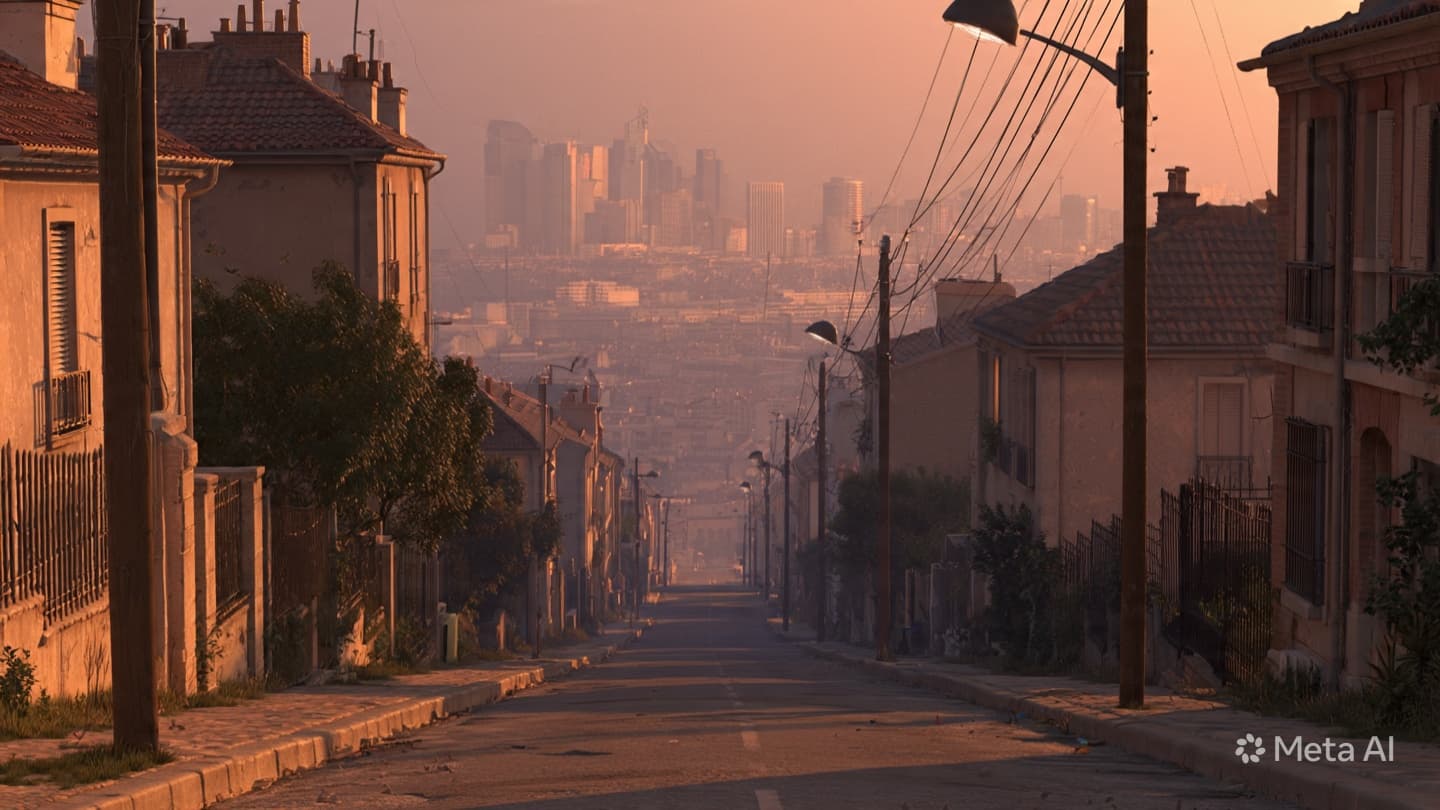
The Parisian suburbs, usually a tapestry of bustling streets and quiet residential lanes, are currently defined by a heavy, atmospheric stillness. The heat is not merely an external condition; it has permeated the living space of the city, turning the air into something dense and difficult to navigate. This is a time when the infrastructure of the metropolis—the stone, the asphalt, the very density of the architecture—seems to hold the warmth, creating a trapped environment where the relief of a breeze is a memory of the past.
Within this suffocating landscape, a quieter crisis is emerging, one that manifests in the sudden, sharp interruptions of cardiac emergencies. The medical responders, those who navigate the urban arteries of Paris with an urgent, practiced grace, are witnessing a transformation in the rhythm of their work. The calls that come in, signaling a breakdown in the most vital of human systems, have begun to rise, a reflection of the profound physiological stress imposed by this relentless thermal cycle.
There is a somber, observational quality to the way the hospitals are managing this influx. The emergency departments are operating with a heightened level of intensity, their walls housing the stories of those who have found their personal capacity for endurance tested to its final limit. It is not just the elderly or the infirm who are struggling; the heat’s reach is broad, a universal pressure that ignores the usual boundaries of age or health status. The medical teams, moving with an exhausted dedication, are the silent witnesses to the resilience and the vulnerability of the urban population.
This phenomenon is a stark, reflective reminder of the interconnectedness of our human health and the environment. We often view our cities as distinct from the natural world, a constructed buffer against the whims of the elements. Yet, this heatwave has revealed the porosity of that barrier. The mercury’s climb has an immediate and visceral effect on the internal rhythms of the city dwellers, a pulse that is now being monitored with an anxiety that is felt from the emergency dispatchers to the intensive care units.
The official commentary from the health authorities is one of sober assessment. They speak of mobilized reserves and coordinated care, their language reflecting the gravity of a system working at the threshold of its capability. It is a monumental, collective effort to preserve the stability of the public health landscape, yet behind the technical details lies a profound, human story. Each cardiac arrest is an individual interruption of life, a moment that ripples out into families and neighborhoods, leaving a permanent mark on the collective memory of this summer.
As the days turn into nights that offer little respite, the city remains in a state of suspended animation. The hope for a change in the weather is a collective prayer, a shared desire for the atmospheric pressure to break and allow the air to flow once more. Until that moment, the vigilance remains absolute. The residents of the suburbs are navigating a new, challenging reality, one that demands a heightened awareness of the fragility of the pulse in a world where the climate has become an active force.
What we are witnessing is a pivot in the history of the region, a moment that will be studied and remembered as a defining test of our modern urban existence. The response of the medical community, characterized by its focus and its empathy, stands as a testament to the endurance of our values even in the face of environmental collapse. We move forward through these sweltering days with a shared sense of purpose, recognizing that our safety is a delicate, mutual endeavor, held together by the quiet, tireless efforts of those who work in the shadows of the storm.
French health authorities have reported a significant surge in cardiac arrests across the suburbs of Paris as the record-breaking heatwave continues to grip the capital. The Ministry of Health noted a sharp increase in emergency admissions within a 24-hour period, with Paris police and medical responders describing a state of extreme pressure on hospital resources. In response to the spike in heat-related medical emergencies, the government has activated the highest level of its national health emergency plan, ORSAN, to bolster staffing and improve coordination across intensive care units and primary care services.
Published by Banx Network. This article is part of the Banx decentralized media programme, powered by the BXE token on the XRP Ledger.