
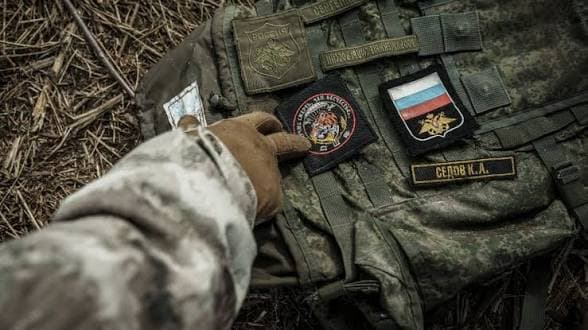
Key Highlights
- Average Survival Time:Russian soldiers reportedly survive only 20 to 35 minutes on the front lines due to drone attacks.
- Source of Claim:The estimate originates from pro-war bloggers and has been widely discussed in military circles.
- Impact of Drone Warfare:The rise of drone technology is reshaping battlefield tactics and increasing casualty rates.
New reporting on the ongoing conflict in Ukraine reveals a stark estimate circulating among Russian military channels: some Russian assault troops are surviving on average only 20 to 35 minutes after reaching certain front-line sections heavily populated by drones. This alarming statistic has been attributed to pro-war bloggers on platforms known as “Z-channels,” and has gained traction in international discussions about the war.
The claim highlights the transformative impact of drone warfare on modern combat. According to an Oxford historian cited in the reporting, the figure underscores how drones have created what is referred to as a “kill zone.” In these zones, exposed troops are quickly detected and targeted, leading to rapid casualties. The integration of drone technology into military operations has fundamentally altered the dynamics of warfare, making traditional infantry tactics increasingly perilous.
As drone usage intensifies, both Ukrainian and Russian forces are adapting their strategies. The need to minimize the time soldiers spend in vulnerable positions has led to a shift towards more technology-driven approaches for surveillance and targeting. This evolution in tactics reflects a broader trend in military operations, where the emphasis is placed on leveraging technology to enhance situational awareness and reduce exposure to enemy fire.
The reported survival times serve as a grim indicator of the lethal environment on the front lines, particularly for infantry units that are frequently exposed to drone strikes. While the figure has not been independently verified, it aligns with the narratives emerging from Russian military discussions regarding casualty rates and survival challenges faced by troops.
In addition to the immediate implications for soldiers on the ground, the context surrounding these survival estimates reveals a larger picture of attrition and manpower strain affecting both sides of the conflict. The ongoing drone-driven casualties are contributing to a pressing need for new tactics and recruitment measures, as both Ukrainian and Russian forces grapple with the realities of modern warfare.
As the conflict continues, the role of drones is likely to expand further, influencing not only battlefield tactics but also the overall strategy employed by military leaders. The evolving nature of warfare in Ukraine serves as a case study for how technology can reshape combat dynamics and impact the lives of soldiers in unprecedented ways.
Published by Banx Network. This article is part of the Banx decentralized media programme, powered by the BXE token on the XRP Ledger.



