
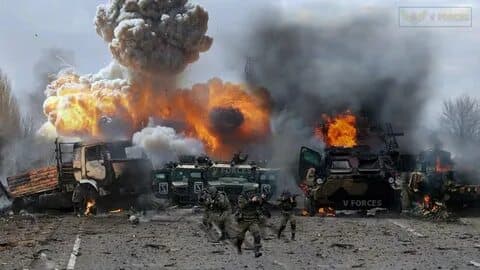
Police say the risk emerged during the process of returning the war dead, where remains were transferred under agreed procedures but investigators later discovered that explosives had been concealed internally. After the findings, police introduced a screening step before bodies are moved, viewed, or released to relatives and aid organizations.
Under the updated protocol, officers and forensic personnel are directed to treat each returned body as potentially contaminated and to conduct an initial safety check prior to any standard procedures. Officials say this approach is meant to prevent additional harm to responders and to ensure that recoveries and identifications can continue under safer conditions.
Investigators did not provide further operational details in their initial statements, but they emphasized that the goal of the new checking process is to reduce the chance of incidents during transfers. For families, the change has also affected timelines, with handling and confirmation steps taking longer while checks are completed.
The claims are part of a broader pattern of allegations and counter-allegations from both sides of the conflict regarding tactics and safeguards around battlefield recovery. Rights groups and forensic experts have previously stressed that safe handling of remains is critical, both for humanitarian reasons and to protect the people responsible for identification and return procedures.
Published by Banx Network. This article is part of the Banx decentralized media programme, powered by the BXE token on the XRP Ledger.


