
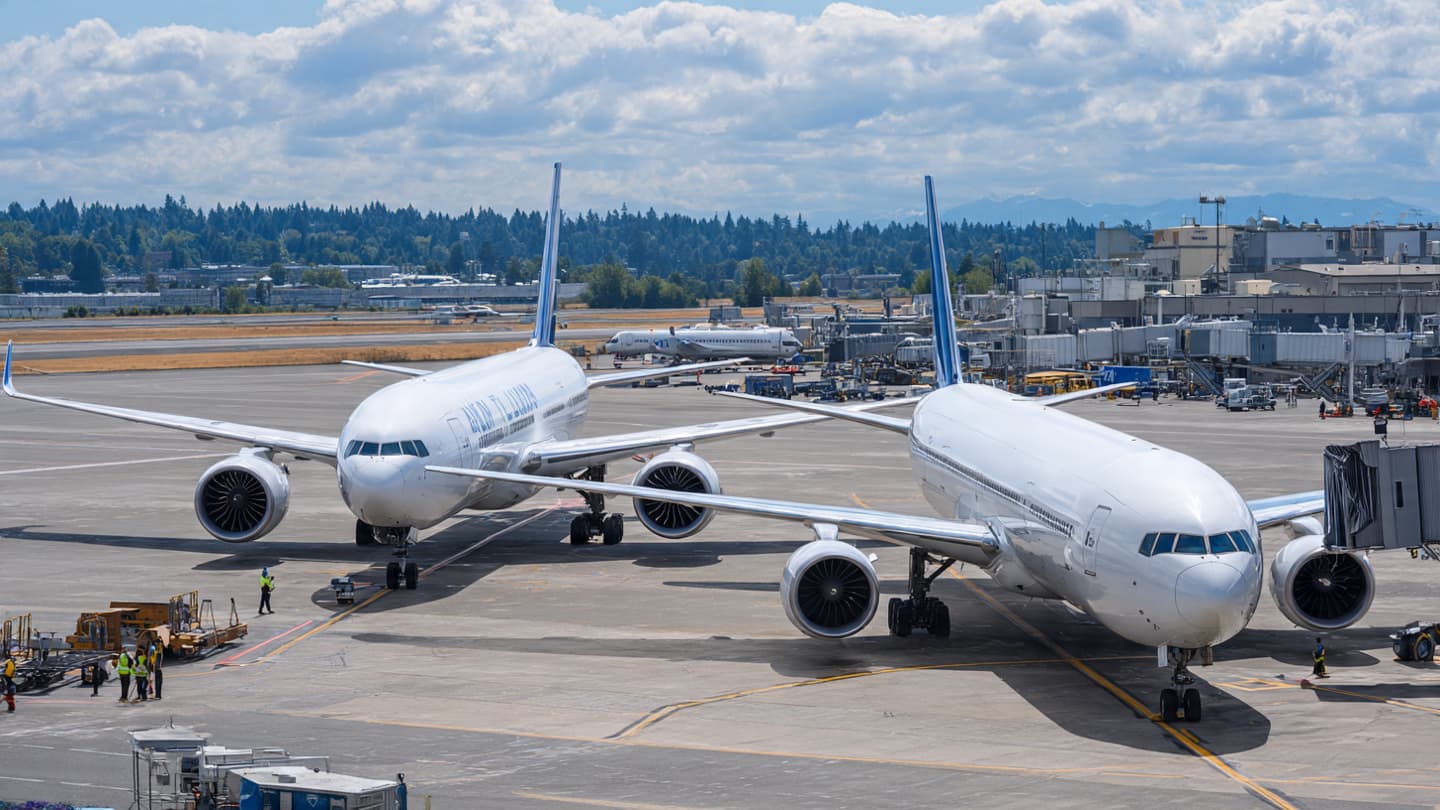
Every generation of aircraft reflects the technology and priorities of its era. Over time, advances in engineering, materials, and design gradually reshape what is possible in aviation. Today, airlines around the world are entering another phase of transformation as fleet modernization becomes a central focus of long-term strategy. Airbus has identified this trend as one of the most important drivers of future aircraft demand, arguing that replacement needs will play a role nearly as significant as market expansion itself. Many carriers continue operating aircraft that were introduced years or even decades ago. While these planes often remain reliable, newer models offer meaningful advantages in fuel efficiency, maintenance costs, passenger comfort, and environmental performance. As competition intensifies and sustainability goals become more ambitious, airlines are increasingly evaluating whether modernization can deliver both operational and financial benefits. Fuel efficiency remains a particularly important consideration. Aviation is a cost-sensitive industry, and fuel expenses represent a major portion of airline operating budgets. Aircraft designed with advanced engines and aerodynamic improvements can significantly reduce fuel consumption, creating savings that accumulate over years of service. These efficiencies become especially valuable during periods of fluctuating energy prices. Environmental objectives are also influencing purchasing decisions. Governments, investors, and consumers are paying closer attention to emissions associated with air travel. Airlines are responding by seeking technologies capable of supporting sustainability initiatives while maintaining growth. Airbus argues that newer aircraft can help bridge this gap, offering improved environmental performance compared to many older models currently in operation. Passenger expectations have evolved as well. Travelers increasingly value comfort, connectivity, and reliability. Modern aircraft often feature quieter cabins, enhanced onboard systems, and improved overall travel experiences. Airlines view these attributes as competitive advantages in markets where customer satisfaction can influence long-term success. The modernization trend carries implications for the broader aerospace ecosystem. Manufacturers, suppliers, maintenance providers, and technology companies all benefit from investment in new fleets. As airlines place orders and retire older aircraft, activity across the supply chain tends to increase. This creates opportunities not only for major manufacturers such as Airbus but also for countless businesses supporting the industry. Analysts note that fleet renewal cycles are influenced by multiple factors, including financing conditions, regulatory requirements, and market demand. While the pace of replacement varies among regions and carriers, the underlying trend remains significant. Many airlines are expected to continue investing in modernization as part of their long-term planning strategies. Airbus's outlook suggests that the future of aviation growth will be shaped not only by the number of new travelers entering the market but also by the replacement of existing fleets. Together, these forces are expected to generate substantial demand for aircraft over the coming decades. In that sense, modernization represents both a response to present challenges and an investment in the industry's future.
AI Image Disclaimer
Graphics are AI-generated and intended for representation, not reality.
Source Check Sources identified before writing:
Reuters Bloomberg AFP Financial Times Aviation Week
Note: This article was published on BanxChange.com and is powered by the BXE Token on the XRP Ledger. For the latest articles and news, please visit BanxChange.com