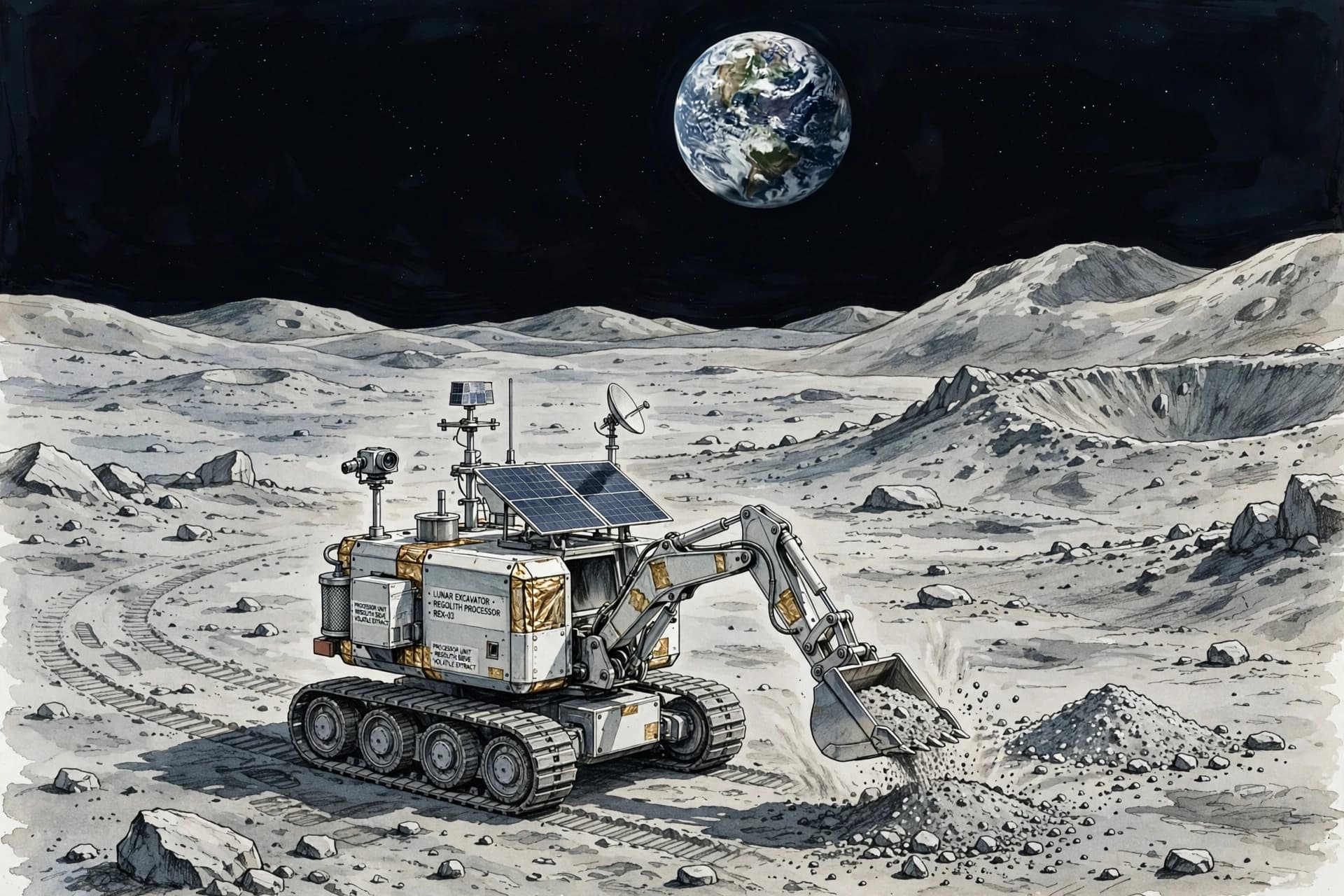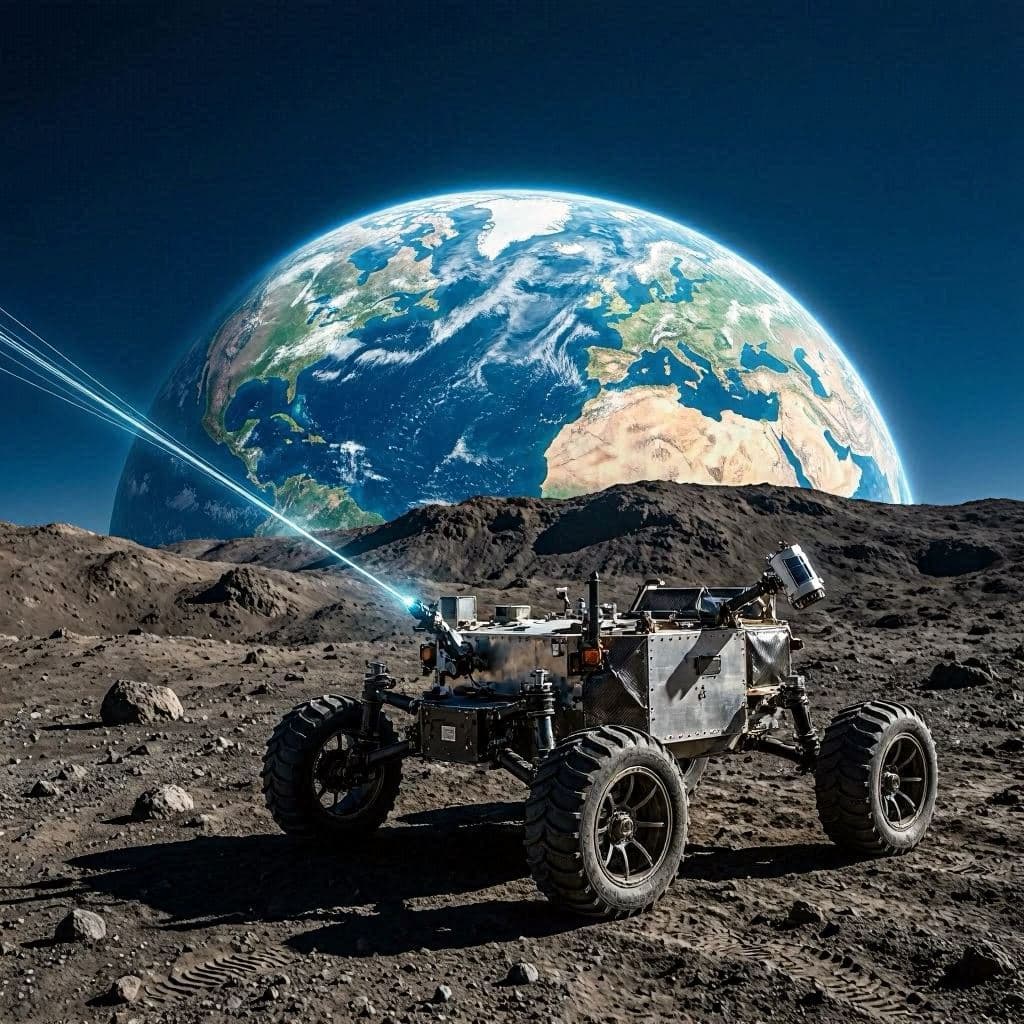
In the lexicon of space exploration, names carry weight. Curiosity and Perseverance are not just labels for robotic explorers; they are virtues that define the human spirit’s quest for knowledge. These rovers have trundled across the red dust of Mars, sending back images and data that have reshaped our understanding of the Red Planet. Now, in a surprising twist of strategic planning, NASA is considering a bold move: sending a rover similar to these Martian veterans to the Moon. This proposal bridges two distinct chapters of exploration, merging the lessons of Mars with the immediacy of lunar return.
The idea stems from the need to test technologies and operational procedures in a environment that is challenging yet closer to home. The Moon, with its harsh radiation, extreme temperature swings, and abrasive regolith, serves as an ideal proving ground. A rover derived from the successful Mars designs would bring proven reliability to the lunar surface, reducing risk for future Artemis missions. It is a pragmatic approach, leveraging past successes to secure future ambitions.
However, the lunar environment is fundamentally different from Mars. The lack of atmosphere means no wind to smooth the soil, and the gravity is one-sixth of Earth’s, affecting mobility and traction. Engineers would need to adapt the rover’s wheels, suspension, and power systems to handle these unique conditions. The "Promise" in the headline refers to the potential for this hybrid mission to unlock new capabilities, such as autonomous navigation in permanently shadowed regions where water ice may exist.
This potential mission also highlights the shifting focus of NASA’s planetary science division. While Mars remains a primary target for the search for ancient life, the Moon is becoming a hub for resource utilization and sustained presence. A rover on the Moon could scout landing sites, analyze soil composition for construction materials, and even assist in the setup of infrastructure for human habitats. It transforms the rover from a purely scientific instrument into a partner in colonization.
Public interest in such a mission would likely be high, given the familiarity and affection for the Mars rovers. Seeing a cousin of Perseverance exploring the Sea of Tranquility or the South Pole would create a powerful narrative connection between the two worlds. It reminds us that our exploration of the solar system is interconnected, with each mission building upon the last.
Critics might argue that resources should be focused entirely on Mars or entirely on the Moon, rather than splitting efforts. Yet, history shows that cross-pollination of technology often yields the greatest innovations. The challenges of Mars have driven advancements in autonomy and durability that are directly applicable to lunar exploration. This proposed mission is a testament to the efficiency of shared knowledge.
As NASA evaluates the feasibility of this plan, the space community watches with keen interest. The decision will depend on budget constraints, technical readiness, and strategic priorities. But the mere possibility sparks the imagination, inviting us to envision a future where robots roam both the red and gray worlds, paving the way for human footsteps.
In the end, the potential journey of a Mars-style rover to the Moon is a symbol of continuity. It suggests that our exploration is not a series of isolated events, but a cohesive journey outward. Whether it lands on the lunar surface or remains a concept, the idea reinforces the values of curiosity and perseverance that drive us to explore the unknown.
AI Image Disclaimer: Please note that any images associated with this article are AI-generated interpretations intended for illustrative purposes only and do not represent actual mission renders or hardware.
Sources: NASA SpaceNews The Planetary Society Ars Technica IEEE Spectrum
Published by Banx Network. This article is part of the Banx decentralized media programme, powered by the BXE token on the XRP Ledger.