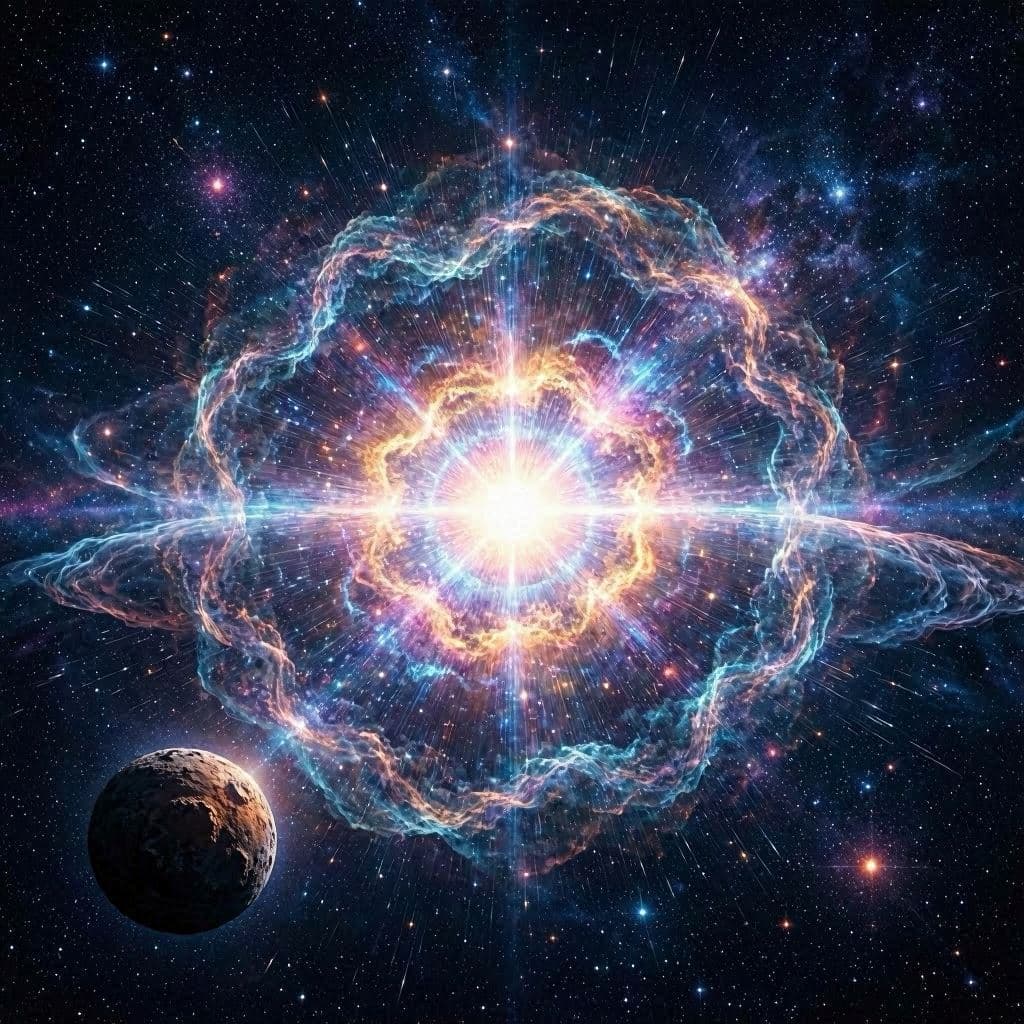
In the silent expanse of the cosmos, violence often occurs on a scale that defies human comprehension. Recently, astronomers witnessed such an event: an enormous explosion in deep space, detected mere minutes after it occurred. This rapid response marks a significant achievement in observational astronomy, allowing scientists to capture the early stages of a cosmic cataclysm that would otherwise remain hidden in the distant past. It is a moment of clarity in the vast darkness.
The explosion, likely a gamma-ray burst or a supernova, released energy equivalent to billions of suns. Gamma-ray bursts are the most luminous electromagnetic events known in the universe, often associated with the collapse of massive stars or the merger of neutron stars. By detecting the signal so quickly, researchers were able to point telescopes at the source before the initial brightness faded, gathering crucial data about the physics of the explosion.
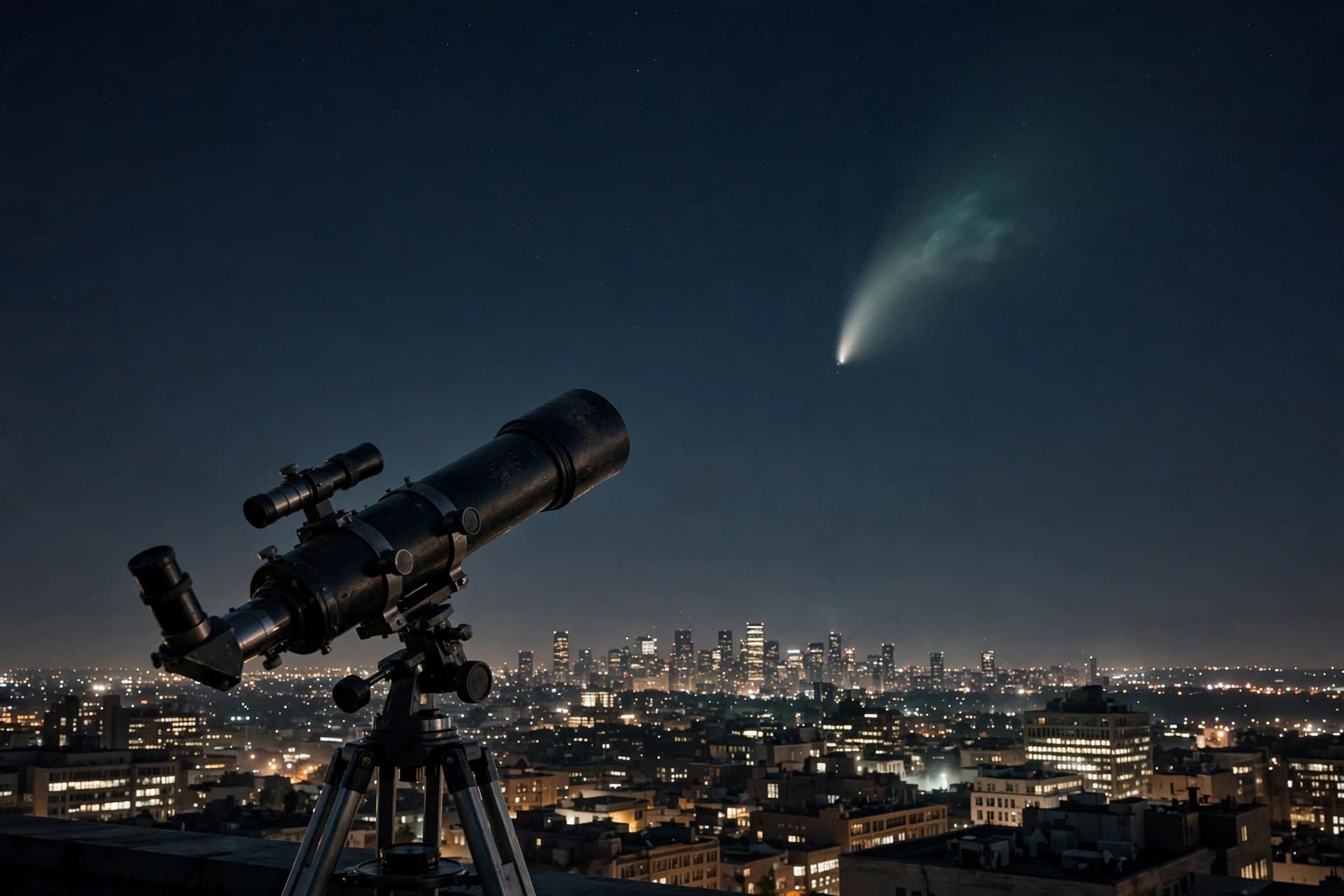
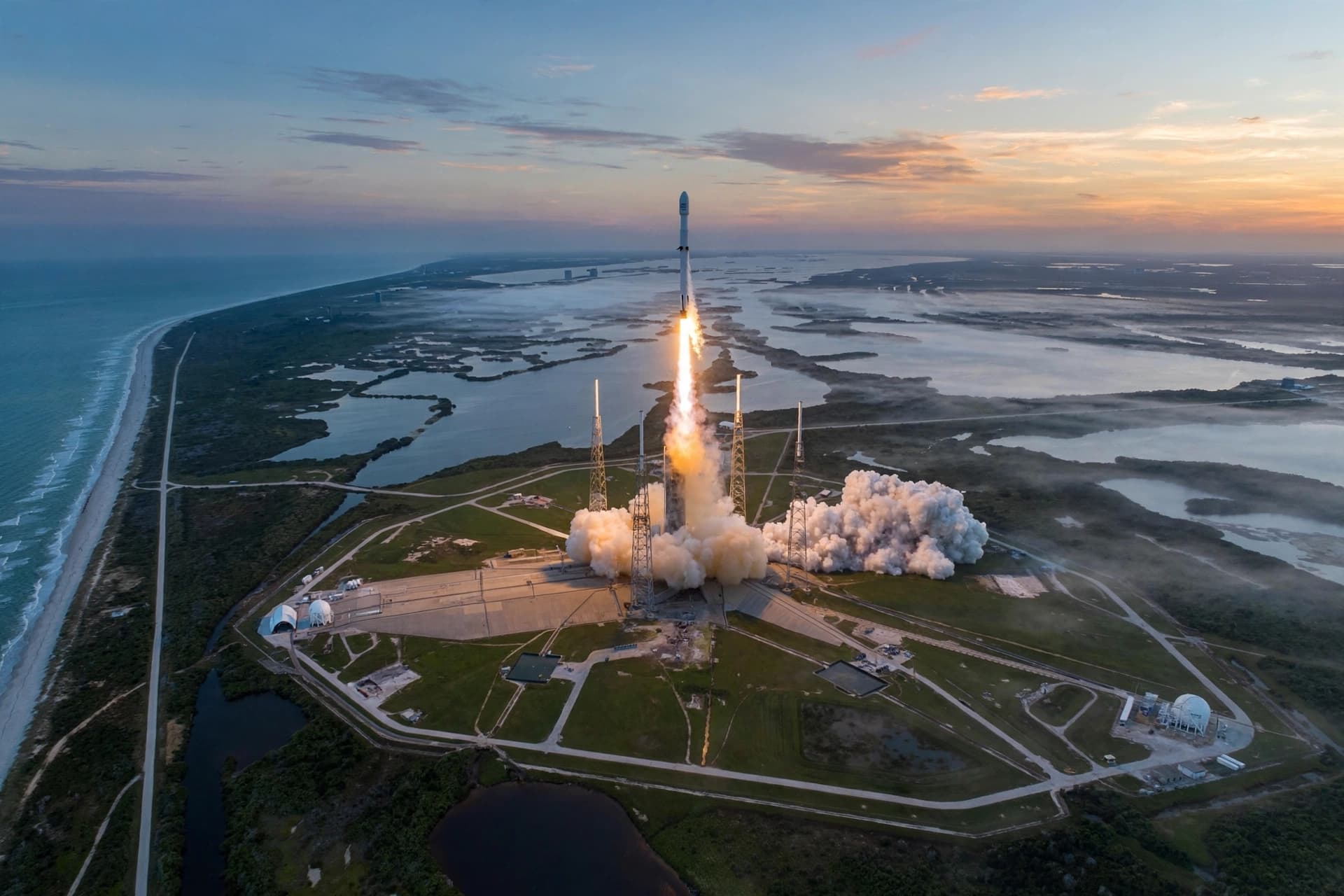
This speed is made possible by a network of satellites and ground-based observatories that communicate in real-time. When a satellite detects a high-energy flash, it automatically alerts other instruments around the world, creating a coordinated response. This system, known as multi-messenger astronomy, allows scientists to observe the same event across different wavelengths, from radio waves to gamma rays. It is a symphony of technology working in harmony to unravel the mysteries of the universe.
The data collected from this event will help refine models of stellar evolution and black hole formation. By studying the light curve and spectral features, astronomers can determine the composition of the exploding star and the environment in which it lived. Each explosion is a unique fingerprint, offering clues about the life cycles of stars and the distribution of matter in the cosmos. It is a lesson in the transient nature of existence.
For the public, the idea of catching an explosion "in the act" is thrilling. It brings the distant universe closer, making it feel less abstract and more immediate. These events remind us that the cosmos is dynamic and ever-changing, filled with phenomena that challenge our imagination. They inspire a sense of wonder and curiosity about our place in the grand scheme of things.
The rapid detection also has implications for understanding the origins of heavy elements. Supernovae and neutron star mergers are believed to be the primary sources of gold, platinum, and other rare metals. By observing these explosions, scientists can trace the cosmic alchemy that created the materials we value on Earth. It connects the stellar death to terrestrial life in a profound way.
As technology improves, the ability to detect and analyze these events will only grow. Future missions aim to capture even earlier signals, potentially revealing the moments before the explosion occurs. This proactive approach promises to deepen our understanding of the most extreme environments in the universe. It is a frontier of discovery that continues to expand.
In the end, this captured explosion is more than a scientific datum; it is a testament to human ingenuity. It shows that by working together and leveraging advanced technology, we can witness the most violent and beautiful events in the universe. The cosmos may be vast, but our reach is extending, bringing its secrets within our grasp.
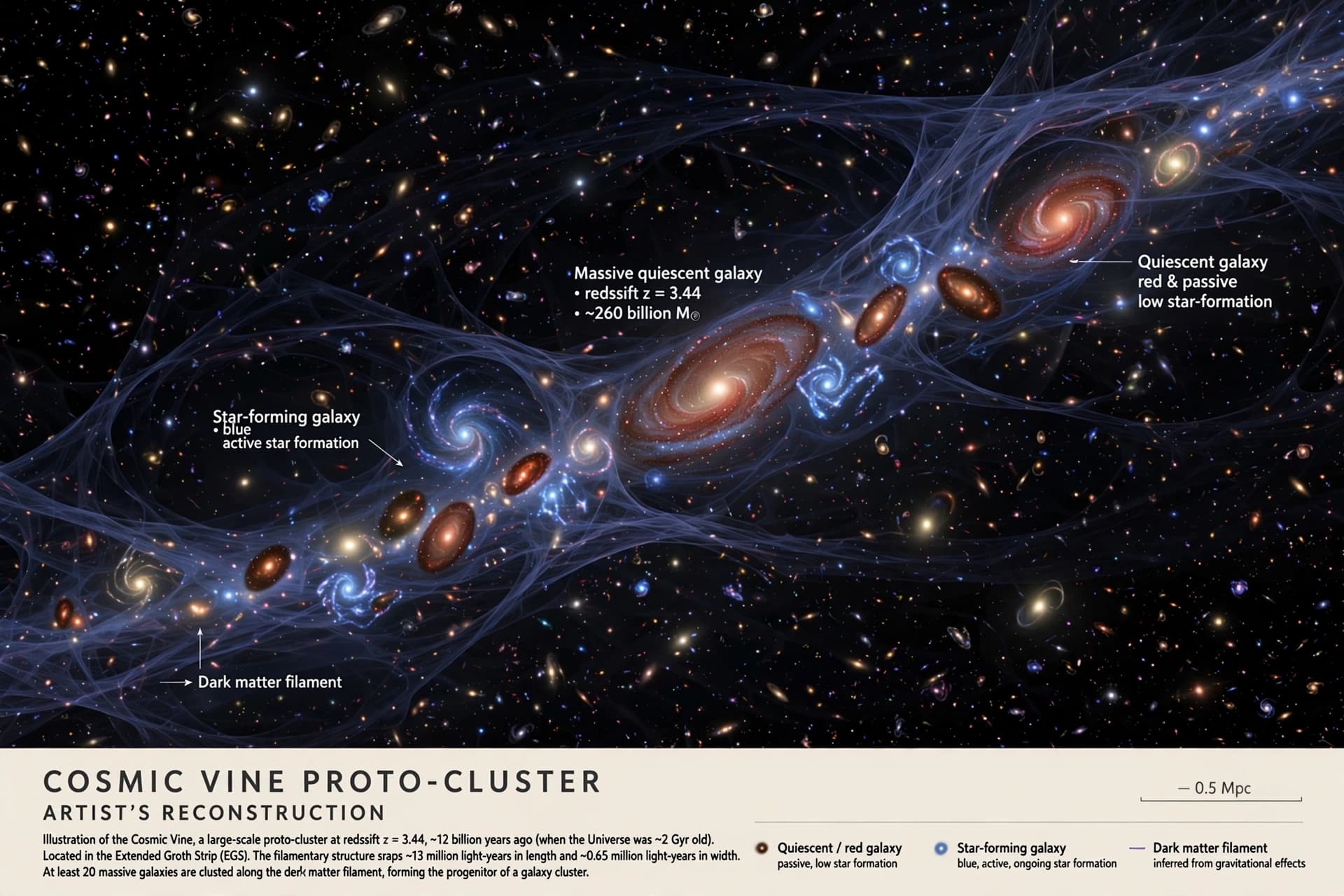
AI Image Disclaimer: Please note that any images associated with this article are AI-generated interpretations intended for illustrative purposes only and do not represent actual photographs of the specific explosion.
Sources: Space.com NASA European Space Agency (ESA) Astrobiology Magazine Phys.org
Published by Banx Network. This article is part of the Banx decentralized media programme, powered by the BXE token on the XRP Ledger.