
Key Highlights
- Putin acknowledges fuel shortages in Russia due to Ukrainian drone strikes.
- The situation has led to increased queues at fuel stations in some regions.
- Crimea officials declare an emergency related to fuel and power shortages.
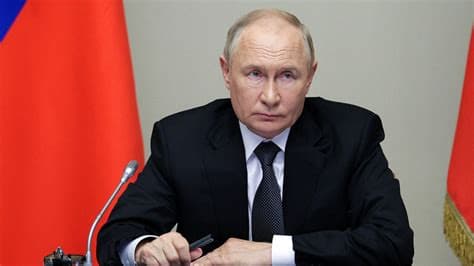
President Vladimir Putin has publicly acknowledged that Russia is experiencing fuel supply problems as a direct consequence of repeated Ukrainian drone strikes targeting oil and energy infrastructure. In a recent interview published by the Kremlin, Putin stated that these strikes have resulted in a “certain shortage” of fuel, although he emphasized that the situation is not critical at this time.
Putin's remarks come amid a backdrop of escalating tensions between Russia and Ukraine, with the Russian leader noting that the attacks on critical energy facilities are “obvious[ly]” creating logistical challenges. He pointed out that Russian authorities are currently monitoring fuel constraints and that the government’s primary objectives include bolstering air defenses and ensuring adequate fuel supplies, particularly for the annexed region of Crimea.
The impact of these disruptions has been felt across various regions in Russia, with reports indicating that some areas are experiencing long queues at fuel stations. The Kremlin-linked media has highlighted efforts by local authorities and the energy industry to manage fuel distribution and availability in response to the ongoing crisis. This situation underscores the broader implications of the conflict on Russia's domestic energy security.
In Crimea, officials have declared a state of emergency due to the fuel shortages and power cuts, attributing these issues to the Ukrainian strikes on logistics and oil facilities that are essential for supporting the region. The declaration reflects the severity of the situation, as local authorities scramble to address the immediate needs of residents amid the ongoing conflict.
On the Ukrainian side, officials have framed their attacks on Russian energy infrastructure as a form of retaliation for the ongoing Russian strikes on Ukrainian civilian and energy targets. This tit-for-tat dynamic highlights the escalating nature of the conflict, with both sides suffering significant consequences as the war continues.
As the situation develops, the Russian government faces increasing pressure to stabilize fuel supplies and address the logistical challenges posed by the ongoing conflict. The acknowledgment of these fuel shortages by Putin marks a significant moment in the ongoing narrative of the war, as it reveals the vulnerabilities within Russia's energy infrastructure and the broader implications for its domestic stability.
Published by Banx Network. This article is part of the Banx decentralized media programme, powered by the BXE token on the XRP Ledger.



