
Key Highlights
- Patient admitted to Queen Elizabeth University Hospital for Ebola testing.
- Public Health Scotland confirms no current Ebola cases in Scotland.
- Risk to the public remains low, with established health protocols in place.
A patient is currently undergoing testing for a suspected Ebola virus infection after being admitted to the Queen Elizabeth University Hospital (QEUH) in Glasgow early Tuesday morning. Health officials have stated that the tests are being conducted to determine whether the individual has contracted the disease, which has raised concerns given the ongoing outbreak in parts of Africa.
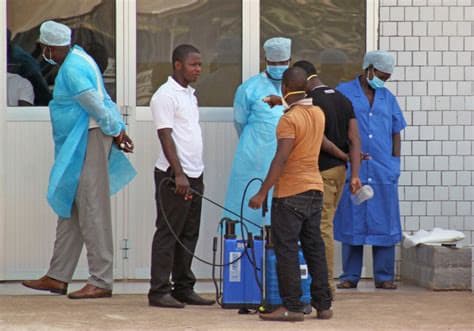
Public Health Scotland has reassured the public that there are no confirmed cases of Ebola in Scotland at this time. They emphasized that the risk to the general public remains low, and they are closely monitoring the situation. The agency is collaborating with the UK Health Security Agency (UKHSA) to evaluate potential routes of entry for travelers coming from regions affected by Ebola, particularly the Democratic Republic of Congo and Uganda, where the outbreak has been declared a public health emergency by the World Health Organization.
In response to the situation, Public Health Scotland has activated established protocols for assessing and testing individuals arriving from affected areas. This includes contact tracing measures, where necessary, to ensure that anyone who may have been in contact with the suspected case receives clinical assessment and precautionary testing. The UKHSA has also initiated the Returning Workers Scheme, aimed at protecting and monitoring individuals who may travel to these regions for work and could be at risk of exposure.
Health officials have confirmed that there are no ward closures at the QEUH, and they have not advised patients or visitors to stay away from the hospital. They have also clarified that Ebola is not transmitted through the air like influenza or COVID-19, meaning it does not spread simply by being in proximity to an infected person. This information is crucial in alleviating public concern and ensuring that the hospital remains a safe environment for patients and visitors alike.
The latest developments come as the World Health Organization continues to monitor the Ebola outbreak in the Democratic Republic of Congo and Uganda, where the situation has escalated to a public health emergency. The WHO's declaration underscores the importance of vigilance and preparedness in managing potential cases that may arise in other countries, including the UK.
As the situation evolves, health officials are committed to keeping the public informed and ensuring that appropriate measures are in place to protect public health. The community is encouraged to remain aware of the symptoms of Ebola and to seek medical attention if they have concerns about potential exposure.
Published by Banx Network. This article is part of the Banx decentralized media programme, powered by the BXE token on the XRP Ledger.



