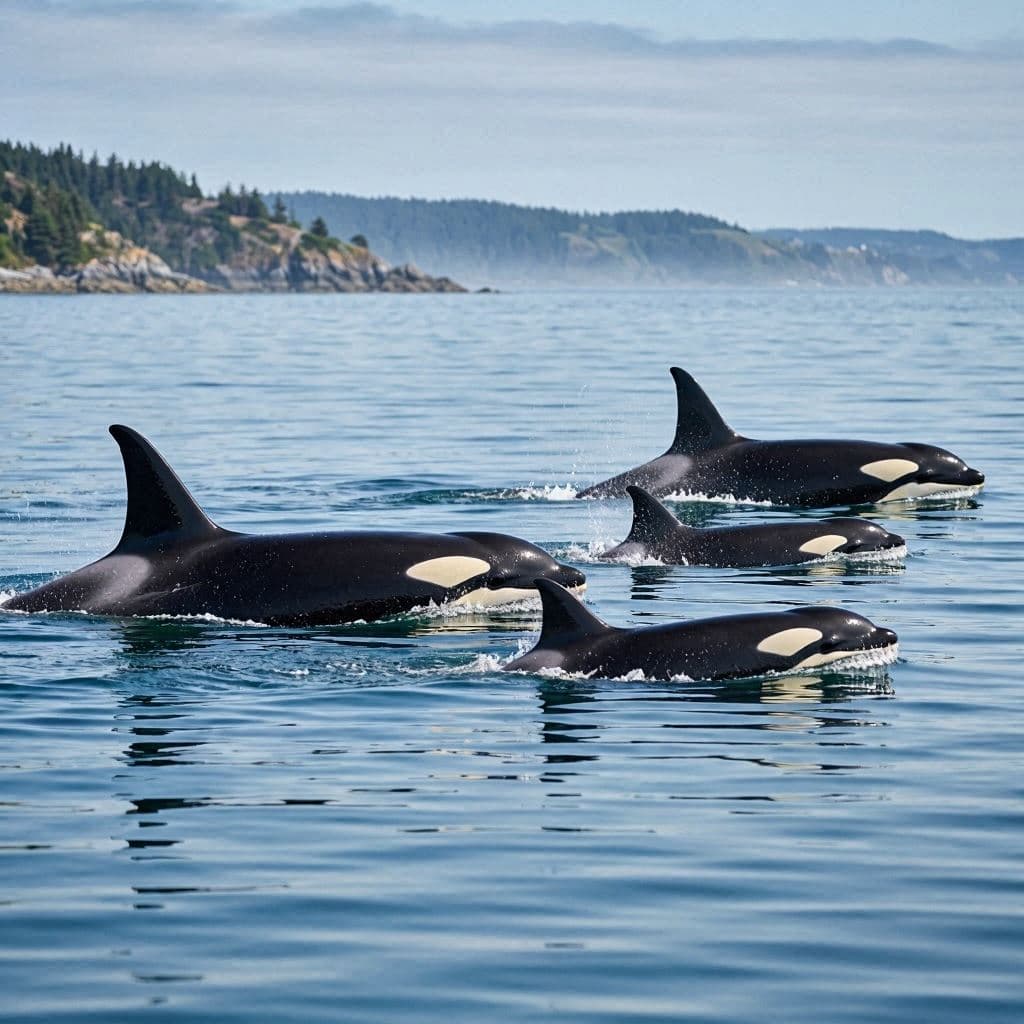
In the deep, cold waters off Canada’s West Coast, a small group of Southern Resident killer whales swims against the tide of extinction. With only 75 individuals remaining, their survival hangs in a delicate balance, threatened by noise, pollution, and dwindling food sources. Now, experts warn that a proposed new pipeline along the coast could prove devastating to their fragile population. The prospect of increased tanker traffic and industrial activity raises profound questions about our priorities and the cost of progress. For those who cherish these iconic creatures, the threat is not just ecological but emotional.
The debate over the pipeline highlights the tension between economic ambition and environmental stewardship. It invites us to consider what we are willing to sacrifice for energy infrastructure and whether alternative paths exist.
Body: The Southern Residents, a distinct population of orcas, have been listed as endangered for years. Their primary prey, Chinook salmon, has also declined due to habitat loss and climate change. The addition of a new pipeline, which would facilitate the transport of oil or other resources, introduces further risks. Increased ship traffic raises the likelihood of vessel strikes and underwater noise, which interferes with the whales’ ability to hunt and communicate.
Environmental scientists and marine biologists have voiced strong opposition to the project. They argue that the cumulative impacts of existing stressors, combined with new industrial pressures, could push the population past a point of no return. The "devastating" label used by experts reflects the severity of their concern, based on decades of research into whale behavior and ecosystem health.
Proponents of the pipeline emphasize its economic benefits, including job creation and energy security. They argue that modern safety standards and mitigation measures can minimize environmental risks. However, critics contend that no amount of regulation can fully eliminate the dangers posed to such a small and vulnerable population. The margin for error is nonexistent.
Indigenous leaders, whose traditional territories overlap with the whales’ habitat, have also expressed deep concern. For many First Nations, the orca is a sacred relative and a symbol of cultural identity. Protecting the whales is seen as a moral obligation and a treaty right. Their voices add a powerful dimension to the opposition, grounding the debate in spiritual and historical context.
The political landscape is complex, with federal and provincial governments navigating competing interests. While some officials support the pipeline for its economic potential, others are hesitant due to environmental commitments and international obligations. The decision-making process is fraught with legal challenges and public scrutiny.
Public opinion is divided, reflecting broader societal debates about climate change and resource development. Activists have organized protests and campaigns to raise awareness, drawing attention to the plight of the whales. Social media has amplified their message, creating a global audience for a local issue.
Scientific models suggest that even a small increase in mortality rates could have catastrophic effects on the population. Recovery plans require not just halting new threats but actively restoring salmon habitats and reducing ocean noise. The pipeline proposal complicates these efforts, potentially diverting resources and attention.
As the debate continues, the whales swim on, unaware of the political storms raging above the surface. Their survival depends on the choices we make today. Will we prioritize short-term gains or long-term sustainability? The answer will define our relationship with the natural world.
Closing: The threat of a new West Coast pipeline to the remaining 75 Southern Resident killer whales underscores the urgent need for careful environmental assessment. It invites a deeper consideration of how we balance economic needs with the preservation of biodiversity.
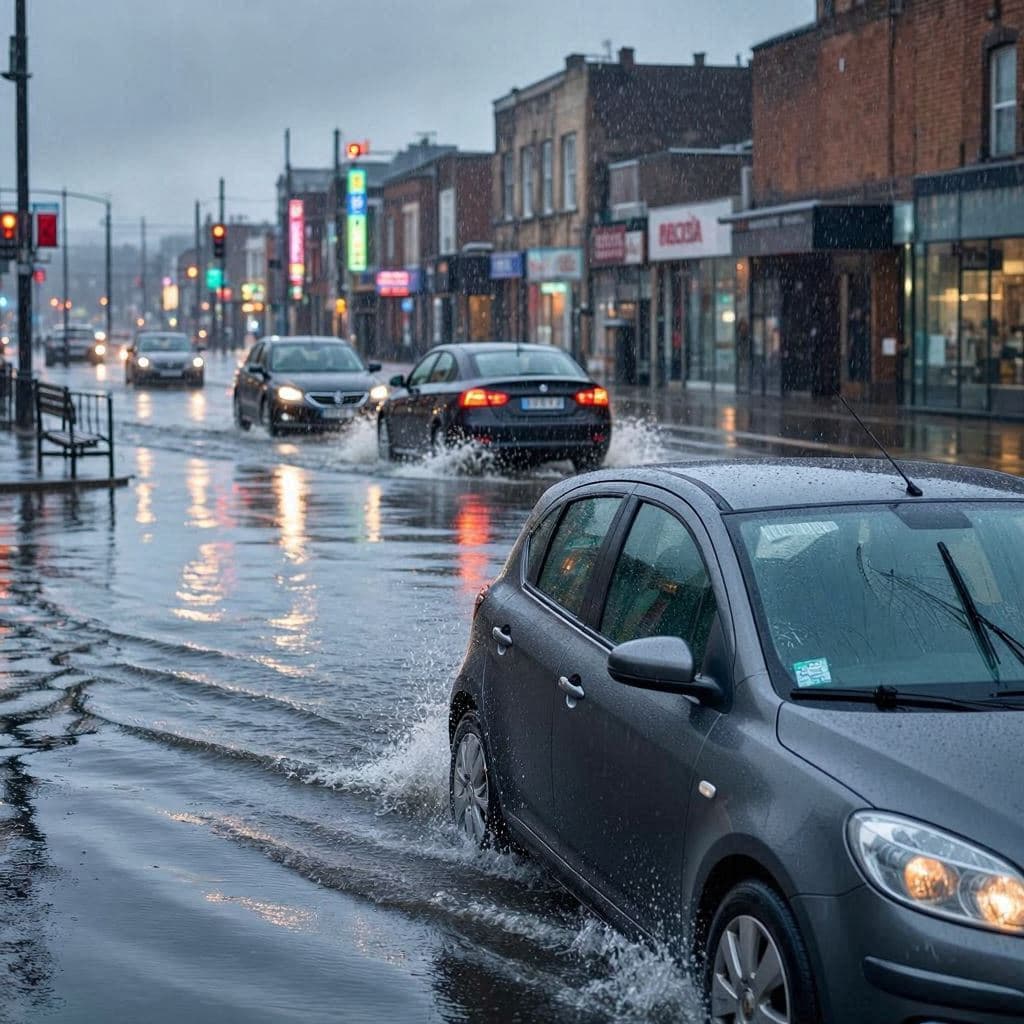
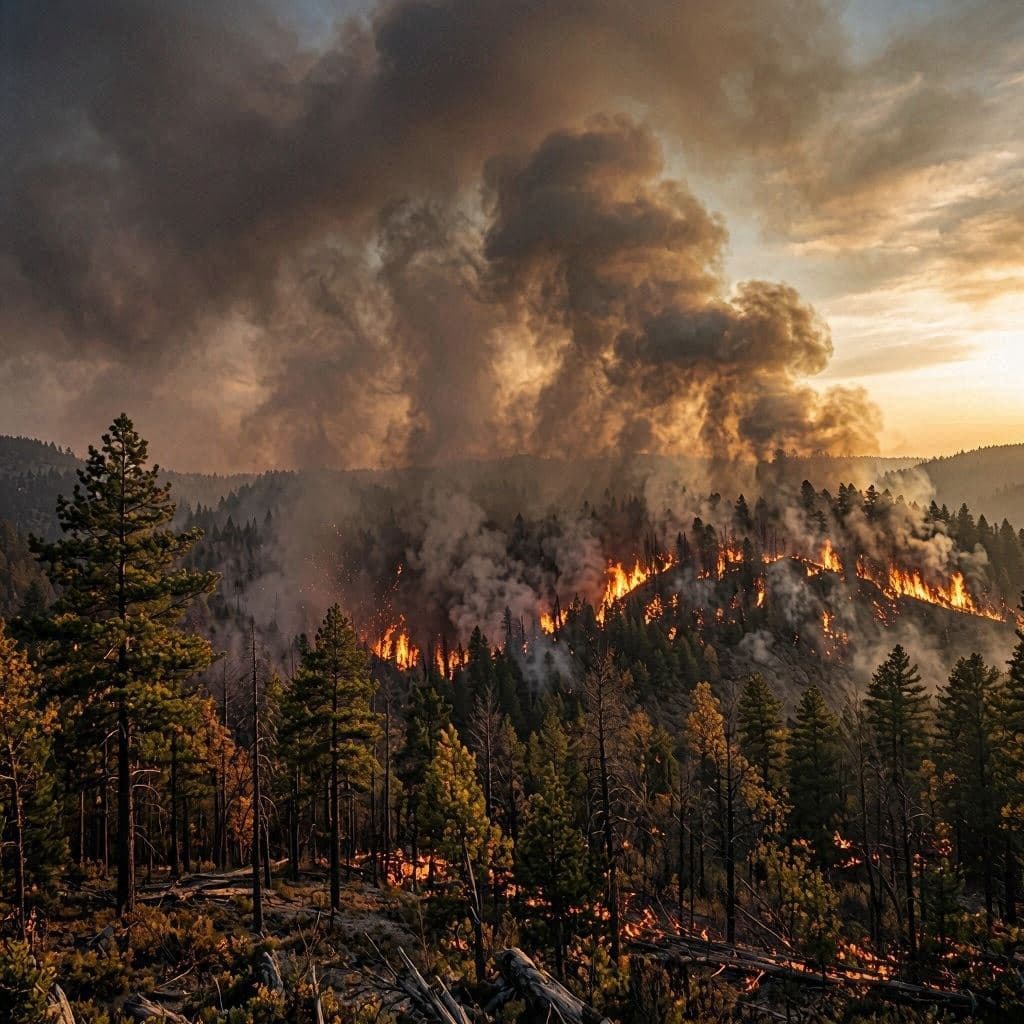
AI Image Disclaimer: Images used in this report are AI-generated depictions intended to illustrate the themes of marine conservation and industrial impact.
Sources: CBC News Yahoo News Unpublished.ca HeadTopics
Note: This article was published on BanxChange.com and is powered by the BXE Token on the XRP Ledger. For the latest articles and news, please visit BanxChange.com