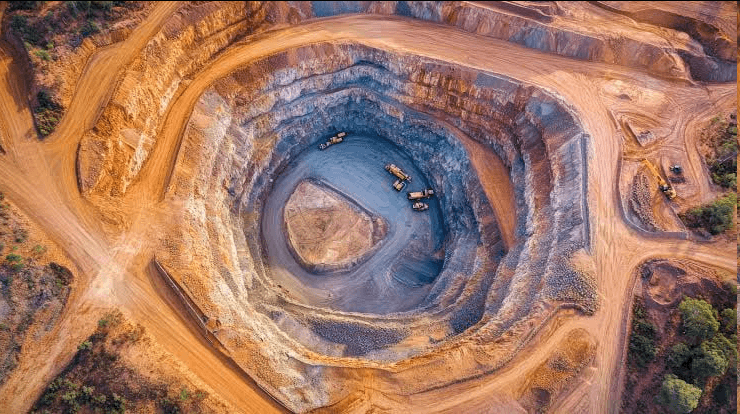
Nigeria has attracted attention following reports of plans to expand rare earth processing capacity through a major industrial project. Rare earth elements are increasingly important in global technology, renewable energy, defense systems, and advanced manufacturing. These minerals are used in products including electric vehicle components, electronics, batteries, and specialized equipment. As demand grows worldwide, countries are seeking greater control over supply chains and processing capabilities. A new processing facility could represent a strategic opportunity for Nigeria by creating industrial capacity, attracting investment, and supporting economic development. Processing minerals locally allows countries to capture more value compared with only exporting raw materials. The global rare earth market has historically been concentrated among a limited number of major producers and processors. Governments around the world have been working to diversify supply sources due to concerns about dependency and future demand. Nigeria’s mineral resources have long been viewed as an area with significant economic potential. Developing infrastructure, technology, and skilled workforce capabilities will be important factors in turning natural resources into sustainable industries. The growth of rare earth industries is also connected to the transition toward cleaner technologies. Electric vehicles, renewable energy systems, and digital infrastructure all require materials that depend on reliable supply chains. The project reflects broader efforts across Africa to expand industrial capacity and participate more actively in global technology markets. As demand for critical minerals continues rising, countries with resources and processing ambitions may play a larger role in shaping the future of global manufacturing.
Published by Banx Network. This article is part of the Banx decentralized media programme, powered by the BXE token on the XRP Ledger.