There are moments in international affairs when the noise of confrontation briefly gives way to something quieter. Like a sea that settles after days of strong winds, diplomacy occasionally creates a pause that allows nations to reconsider their course. The recent implementation of a ceasefire agreement between the United States and Iran reflects one of those moments, drawing global attention to a region that has long stood at the center of geopolitical uncertainty.
The agreement marks an important step after a period of heightened tensions that affected not only the two countries involved but also broader international markets and security concerns. Officials from both sides have confirmed the initial implementation of measures designed to reduce the risk of direct confrontation and stabilize regional conditions.
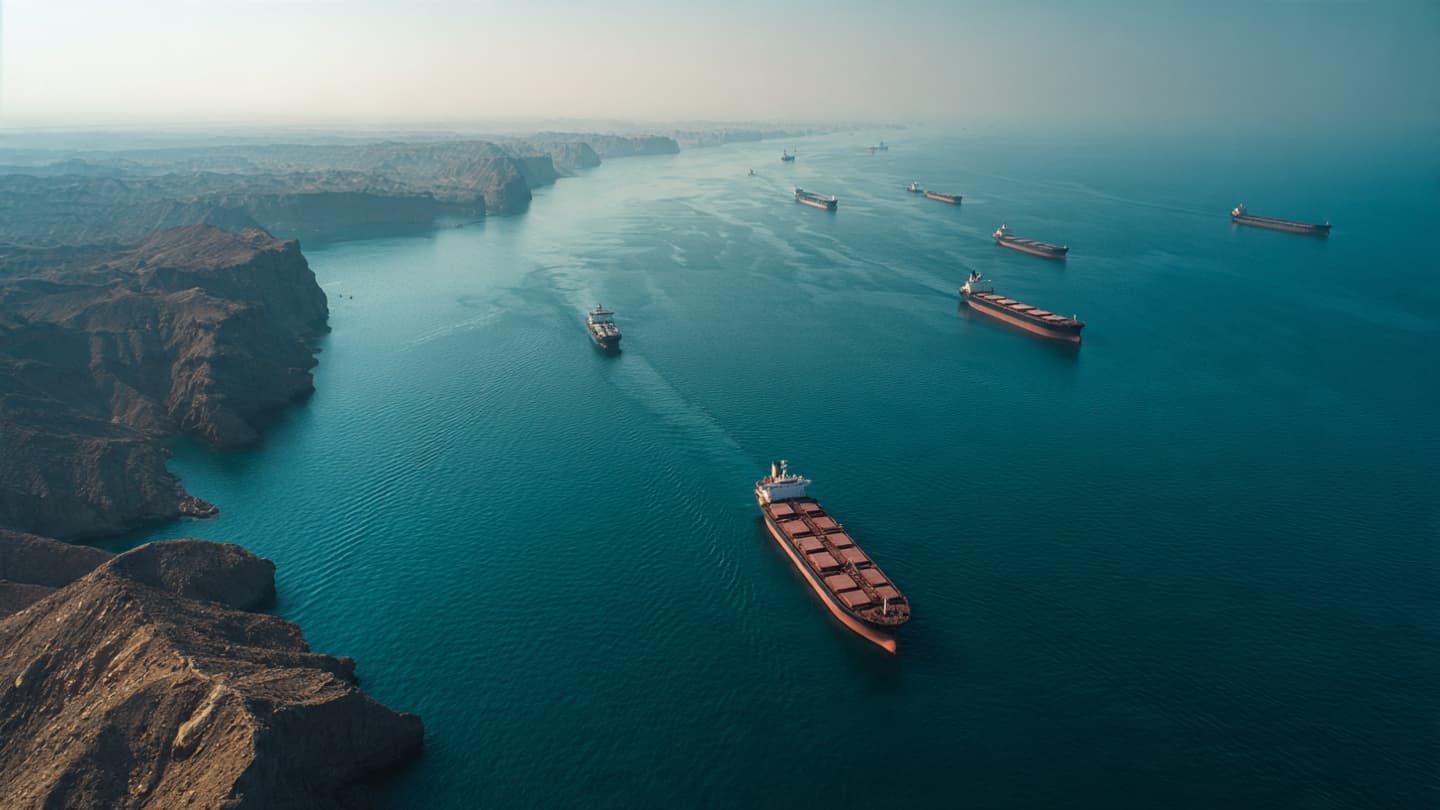
One of the most closely watched developments involves maritime activity around the Strait of Hormuz, one of the world's most strategically important shipping routes. The waterway serves as a critical passage for global energy supplies, making stability in the area a matter of international significance.
Markets responded cautiously to the announcement. Analysts noted that while the agreement has reduced immediate concerns regarding disruptions to shipping and energy exports, investors continue to monitor whether both sides will maintain their commitments over time.
Diplomatic observers have emphasized that the ceasefire does not resolve all outstanding disputes. Long-standing disagreements involving regional security, sanctions, and broader foreign policy issues remain subjects of ongoing negotiations.
Regional governments have largely welcomed the reduction in tensions. Several countries in the Middle East have expressed hope that the agreement could create additional opportunities for dialogue and reduce the risk of escalation that might affect neighboring states.
International organizations have also encouraged continued engagement between Washington and Tehran. Many diplomatic efforts now focus on transforming temporary confidence-building measures into more durable arrangements capable of supporting long-term regional stability.
While challenges remain, the current development demonstrates that even deeply entrenched disputes can produce moments of cooperation when political leaders choose engagement over confrontation. Such progress may be incremental, but it remains significant in a region where stability carries global consequences.
For now, the ceasefire represents an important diplomatic milestone. Whether it evolves into a broader framework for cooperation will depend on future negotiations, adherence to commitments, and the willingness of both sides to continue pursuing dialogue.
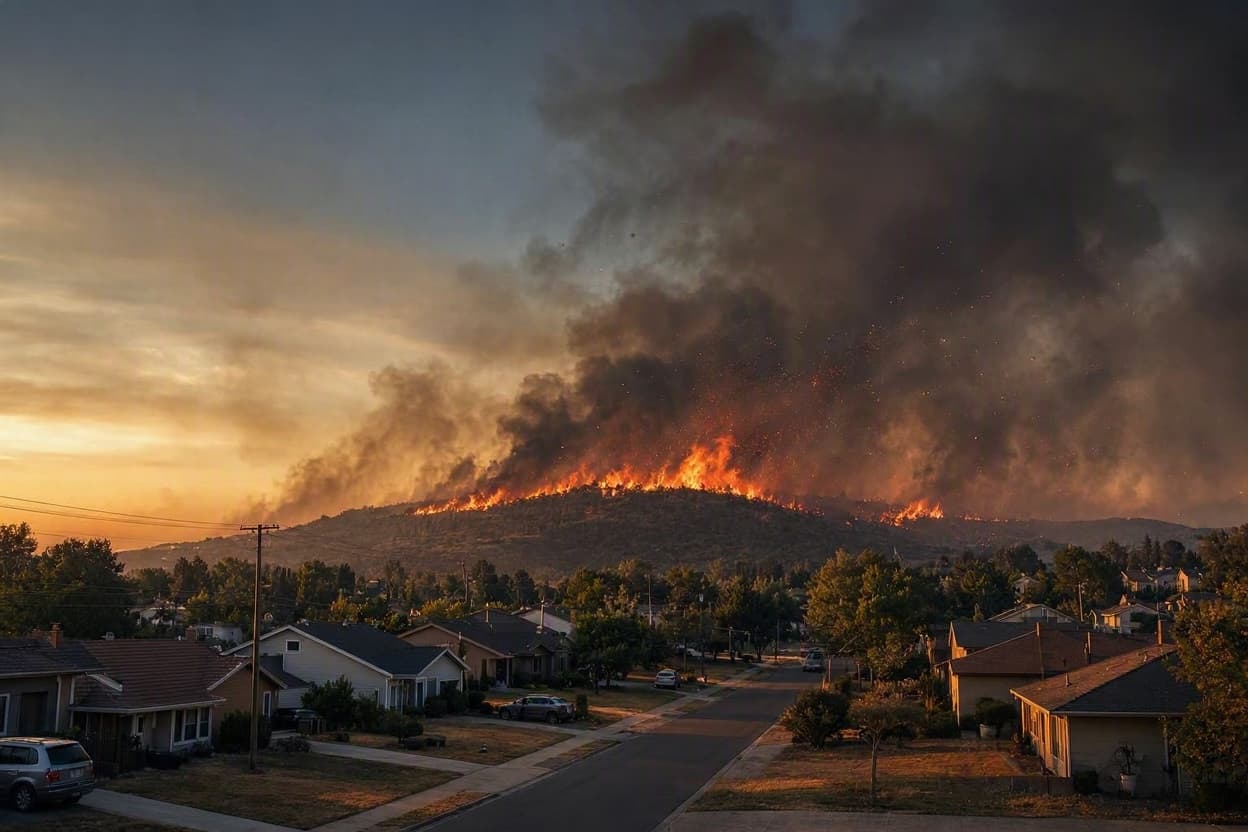
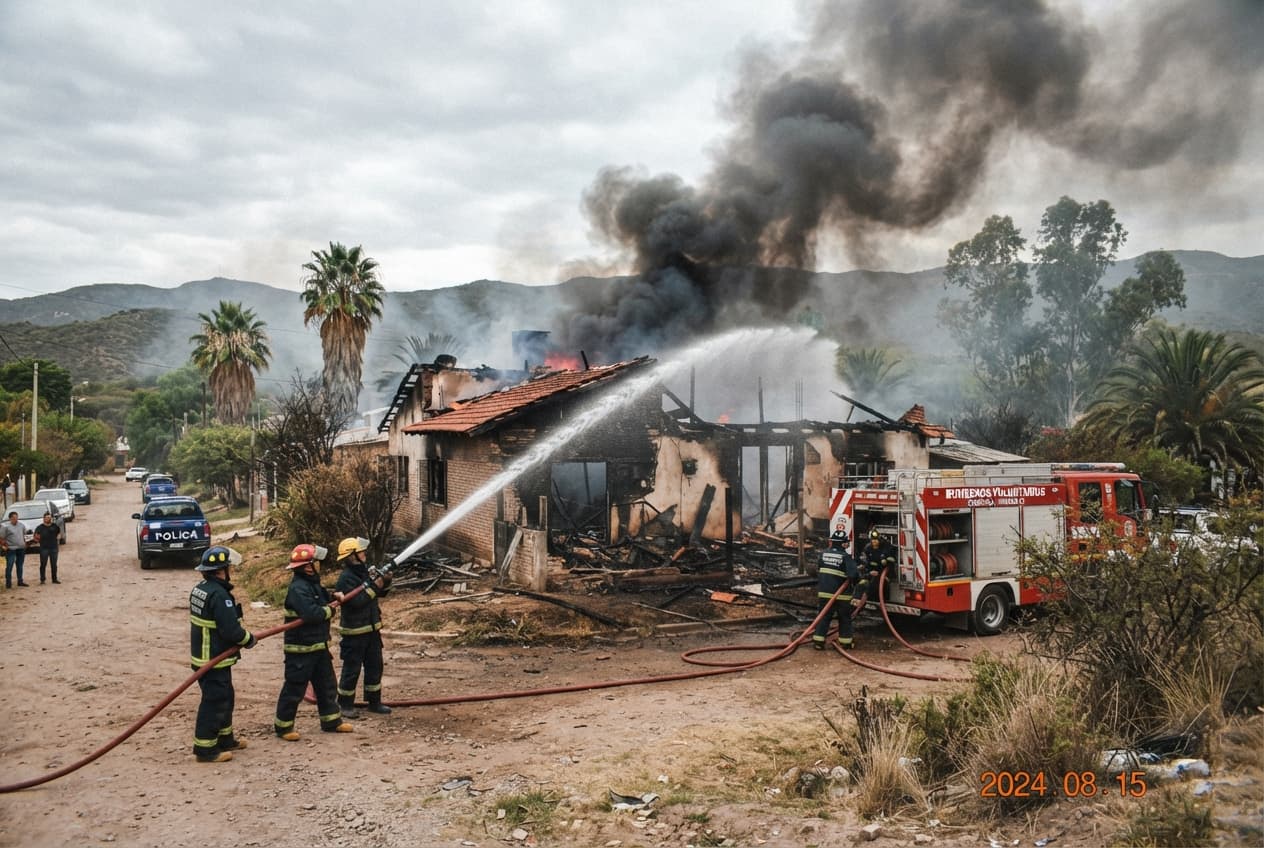
AI Image Disclaimer: The accompanying illustration was generated using artificial intelligence and is intended for visual representation purposes only.
Sources (Verification Check): Reuters, Associated Press (AP), Al Jazeera, BBC News
Note: This article was published on BanxChange.com and is powered by the BXE Token on the XRP Ledger. For the latest articles and news, please visit BanxChange.com