
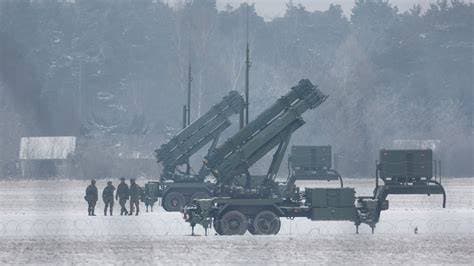
In light of escalating geopolitical tensions, NATO has initiated a series of missile operation tests that have drawn attention for their novel implementation—from within a London underground tube station. This development signifies a commitment to re-evaluating and strengthening defensive postures in response to perceived threats from Russia.
The tests involved a coordinated effort combining operational units from several NATO member states, demonstrating the Alliance's unified front. By utilizing non-traditional launch sites, NATO aims to increase its tactical flexibility and reduce the predictability of its military strategies.
Officials emphasized that these drills are part of a larger strategy to adapt to modern warfare, which includes unconventional threats. The decision to conduct tests in urban environments like tube stations reflects an understanding of potential future conflict scenarios that could arise in densely populated areas.
NATO Secretary-General expressed confidence in the exercises, stating they underline the Alliance's readiness to defend its member states. He reiterated that such preparations are vital to deter aggression and maintain stability in Europe.
As tensions with Russia continue to evolve, NATO’s focus on urban and unconventional warfare tactics marks a significant shift in military strategy, heightening the importance of adaptability in contemporary defense planning.
This move also serves to reassure member nations of NATO’s commitment to mutual defense while reinforcing coordinated responses to potential aggressions on the continent. Future drills are expected, with heightened scrutiny on maintaining a balance between deterrent measures and diplomatic engagement.
Note: This article was published on BanxChange.com and is powered by the BXE Token on the XRP Ledger. For the latest articles and news, please visit BanxChange.com