
In the quiet corridors of intensive care, where time often feels suspended, moments of hope can emerge in the smallest expressions. A recent report involving a U.S. doctor infected with Ebola has drawn attention not only for its medical seriousness, but also for the patient’s own measured words of resilience.
According to information reported by outlets including Reuters, Associated Press, and statements from medical officials, the doctor remains in critical condition while receiving specialized treatment for Ebola infection. The case has been closely monitored by infectious disease experts due to the rarity of such infections in the United States.
Ebola is a severe viral illness that requires immediate intensive care, including fluid management, organ support, and experimental or advanced antiviral therapies depending on availability. Modern treatment approaches have significantly improved survival rates compared to earlier outbreaks, though the disease remains highly dangerous.
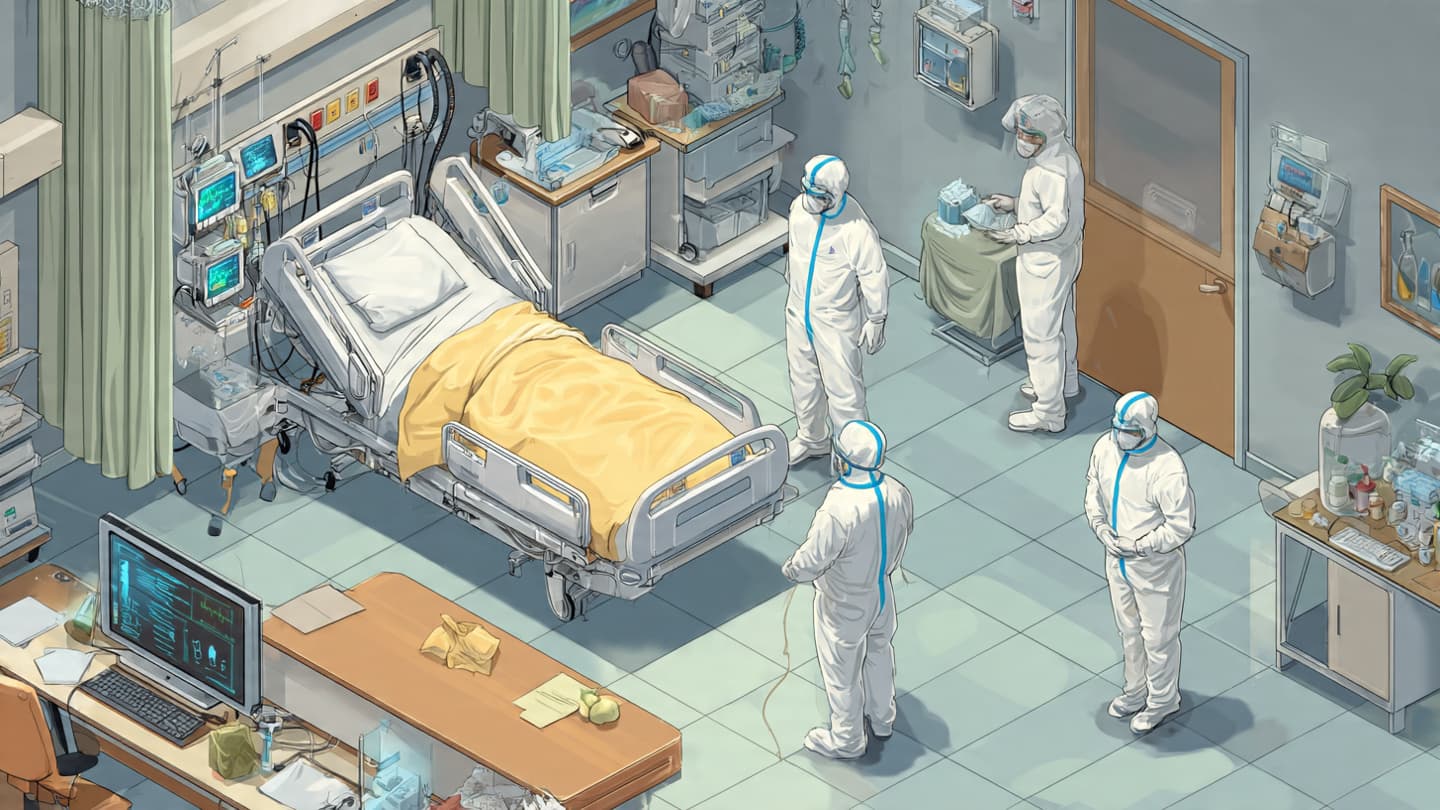
Hospital teams managing the case have reportedly followed strict isolation protocols to prevent any potential secondary transmission. These protocols include specialized protective equipment, controlled access units, and continuous monitoring by infectious disease specialists.
Despite the severity of the condition, reports indicate that the doctor expressed a cautiously optimistic outlook regarding recovery. Medical professionals often note that recovery trajectories in Ebola cases can vary widely depending on early intervention, overall health, and supportive care.
Public health authorities, including the CDC, have emphasized that Ebola cannot spread through casual contact, but requires direct exposure to bodily fluids. This understanding remains central to hospital containment procedures and public reassurance during treatment cases.
The presence of highly trained infectious disease teams in such cases reflects decades of preparedness developed after previous Ebola outbreaks globally. These systems are designed to respond quickly while minimizing risk to healthcare workers and surrounding communities.
As the patient continues treatment, medical officials have stated that updates will be provided based on clinical progress, while maintaining patient privacy and strict safety protocols.
Disclaimer: Some visuals used in this article are AI-generated illustrations created for editorial purposes.
Sources: Reuters, Associated Press, Centers for Disease Control and Prevention (CDC), World Health Organization (WHO)
Note: This article was published on BanxChange.com and is powered by the BXE Token on the XRP Ledger. For the latest articles and news, please visit BanxChange.com