
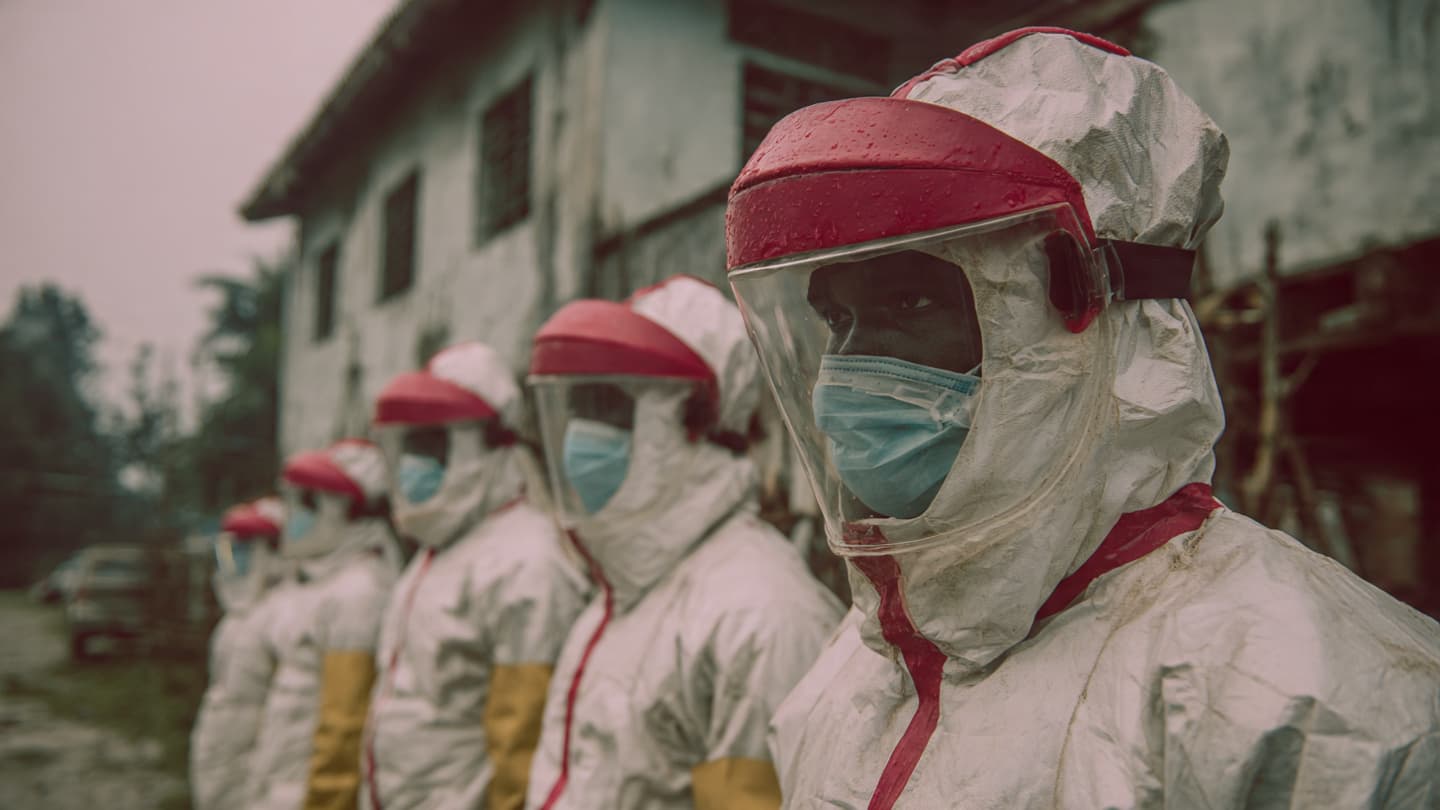
In places already shaped by conflict and uncertainty, healthcare facilities often become more than buildings. They stand as fragile shelters against fear, carrying the hopes of communities facing dangers that cannot always be seen. In the eastern Democratic Republic of Congo, where violence and disease have repeatedly intersected over the years, the burning of an Ebola treatment center in Ituri Province deepened concerns surrounding both public health and regional stability.
Authorities and health officials reported that an Ebola treatment facility was set on fire in Ituri, a province that has experienced recurring armed violence and outbreaks of infectious disease. The incident heightened tensions in an area where humanitarian workers have long struggled to maintain medical operations amid insecurity. Reuters and World Health Organization updates noted that attacks on healthcare infrastructure can significantly disrupt disease containment efforts.
Eastern Congo has faced multiple Ebola outbreaks over the past decade, particularly in regions affected by armed conflict and population displacement. Health workers operating in these areas often encounter logistical difficulties, mistrust, and security threats while attempting to monitor infections and provide treatment.
The destruction of medical infrastructure raises serious concerns for local communities already dealing with fragile healthcare systems. Ebola outbreaks require rapid identification of cases, isolation measures, and close contact tracing. Interruptions to treatment operations can slow response efforts and increase anxiety among residents fearful of further spread.
Humanitarian organizations working in Congo have repeatedly warned that insecurity complicates epidemic response strategies. Armed group activity in Ituri and neighboring provinces has displaced civilians and limited access to vulnerable communities. In some cases, misinformation and distrust toward authorities have also affected public cooperation with health measures.
The World Health Organization and partner agencies continue supporting Congolese authorities in monitoring Ebola risks and strengthening emergency response systems. International health experts emphasize that protecting healthcare workers and facilities remains essential during outbreaks, especially in conflict-affected regions where medical resources are already limited.
Beyond the immediate health implications, the attack also reflected the broader challenges facing eastern Congo. Communities in the region continue navigating overlapping crises involving violence, displacement, poverty, and infectious disease outbreaks. These pressures often reinforce one another, making recovery efforts increasingly complex.
Officials have not yet announced the full extent of the damage caused by the fire, but health agencies continue assessing the situation while urging calm and cooperation from local communities as response efforts move forward.
Disclaimer: Some visuals associated with this report were generated using artificial intelligence for editorial illustration purposes.
Sources: Reuters, World Health Organization, Associated Press, Al Jazeera, BBC
Note: This article was published on BanxChange.com and is powered by the BXE Token on the XRP Ledger. For the latest articles and news, please visit BanxChange.com