There are moments when the world seems to move beneath a curtain of noise — headlines rushing forward, sirens echoing across distant cities, and the steady rhythm of conflict becoming dangerously familiar. Yet sometimes, amid the turbulence, a quieter voice emerges, not to overpower the chaos, but to remind humanity of what may slowly be slipping away.
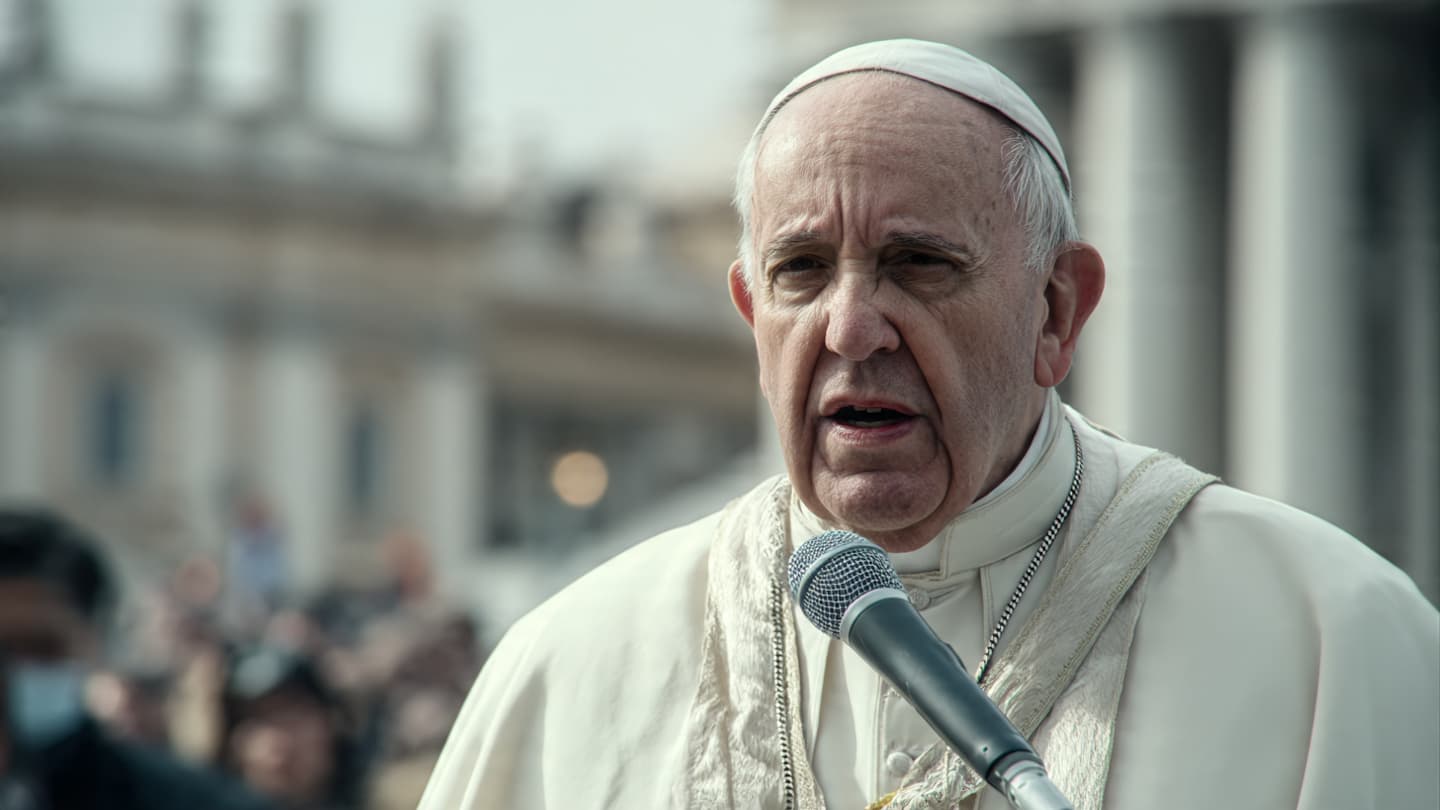
From the Vatican, Pope Leo XIV recently spoke with visible concern over the renewed intensification of attacks in Ukraine, offering prayers for victims while calling attention to the growing human cost carried by civilians. His remarks arrived as fresh waves of strikes and military escalation once again darkened parts of the country, continuing a conflict that has already stretched across years of uncertainty and grief.
The Pope’s message did not arrive as a political declaration wrapped in sharp rhetoric. Instead, it carried the measured cadence often associated with spiritual appeals — language centered on compassion, suffering, and the fragile dignity of ordinary people trapped beneath the machinery of war. In public remarks, he urged the international community not to grow indifferent to the pain unfolding across Ukrainian towns and cities.
For many across Europe, the war in Ukraine has become both immediate and strangely distant at once. Images of destroyed neighborhoods and displaced families continue to circulate globally, yet prolonged conflicts often risk blending into the background of international attention. The Vatican’s intervention appeared aimed, in part, at resisting that drift toward normalization.
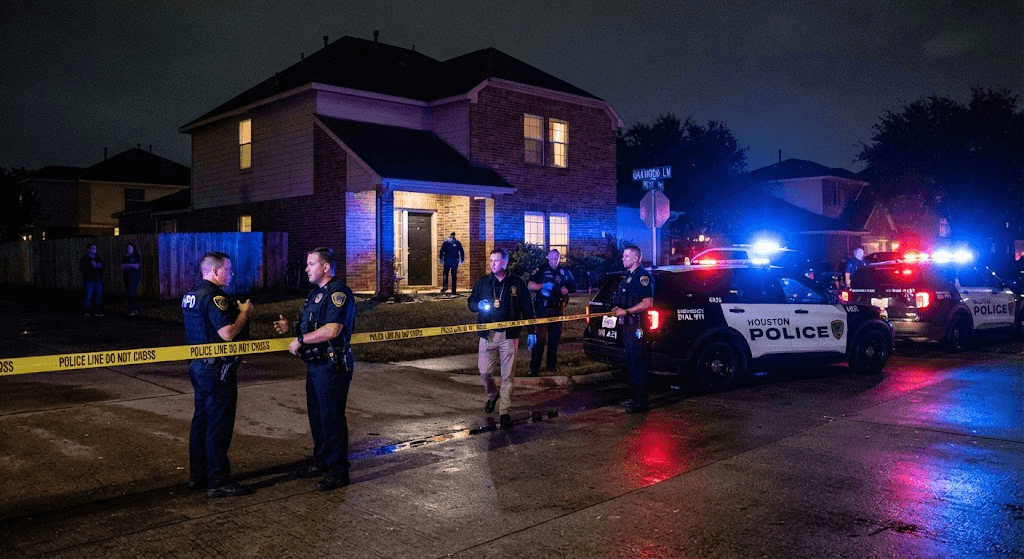
Recent weeks have seen intensified aerial assaults and renewed military operations in several regions of Ukraine, according to international reports. Civilian infrastructure, including residential areas and energy facilities, has again faced damage in some locations. As temperatures and humanitarian pressures shift with the seasons, concerns continue to rise over the long-term impact on families already exhausted by years of instability.
Within that landscape, religious leaders across different traditions have repeatedly attempted to frame the conflict not solely through geopolitical calculations, but through its human consequences. Pope Leo XIV’s remarks echoed earlier Vatican calls for dialogue, restraint, and humanitarian protection, themes that have remained consistent throughout the broader conflict.
The symbolism of such statements still carries weight for many believers around the world. The Vatican, though limited in military or economic influence, occupies a unique moral space in global affairs. Its interventions often seek to slow the emotional hardening that prolonged wars can create — the gradual process by which suffering becomes routine language rather than lived tragedy.
In Ukraine itself, communities continue adapting to lives shaped by uncertainty. Air raid alarms, damaged infrastructure, and repeated displacement have altered daily routines for millions. Families navigate school closures, interrupted electricity, and the emotional strain of separation as soldiers remain at the front lines and civilians attempt to preserve fragments of ordinary life.
The Pope’s remarks also reflected broader anxieties shared across Europe regarding the future direction of the conflict. Diplomatic efforts toward peace have repeatedly encountered setbacks, while military developments continue to shift the balance on the ground. In that atmosphere, public appeals for restraint increasingly sound less like ceremonial statements and more like attempts to preserve hope itself.
Even so, history often remembers not only the decisions made in war rooms, but also the quieter voices that insisted on humanity during periods of destruction. Spiritual leaders, aid workers, volunteers, and civilians frequently become part of a parallel narrative — one less visible than military movements, yet deeply connected to how societies endure conflict.
As fighting continues in Ukraine, international attention remains focused on humanitarian conditions, military developments, and renewed diplomatic discussions among global leaders. Pope Leo XIV’s appeal adds another voice to the growing calls urging protection for civilians and renewed efforts toward peace. For now, however, much of Ukraine continues to live between prayer and uncertainty, beneath skies still marked by the sound of war.
AI Image Disclaimer Graphics are AI-generated and intended for representation, not reality.
Reuters Associated Press (AP) Vatican News BBC News Al Jazeera
Published by Banx Network. This article is part of the Banx decentralized media programme, powered by the BXE token on the XRP Ledger.