
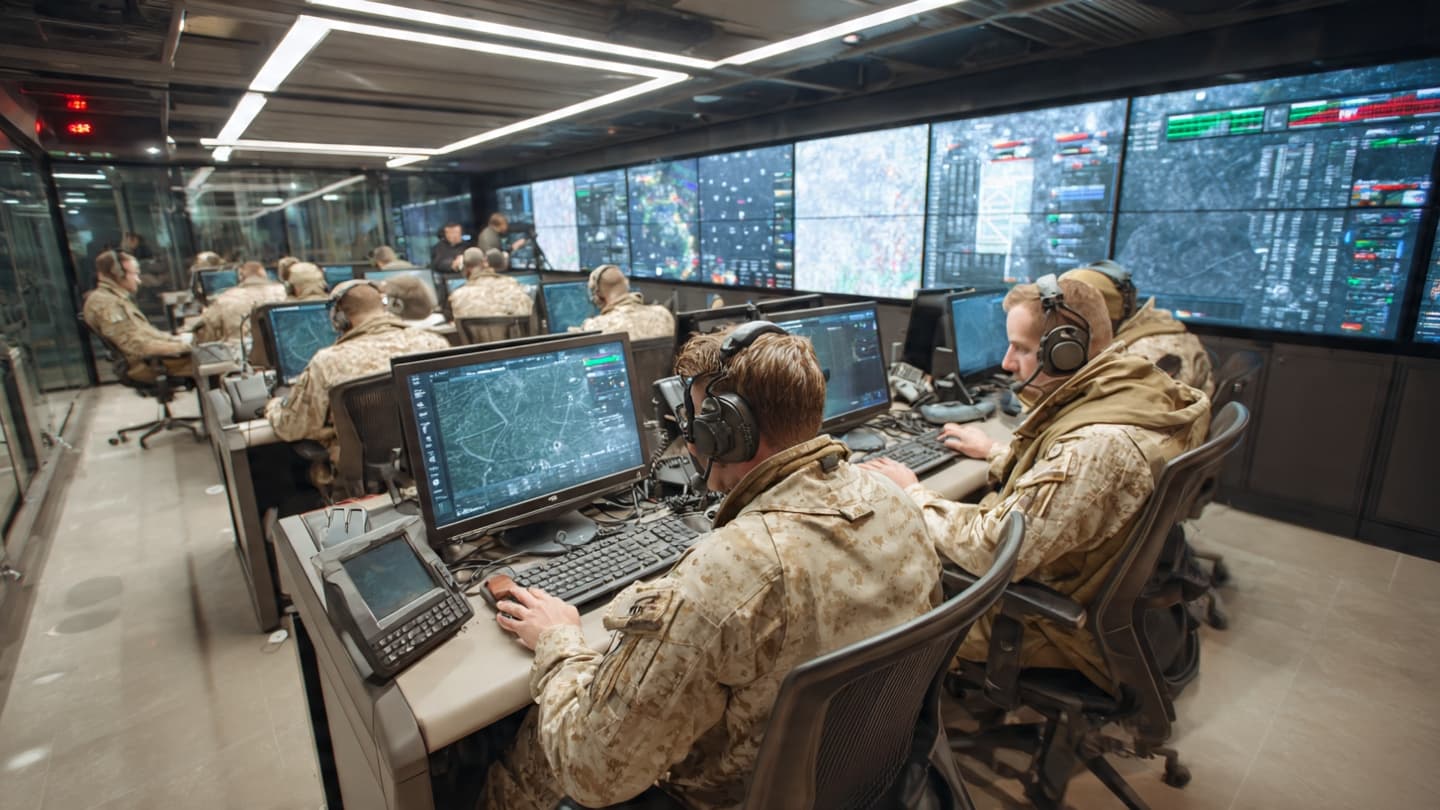
In international affairs, moments of military activity often arrive like sudden waves across otherwise calm waters. They may last only a short time, yet their influence can ripple far beyond the immediate location. Recent reports that the United States military conducted another operation involving Iranian-linked targets have once again directed global attention toward the complex security landscape of the Middle East.
According to statements from U.S. military officials, the operation formed part of broader efforts to address security concerns in the region. While details regarding specific targets and outcomes remain limited, the announcement quickly became a subject of discussion among governments, analysts, and regional observers.
Relations between Washington and Tehran have experienced periods of tension for decades. Disputes involving regional influence, military activities, economic sanctions, and nuclear issues have repeatedly shaped interactions between the two countries. As a result, military developments involving either side are often watched closely by the international community.
The Middle East occupies a significant position within the global economy. Major shipping routes, energy infrastructure, and strategic waterways connect the region to markets across the world. Any increase in military activity therefore attracts attention not only from neighboring countries but also from businesses and policymakers far beyond the region.
Military officials frequently describe such operations as part of broader security objectives. Governments often argue that maintaining deterrence is necessary to protect personnel, infrastructure, and regional partners. At the same time, diplomatic channels typically remain active even during periods of heightened tension.
Many observers note that the relationship between military strategy and diplomacy is rarely straightforward. Security actions may seek to demonstrate resolve, while negotiations attempt to create pathways toward stability. Both approaches often unfold simultaneously, creating a complex environment for decision-makers.
Regional governments continue to monitor developments carefully. Countries across the Middle East have consistently emphasized the importance of avoiding escalation that could affect economic growth, trade, and public security. Stability remains a priority for nations navigating an already challenging geopolitical environment.
Experts caution that individual operations should be understood within a broader strategic context. While military actions may generate immediate headlines, long-term outcomes often depend on political decisions, diplomatic engagement, and regional cooperation.
For now, international attention remains focused on how recent developments may influence future relations between the United States and Iran. As events continue to unfold, policymakers around the world will be watching closely for signs of either increased tension or renewed opportunities for dialogue.
AI Image Disclaimer This article features an AI-generated illustration created for editorial visualization purposes only.
Sources Associated Press, Reuters, CNN, BBC News
Note: This article was published on BanxChange.com and is powered by the BXE Token on the XRP Ledger. For the latest articles and news, please visit BanxChange.com