As the summer heat settles over the Northern Hemisphere, the night sky offers a cool respite and a spectacular display of cosmic wonders. July has long been a favored month for stargazers, not only for its warm evenings but for the prime viewing conditions it provides for some of the solar system’s most majestic sights. NASA’s latest skywatching guide for July 2026 invites observers to look up and reconnect with the timeless rhythm of the heavens, highlighting a month where planets, galaxies, and wandering ice balls converge in a celestial dance.
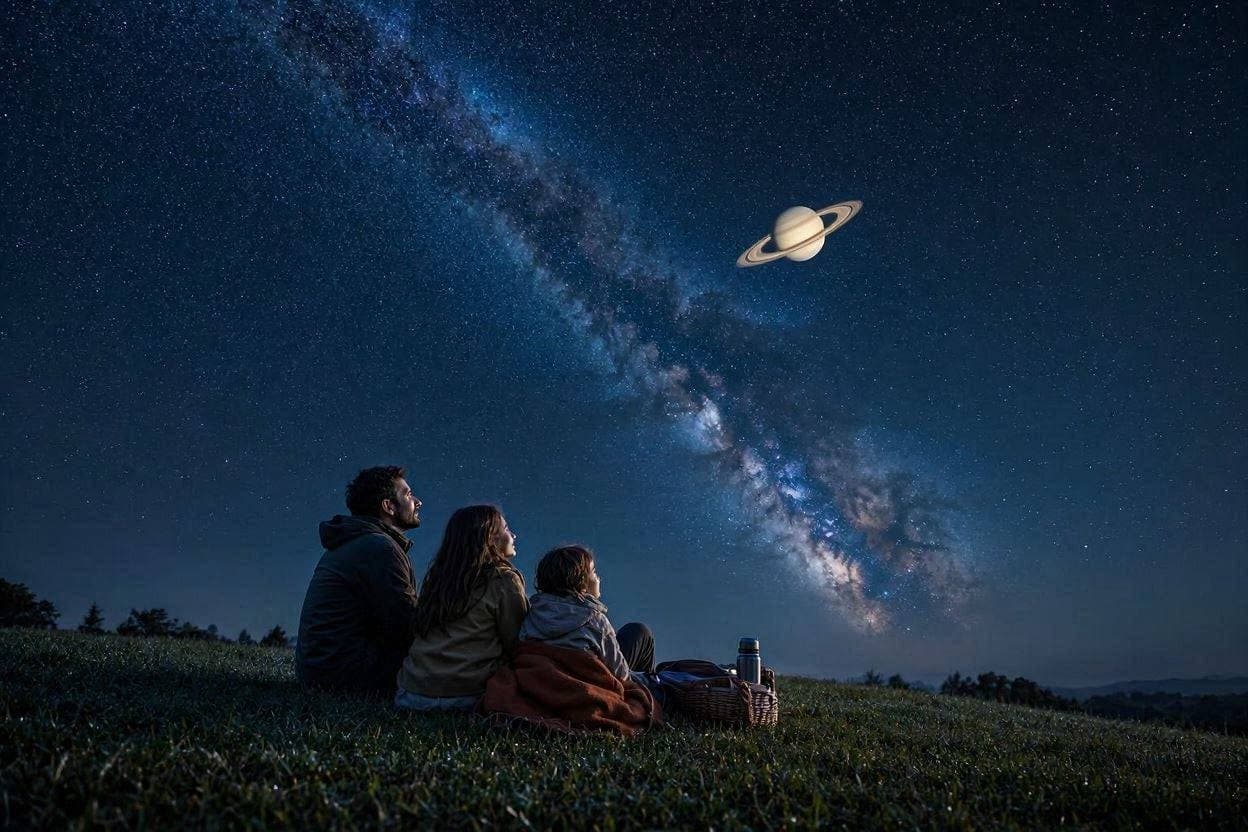
Body: The centerpiece of this month’s sky is undoubtedly Saturn, the ringed giant that rises in the east as the sun sets. In July 2026, Saturn is approaching opposition, making it brighter and larger in telescopes than at any other time of the year. Its iconic rings, tilted at a favorable angle, reveal their intricate structure even to modest backyard instruments. For many, the sight of Saturn remains a profound reminder of the scale and beauty of our planetary neighborhood, a jewel that has captivated humanity since the invention of the telescope.
Alongside Saturn, the Milky Way takes center stage. During July nights, the galactic core rises high in the southern sky, displaying a dense band of stars, dust, and gas that stretches across the horizon. In areas with low light pollution, this river of light is visible to the naked eye, offering a direct view into the heart of our galaxy. NASA encourages observers to find dark skies, away from city lights, to fully appreciate the sheer density of stars that make up this familiar yet always awe-inspiring feature.
The guide also notes the potential visibility of comets, those icy wanderers from the outer solar system. While cometary brightness can be unpredictable, July 2026 offers opportunities to track fainter comets with binoculars or small telescopes. These objects, remnants from the formation of the solar system, serve as tangible links to our cosmic past. Observing them requires patience and a bit of skill, but the reward is witnessing a piece of history moving through the void.
For those new to astronomy, NASA’s guide provides practical tips on how to locate these objects using star charts and mobile apps. It emphasizes the importance of allowing eyes to adjust to the darkness and using red-light flashlights to preserve night vision. These simple steps can significantly enhance the viewing experience, turning a casual glance upward into a meaningful engagement with the universe.
The month also features other planetary movements, including Mars and Venus appearing in the morning sky before dawn. These "morning stars" offer a different kind of beauty, sharp and bright against the fading twilight. Their positions change rapidly, providing a dynamic element to the daily routine of skywatching and encouraging regular observation.
Beyond the specific objects, the guide serves as a reminder of the accessibility of space science. One does not need expensive equipment to participate; curiosity and a clear sky are often enough. By sharing this knowledge, NASA fosters a community of observers who share in the wonder of discovery, no matter how small or large their telescope may be.
Closing: NASA’s July 2026 sky guide is more than a list of dates and times; it is an invitation to pause and look up. In a world that often moves too fast, the steady motion of the planets and the eternal glow of the Milky Way offer a sense of perspective and peace, reminding us of our place in the vast cosmos.
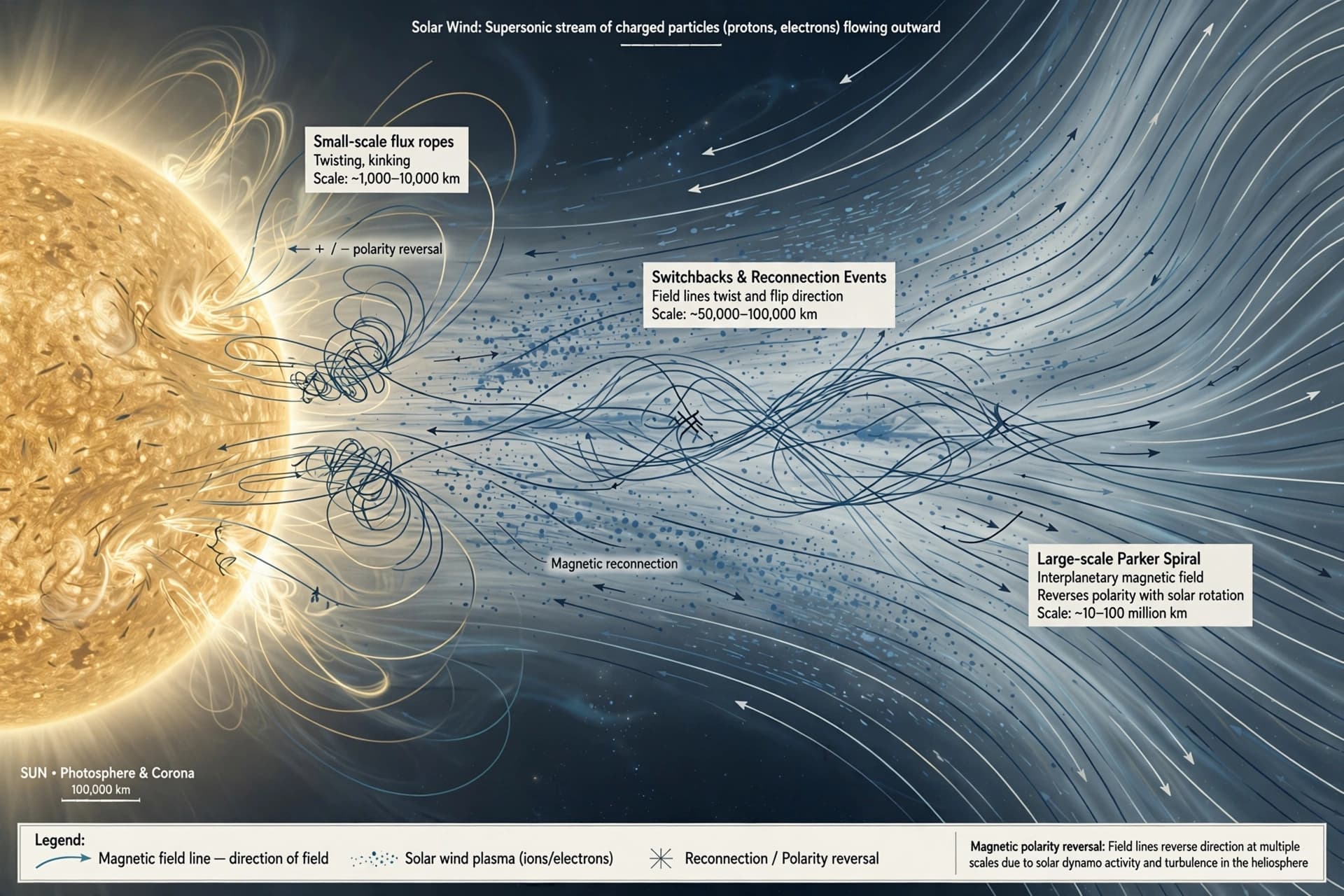
AI Image Disclaimer: The accompanying images are AI-generated illustrations designed to capture the mood of summer stargazing and should not be considered actual astronomical photographs.
Sources: NASA, Space.com, EarthSky, Astronomical League, TimeandDate.com
Published by Banx Network. This article is part of the Banx decentralized media programme, powered by the BXE token on the XRP Ledger.