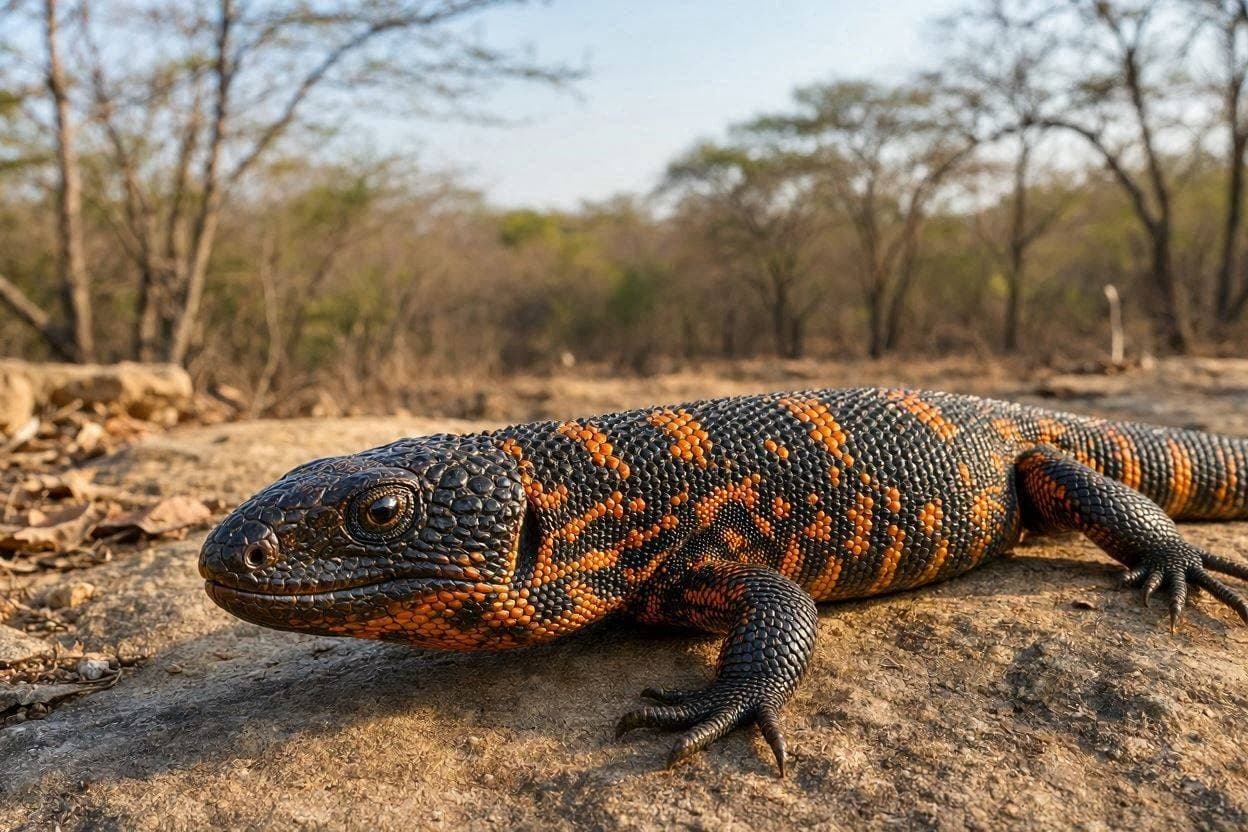
In the dry forests of eastern Guatemala, where the heat shimmers off the rocky terrain, a quiet miracle is taking place. The Guatemalan beaded lizard, a creature of striking beauty with its black and yellow-orange scales, has long teetered on the brink of extinction. Hunted for its perceived medicinal properties and threatened by habitat loss, this endemic species has become a symbol of the fragility of biodiversity. Now, however, a dedicated conservation program at the National Zoo La Aurora is offering a glimmer of hope, expanding its captive breeding efforts to ensure that these ancient reptiles do not vanish from the earth.
Body: The recent announcement of new hatchlings marks a significant milestone in the fight to save Heloderma charlesbogerti. For years, breeding these lizards in captivity proved elusive, as they are sensitive to environmental changes and require specific conditions to thrive. The success of the current program is a testament to the patience and expertise of conservationists who have meticulously studied the species’ behavior, diet, and reproductive cycles. Each new hatchling represents not just an individual life, but a vital step toward stabilizing a population that has dwindled to critically low numbers in the wild.
This initiative is part of a broader strategy that combines captive breeding with habitat protection and community engagement. Conservationists recognize that saving a species requires more than just maintaining a population in zoos; it demands restoring the ecosystems where they naturally belong. Efforts are underway to protect the remaining fragments of dry forest in the Motagua Valley, the only place in the world where this lizard is found. By working with local communities, the program aims to reduce poaching and promote sustainable land use practices that benefit both people and wildlife.
The Guatemalan beaded lizard is one of only two venomous lizard species in the world, the other being the Gila monster found in the United States and Mexico. Despite their fearsome reputation, they are shy and reclusive animals that play a crucial role in their ecosystem by controlling insect and small vertebrate populations. Their venom, while potent, is also of interest to medical researchers who are studying its potential applications in treating diabetes and other conditions. Thus, their preservation holds value beyond ecological balance.
International collaboration has also played a key role in this success. Partnerships with organizations like Zoo Atlanta and various global conservation groups have provided technical support, funding, and knowledge exchange. This global network underscores the shared responsibility we have for protecting endangered species, regardless of borders. It is a reminder that conservation is a collective endeavor, requiring cooperation and commitment from diverse stakeholders.
As the program expands, the focus is shifting toward eventual reintroduction into the wild. While this is a complex and long-term goal, the steady increase in the captive population provides the necessary foundation. Researchers are carefully monitoring the health and genetic diversity of the bred lizards to ensure they are robust enough to survive in their natural habitat. Every step is taken with caution, prioritizing the well-being of the animals above all else.
The story of the Guatemalan beaded lizard is one of resilience and renewal. It shows that even when a species is on the verge of disappearance, human intervention can make a difference. The dedication of the zoo staff and conservation partners serves as an inspiration, demonstrating that it is never too late to act when we care deeply about the natural world.
Closing: The expansion of Guatemala’s breeding program for the Guatemalan beaded lizard offers a promising path forward for this endangered species. Through sustained effort and international cooperation, there is hope that these unique reptiles will once again thrive in their native forests, preserving a vital piece of the country’s natural heritage.
AI Image Disclaimer: The visual representations in this article are AI-generated illustrations of the Guatemalan beaded lizard and its habitat, created for illustrative purposes only.
Sources: Reuters, GMA Network, Zoo Atlanta, Amphibian Ark, Energy News
Published by Banx Network. This article is part of the Banx decentralized media programme, powered by the BXE token on the XRP Ledger.