There is a timeless allure to the night sky, a canvas that changes with the rhythmic dance of celestial bodies. This week, Canadians will have the opportunity to witness one of nature’s most subtle yet striking performances: a partial lunar eclipse. As the Earth passes between the sun and the moon, casting a shadow that gently bites into the lunar surface, observers are invited to pause and look up, connecting with a phenomenon that has inspired awe for millennia.
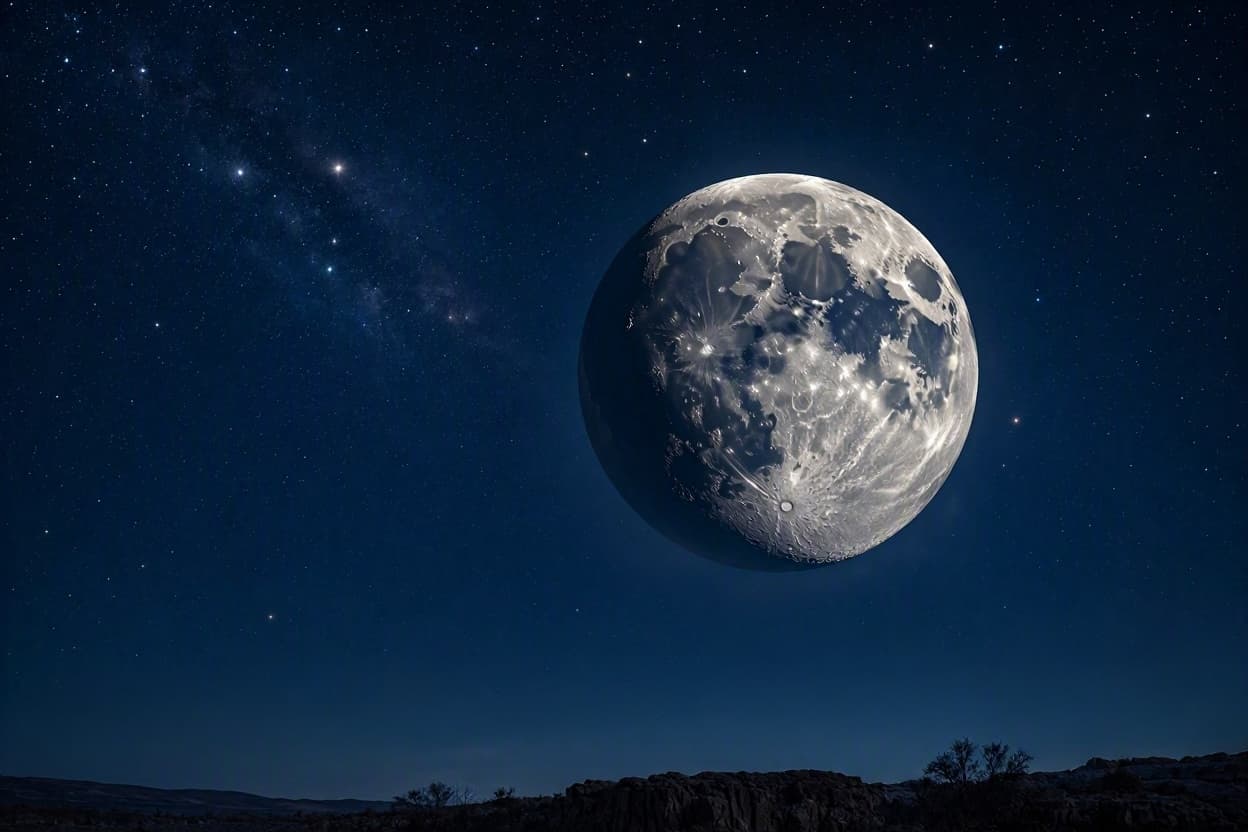
The eclipse will occur when the moon moves into the Earth’s umbra, the darkest part of its shadow. Unlike a total eclipse, where the moon is completely engulfed, this partial event will see only a portion of the lunar disk darken. The effect creates a dramatic contrast between the bright, sunlit side and the shadowed region, offering a unique visual spectacle that is easy to view with the naked eye.
Timing is key for optimal viewing. The eclipse will be visible across most of Canada, with the best views occurring in the early hours of the morning. Weather permitting, skywatchers in urban and rural areas alike can enjoy the event without the need for specialized equipment. Binoculars or a small telescope can enhance the experience, revealing more detail in the cratered landscape of the moon.
Astronomers note that partial eclipses are more frequent than total ones, but they are no less captivating. Each event offers a chance to observe the mechanics of the solar system in real time. The gradual darkening of the moon serves as a tangible reminder of the orbital relationships that govern our place in the cosmos.
For photographers, the eclipse presents a creative challenge. Capturing the changing light and shadow requires patience and practice, but the results can be stunning. Many amateur astronomers share their images online, creating a global gallery of celestial beauty that connects people through shared wonder.
Beyond the visual appeal, lunar eclipses have cultural and historical significance. Many indigenous cultures have stories and traditions associated with the moon and its cycles. Observing the eclipse can be a moment to reflect on these narratives and the deep human connection to the night sky.
As the eclipse passes, the moon will return to its full brightness, continuing its monthly journey. But the memory of the shadowed disk will linger, a brief interruption in the familiar rhythm of the heavens. It is a gentle reminder of the dynamic universe we inhabit.
The partial lunar eclipse is a gift of light and shadow, inviting us to look up and appreciate the quiet majesty of the cosmos. It is a moment of shared experience, uniting viewers across the country in wonder.
AI Image Disclaimer: Any images used in conjunction with this article are AI-generated conceptualizations meant to illustrate the themes of media and justice.
Sources: SpaceWeather.com, CBC News, Royal Astronomical Society of Canada, TimeandDate.com
Published by Banx Network. This article is part of the Banx decentralized media programme, powered by the BXE token on the XRP Ledger.