
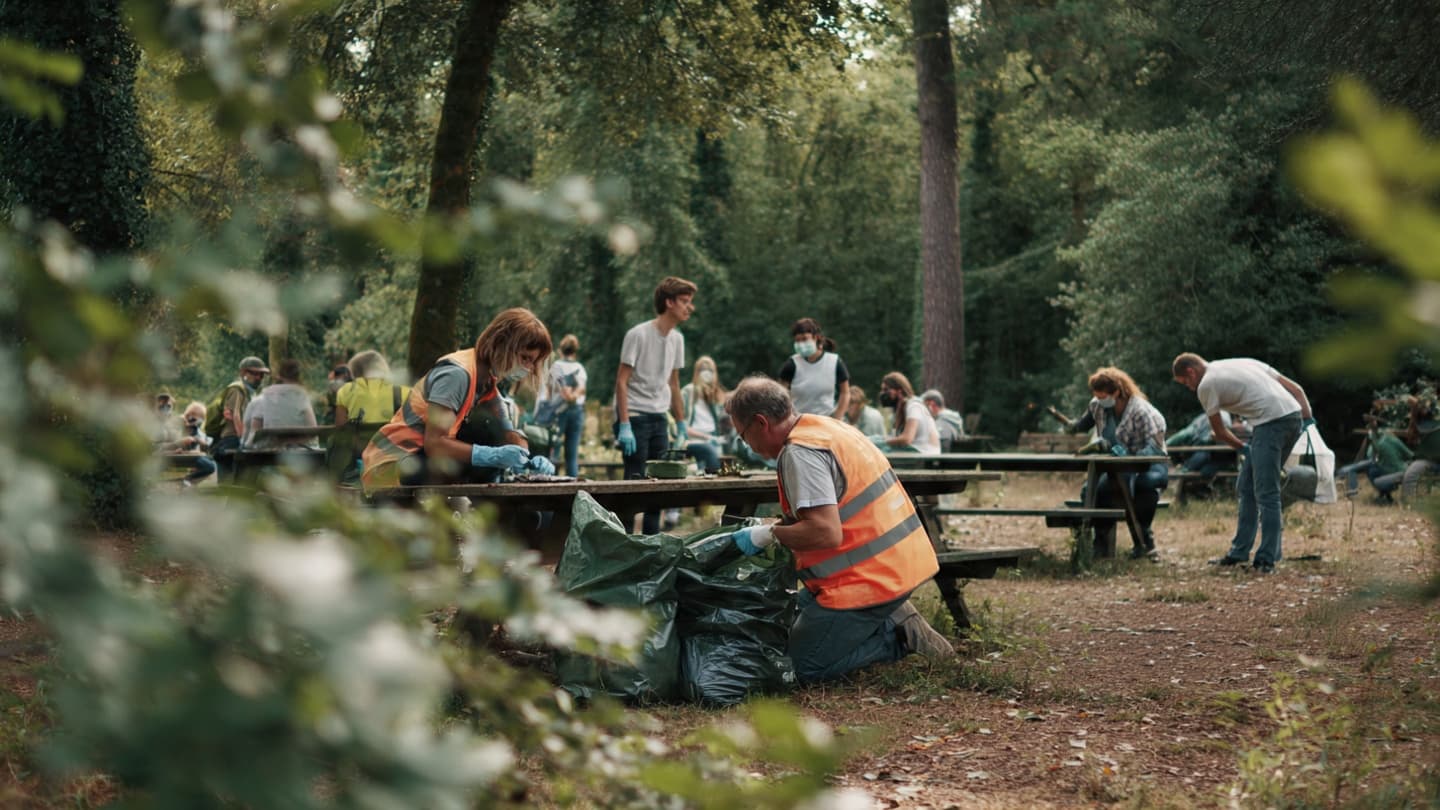
The disappearance of wildlife rarely occurs in a single dramatic moment. More often, it unfolds quietly. A species becomes slightly less common, a familiar call is heard less frequently, and a once-ordinary sight gradually fades into memory. Across France, conservation groups are drawing attention to this subtle process through a new campaign focused on biodiversity protection.
The initiative seeks to increase public awareness of wildlife decline and encourage broader participation in conservation efforts. Organizers hope that greater understanding can inspire meaningful action at both local and national levels. Their message is straightforward: protecting biodiversity requires engagement from society as a whole.
France is home to a remarkable variety of ecosystems, from mountain forests and river valleys to coastal wetlands and agricultural landscapes. These environments support countless plant and animal species, many of which face growing pressures from habitat loss, environmental change, and human activity.
Conservationists emphasize that biodiversity extends beyond rare or charismatic animals. Insects, birds, amphibians, plants, and microorganisms all contribute to ecological stability. The health of an ecosystem often depends on interactions among numerous species rather than the survival of any single one.
Educational outreach forms a central component of the campaign. Through public events, community programs, and awareness initiatives, organizers aim to make environmental issues more accessible to wider audiences. Knowledge, they argue, remains one of the most effective tools for long-term conservation success.
The campaign also highlights practical actions individuals can take. Supporting native vegetation, reducing environmental disturbances, and participating in local conservation projects are among the approaches encouraged by environmental organizations. Small actions, when multiplied across communities, can produce meaningful outcomes.
Scientific monitoring continues to provide valuable insights into biodiversity trends. Researchers track species populations, habitat conditions, and ecological indicators to better understand environmental changes. Such information helps guide conservation priorities and evaluate the effectiveness of protection measures.
At the same time, conservation groups acknowledge that solutions require cooperation among governments, businesses, researchers, and citizens. Environmental challenges rarely respect administrative boundaries, making collaboration essential for lasting progress.
The renewed focus on wildlife protection reflects a broader recognition that biodiversity underpins ecosystem services upon which human societies depend. Pollination, water quality, soil health, and climate regulation all connect in some way to functioning natural systems.
As the campaign gains momentum, its success may ultimately be measured not only by public awareness but by lasting engagement. The goal is not merely to document decline, but to strengthen the conditions that allow wildlife to endure. In doing so, France joins a wider effort to ensure that future generations inherit landscapes still rich with life and possibility.
AI Image Disclaimer Illustrations were produced with AI and serve as conceptual depictions.
Source Check Credible sources identified before writing:
Le Monde France 24 Reuters WWF France IUCN
Note: This article was published on BanxChange.com and is powered by the BXE Token on the XRP Ledger. For the latest articles and news, please visit BanxChange.com