
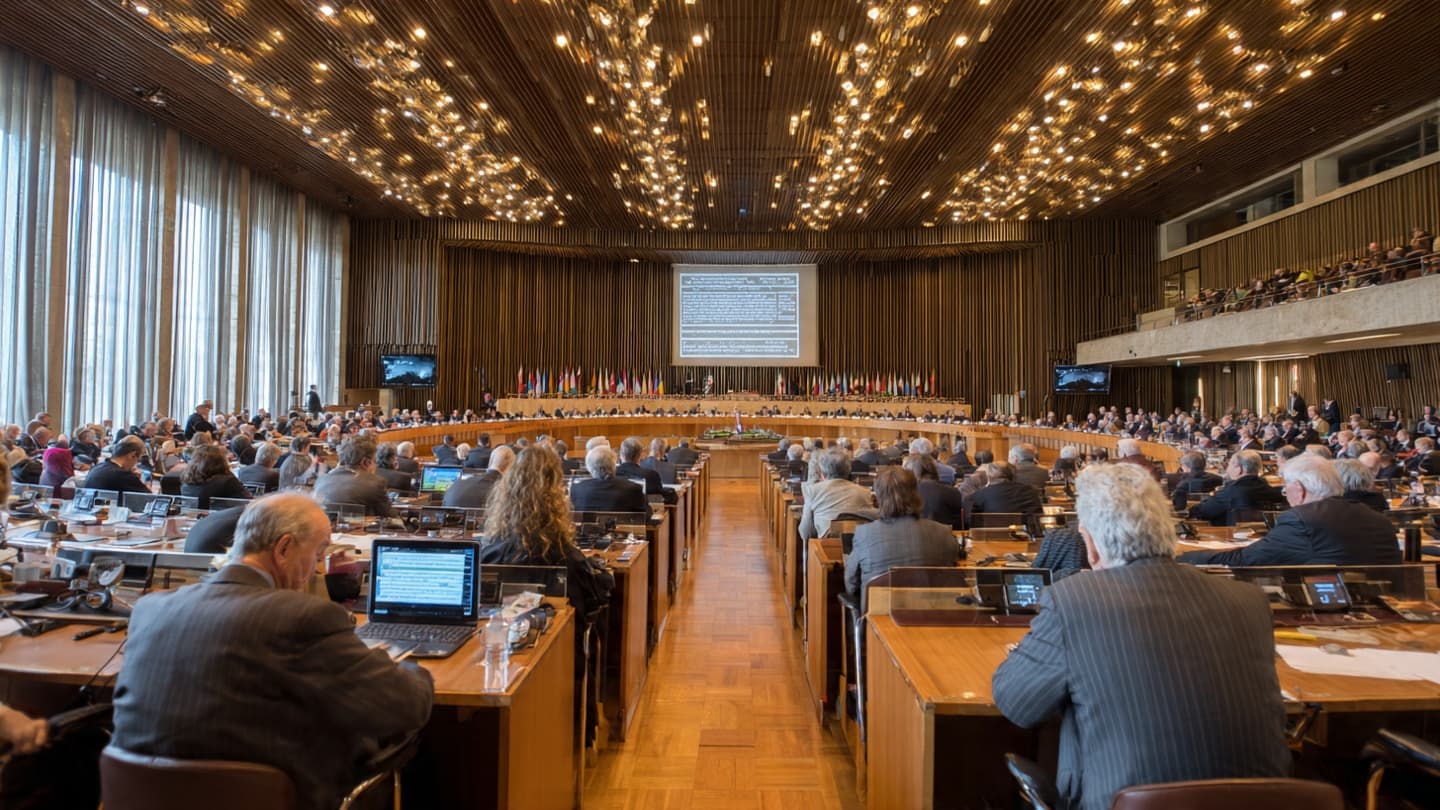
Some of the most important responses to global challenges begin not with machinery or infrastructure, but with knowledge. Across generations, societies have relied on education, cooperation, and shared experience to navigate uncertainty. In an era marked by environmental change, those tools are becoming increasingly valuable.
UNESCO, headquartered in Paris, has announced the expansion of international programs focused on climate resilience. The initiative reflects a growing recognition that communities around the world require practical knowledge and collaborative strategies to adapt to changing environmental conditions.
Climate resilience refers to the ability of societies, institutions, and ecosystems to prepare for, respond to, and recover from climate-related challenges. These challenges may include floods, droughts, heatwaves, rising sea levels, and other environmental pressures that affect everyday life.
UNESCO’s expanded efforts seek to connect researchers, educators, policymakers, and local communities. By encouraging the exchange of knowledge across borders, the organization hopes to support solutions that can be adapted to different geographic and cultural contexts.
Education remains a central component of the initiative. Schools and universities increasingly play a role in helping future generations understand environmental risks and develop skills needed to address them. UNESCO has long emphasized the importance of education as a foundation for sustainable development.
Scientific cooperation is another key focus. Climate impacts do not stop at national borders, and researchers often benefit from shared data and international partnerships. Expanded programs aim to strengthen networks that allow experts to collaborate on common challenges.
Local communities are expected to remain at the heart of resilience efforts. Many regions possess valuable experience managing environmental conditions unique to their landscapes. UNESCO's approach encourages the integration of local knowledge with scientific research to create practical and effective strategies.
The organization also supports cultural preservation in the face of climate-related risks. Historic sites, traditional practices, and cultural heritage can be vulnerable to environmental changes. Protecting these resources is increasingly viewed as part of broader resilience planning.
Observers note that international organizations face growing expectations as climate-related events affect communities worldwide. Programs that encourage preparation, education, and cooperation are often seen as investments in long-term stability rather than short-term responses.
As UNESCO expands its climate resilience initiatives from Paris, the message is one of shared responsibility and shared learning. In a changing climate, knowledge may prove to be one of the most important resources available, helping communities adapt while preserving both human well-being and cultural heritage.
AI Image Disclaimer Visuals are created with AI tools and are not real photographs.
Source Check Credible sources identified:
Reuters UNESCO AFP France 24 Associated Press
Note: This article was published on BanxChange.com and is powered by the BXE Token on the XRP Ledger. For the latest articles and news, please visit BanxChange.com