In the machinery of government, silence can sometimes speak louder than words. A major housing affordability bill is set to become law without the signature of President Trump, marking a significant legislative victory for its proponents. This outcome, achieved through congressional override or procedural mechanisms, underscores the growing independence of lawmakers from executive influence on key domestic issues.
The bill, which has been in development for months, aims to address the critical shortage of affordable housing across the United States. It includes provisions for increased funding for low-income housing projects, tax incentives for developers who build affordable units, and protections for tenants facing eviction. For millions of Americans struggling with rising rents and home prices, the legislation offers a glimmer of hope and tangible support.
President Trump’s decision not to sign the bill, whether due to policy disagreements or strategic political calculations, has not stopped its progress. Congress, recognizing the urgency of the housing crisis, moved to ensure the bill’s enactment despite the lack of executive endorsement. This move highlights the legislative branch’s capacity to act decisively when national needs are at stake.
Supporters of the bill argue that it represents a bipartisan commitment to solving one of the most pressing economic challenges of our time. They point to the broad coalition of lawmakers who backed the measure, reflecting a shared understanding of the social and economic impacts of housing insecurity. The passage of the bill is seen as a testament to the power of collective action.
Critics, however, raise concerns about the cost and implementation of the new programs. They question whether the federal government is the best entity to manage local housing markets and warn of potential bureaucratic inefficiencies. Despite these objections, the momentum behind the bill proved unstoppable, driven by grassroots advocacy and urgent community needs.
For housing advocates, the enactment of the law is a milestone. It validates years of lobbying and public awareness campaigns that highlighted the plight of renters and first-time homebuyers. The focus now shifts to implementation, ensuring that the funds reach the communities that need them most and that the provisions are enforced effectively.
As the bill becomes law, it sets a precedent for future legislative efforts. It demonstrates that even in a divided government, progress is possible when lawmakers prioritize the well-being of their constituents. The housing affordability crisis remains a complex challenge, but this step forward offers a foundation for further reform.
Closing: A major housing affordability bill will become law without President Trump’s signature, highlighting congressional independence and the urgency of addressing the housing crisis. The legislation aims to provide relief to millions of Americans through increased funding and tenant protections.
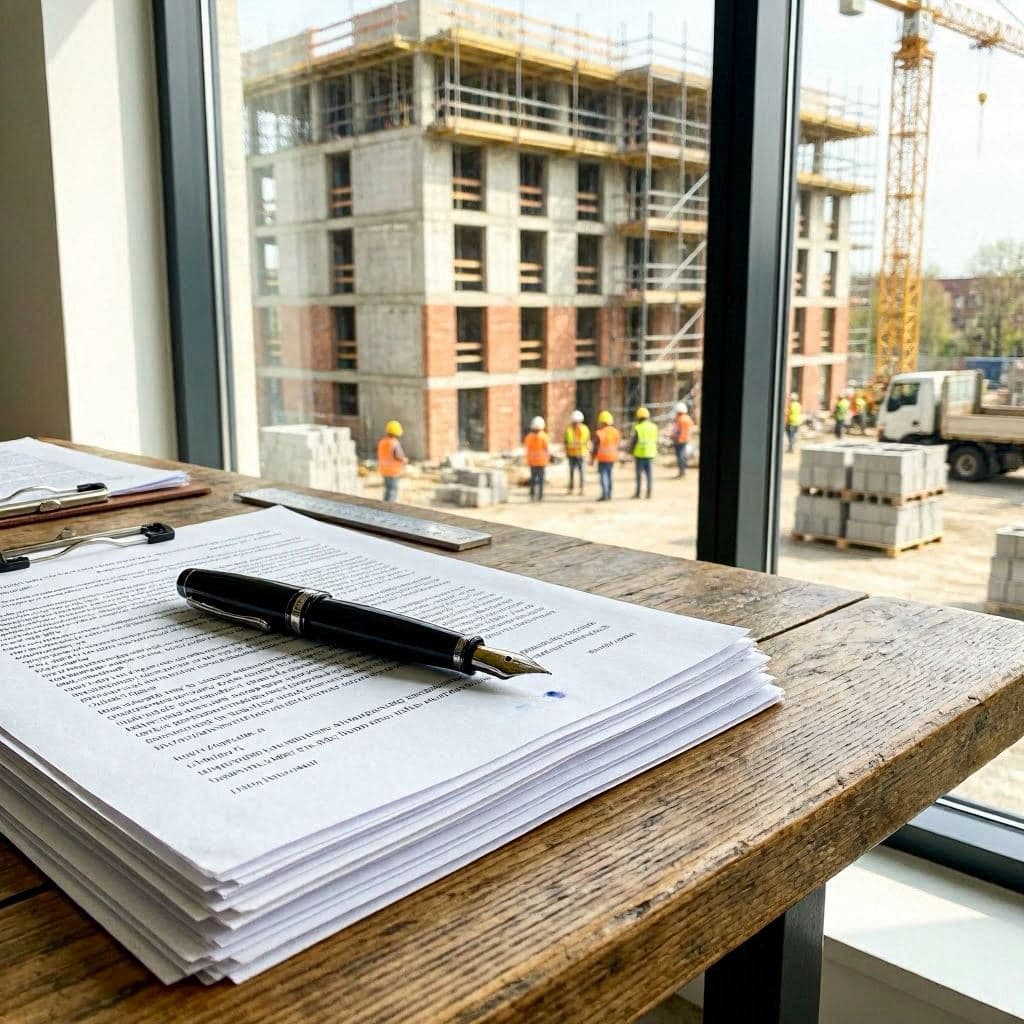
AI Image Disclaimer: Visuals accompanying this article are AI-generated and intended for illustrative purposes only.
Sources: Congressional Records, Housing Advocacy Groups, Major News Networks
Published by Banx Network. This article is part of the Banx decentralized media programme, powered by the BXE token on the XRP Ledger.