In the intricate dance of American governance, silence can sometimes speak louder than words. A landmark bipartisan housing bill has officially become law, not through the ceremonial stroke of a presidential pen, but through the quiet mechanism of constitutional procedure. President Donald Trump’s refusal to sign the legislation, coupled with his decision not to issue a formal veto, allowed the measure to take effect automatically, marking a rare moment where political discord yielded legislative success.
The bill, known as the "21st Century ROAD to Housing Act," passed both the House and Senate with overwhelming, veto-proof majorities. It aims to address the nation’s persistent housing affordability crisis by incentivizing the construction of new units, streamlining zoning regulations, and providing support for first-time homebuyers. For lawmakers from both parties, its passage represented a significant achievement in an era often defined by gridlock and partisan division.
President Trump had publicly dismissed the bill as "a big yawn" and indicated he would not sign it, viewing it as insufficient or politically motivated. However, by neither signing nor vetoing the bill within the ten-day window prescribed by the Constitution, he effectively allowed it to become law without his endorsement. This procedural outcome underscores the checks and balances designed to ensure that popular legislation can survive even when executive approval is withheld.
For advocates of housing reform, the result is a victory despite the lack of presidential fanfare. The law promises to inject billions into local housing markets, encouraging developers to build more affordable options in high-demand areas. Community leaders and urban planners have long awaited such federal support, hoping it will alleviate the pressure on renters and buyers struggling with rising costs.
Critics of the president’s approach argue that his refusal to engage constructively with bipartisan efforts undermines the spirit of cooperation. Yet, supporters of the administration view his stance as a consistent expression of his policy preferences, leaving the final decision to Congress. The automatic enactment of the bill demonstrates that legislative momentum can sometimes bypass executive hesitation.
The impact of the law will unfold over time, as states and municipalities begin to implement its provisions. Early indicators suggest a boost in construction permits and a renewed interest in public-private partnerships for housing development. It is a test of whether federal incentives can truly translate into tangible relief for families across the country.
As the dust settles on this legislative episode, the focus shifts to implementation. The bill’s success will be measured not by the political drama surrounding its passage, but by the homes built and the lives improved. It serves as a reminder that in democracy, progress often requires patience, persistence, and the ability to find common ground even in disagreement.
Closing: A bipartisan housing bill has become law after President Trump refused to sign it but did not issue a veto. The "21st Century ROAD to Housing Act" aims to improve housing affordability through increased construction and zoning reforms, marking a significant legislative achievement despite executive ambivalence.
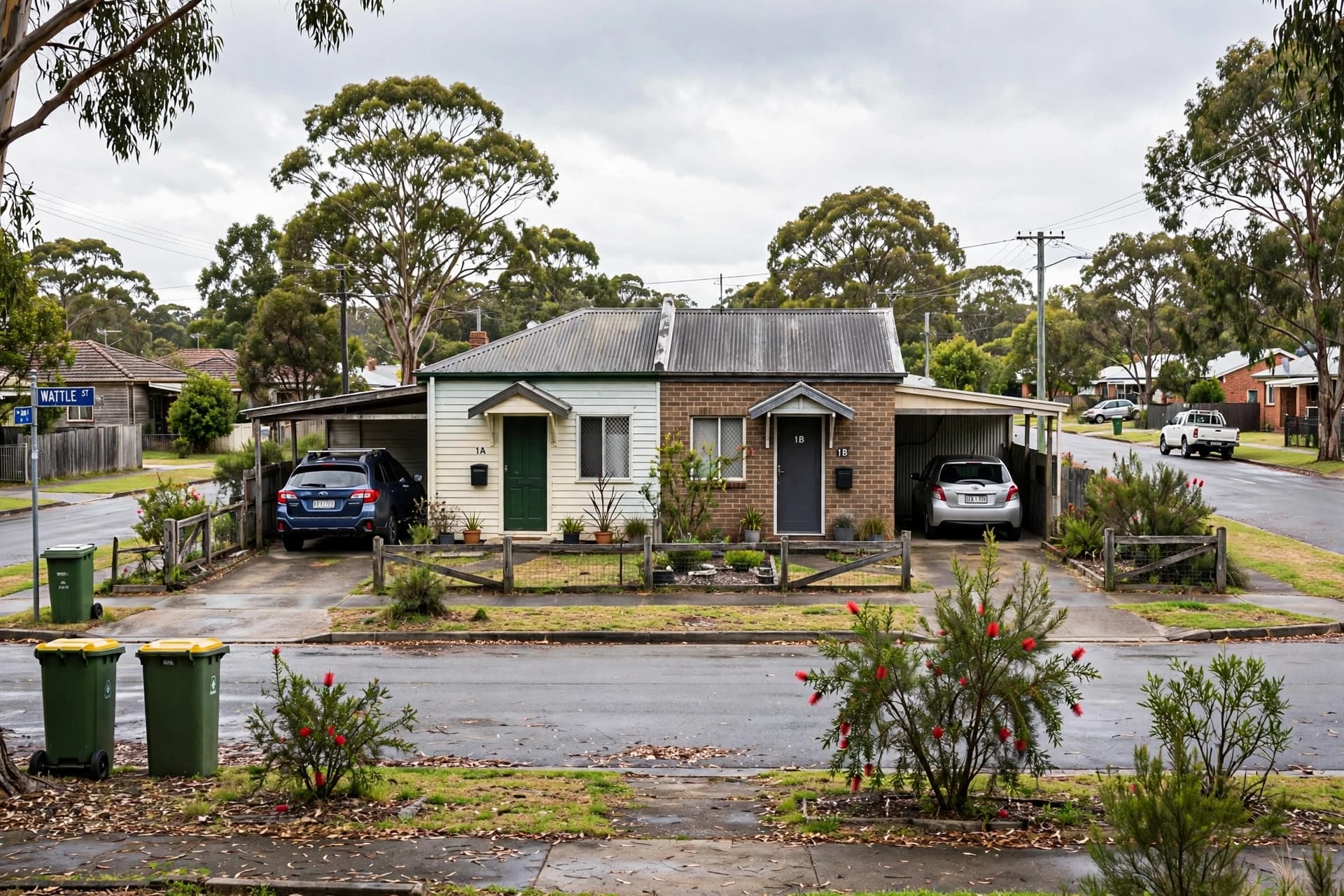
AI Image Disclaimer: Please note that any accompanying visuals for this article are AI-generated representations intended for illustrative purposes only.
Sources: The New York Times, NPR, NBC News, PBS, ABC News
Published by Banx Network. This article is part of the Banx decentralized media programme, powered by the BXE token on the XRP Ledger.