
Key Highlights
- Japan's gas-fired electricity generation fell by 16% in June.
- Coal generation increased by 4.6% during the same period.
- LNG imports decreased by 7% from March to June compared to last year.
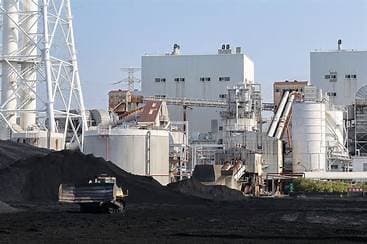
Japan has made a significant shift in its energy production strategy, sharply reducing gas-fired electricity generation in June while increasing its reliance on coal. This change comes in response to supply disruptions around the Strait of Hormuz, which have tightened liquefied natural gas (LNG) supplies. Data compiled by the country's nine largest utilities and reported by Bloomberg reveals that Japan produced approximately 17.3 terawatt-hours of electricity using gas in June, marking a 16% decline compared to the same month last year. In contrast, coal generation saw a modest increase of 4.6% during this period.
The implications of this shift are profound, highlighting how quickly geopolitical disturbances can impact energy availability. Japan, recognized as the world’s second-largest LNG buyer, has faced challenges in securing its preferred cleaner fuel due to escalating tensions in the Middle East. The ongoing conflict has led to a notable reduction in LNG imports, with figures showing a 7% decrease from March to June compared to the previous year, as indicated by ship-tracking data.
The report underscores the connection between the price and supply pressures on LNG and the broader disruptions affecting Middle Eastern exports. Currently, LNG spot prices in Asia are approximately 70% higher than pre-war levels, making gas less appealing for Japanese power producers. This economic pressure is forcing utilities to pivot towards higher-emission alternatives, such as coal, which poses significant environmental concerns.
Japan's energy landscape is undergoing a transformation as it grapples with these challenges. The reliance on coal, a more polluting energy source, raises questions about the country's long-term energy strategy and its commitments to reducing carbon emissions. As the situation evolves, stakeholders in Japan's energy sector will need to navigate the delicate balance between energy security and environmental responsibility.
In conclusion, Japan's recent energy decisions reflect the complex interplay between geopolitical events and domestic energy policies. The shift towards coal amid LNG supply disruptions serves as a reminder of the vulnerabilities inherent in global energy markets and the urgent need for diversified energy strategies that prioritize both security and sustainability.
Published by Banx Network. This article is part of the Banx decentralized media programme, powered by the BXE token on the XRP Ledger.



