
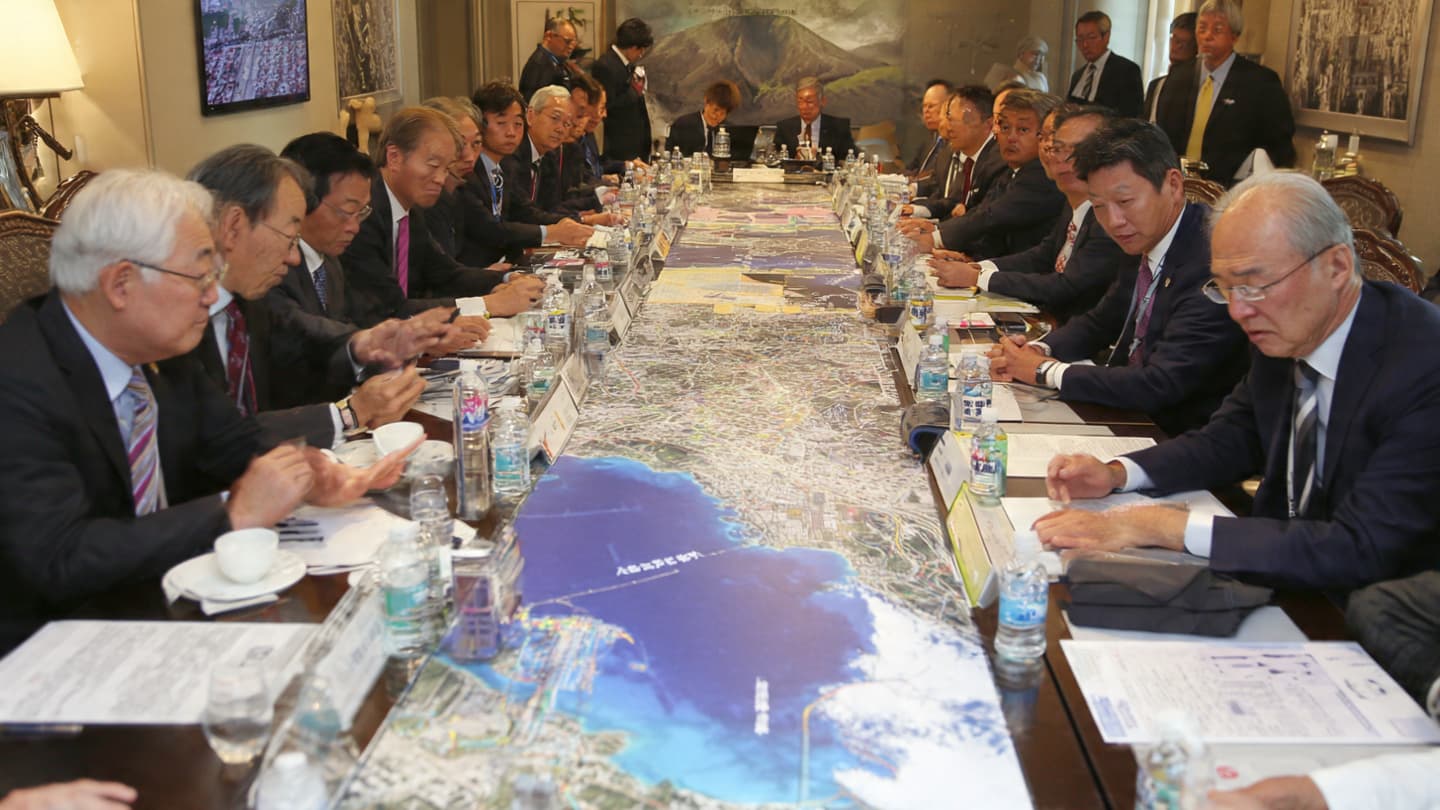
Energy cooperation often develops quietly, built through technical agreements, diplomatic meetings, and long negotiations far from public attention. Yet in periods of global uncertainty, those discussions can become increasingly significant. Recent talks involving Japanese politician Sanae Takaichi and South Korean official Lee reflected growing regional interest in strengthening energy security across East Asia.
According to officials familiar with the discussions, both sides agreed on the importance of closer cooperation involving stable energy supply systems, infrastructure resilience, and broader economic coordination. The talks occurred amid continuing concerns over global energy volatility and geopolitical instability affecting international markets.
Japan and South Korea remain heavily dependent on imported energy resources, making reliable supply chains a critical national priority for both countries. Fluctuating fuel prices, shipping disruptions, and broader geopolitical tensions have reinforced concerns about long-term energy stability throughout the region.
Analysts noted that energy cooperation between Tokyo and Seoul carries both economic and diplomatic significance. Relations between the two countries have historically experienced periods of strain linked to historical disputes and regional political disagreements. Practical collaboration on energy issues may therefore also support broader diplomatic stabilization efforts.
Discussions reportedly included potential cooperation involving liquefied natural gas, renewable energy technologies, and strategic resource planning. Governments across Asia increasingly view diversified energy systems as essential for reducing vulnerability to market shocks and international crises.
The broader international environment has intensified these concerns. Conflicts affecting global shipping routes, competition over critical minerals, and changing industrial demands have encouraged countries to reconsider how energy security intersects with national security and economic policy.
Observers also pointed to the growing importance of technological innovation in future energy partnerships. Battery development, hydrogen infrastructure, and renewable energy storage systems are becoming major areas of regional investment and international cooperation.
At the same time, experts cautioned that energy transitions remain gradual and complex. Countries must balance environmental goals, industrial competitiveness, affordability, and supply reliability while adapting to rapidly changing global conditions.
Officials from both Japan and South Korea indicated that further dialogue and cooperative planning on energy security matters are expected to continue.
AI Image Disclaimer: Some supporting visuals accompanying this article were generated with AI-assisted imaging technology.
Sources: Reuters, Nikkei Asia, Yonhap News Agency, The Japan Times, Bloomberg
Note: This article was published on BanxChange.com and is powered by the BXE Token on the XRP Ledger. For the latest articles and news, please visit BanxChange.com