
Key Highlights
- Iran is negotiating oil sales with Japanese companies under a U.S. sanctions waiver.
- Buyers are seeking longer sanctions relief and safety guarantees for tanker routes.
- The current waiver allows exports until August 21, 2026.
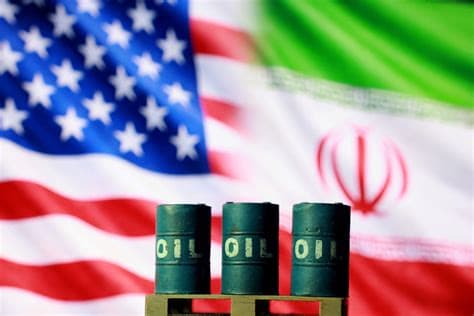
Iran has initiated discussions with Japanese companies regarding the resumption of oil sales, leveraging a U.S. sanctions waiver that was authorized in June. According to three sources from Iranian and Western backgrounds, prospective buyers are not only interested in purchasing Iranian crude but are also requesting an extension of the sanctions relief period and assurances about the safety of tanker operations in the Persian Gulf.
The U.S. government granted a temporary waiver for Iranian oil sales as part of ongoing negotiations aimed at reaching a final peace agreement with Tehran. This waiver currently permits exports until August 21, 2026, which has sparked interest among Japanese buyers who have not engaged in purchasing Iranian oil since 2019. The discussions reportedly involve private-sector Japanese firms, although Japan's government ministry responsible for fuel supply infrastructure has stated it is not aware of any specific deals being finalized.
Concerns among buyers primarily revolve around the potential for extending the sanctions relief beyond the current expiration date. Given the shipping timelines between Japan and Iran, buyers are anxious about whether they can secure timely deliveries. Additionally, the safety of voyages through the Strait of Hormuz is a significant concern, particularly in light of ongoing security risks in the region. The United Nations shipping agency has reported the presence of floating mines, and there have been recent attacks in the waterway, raising alarms about the safety of maritime operations.
Insurance for tankers is another critical issue that could hinder Japanese refiners from proceeding with purchases. Analysts have indicated that without a longer-term waiver, many Asian refiners may hesitate to engage in significant buying, which could leave China as the primary destination for any resumed Iranian oil exports. The geopolitical landscape surrounding oil sales remains complex, with various factors influencing the decisions of potential buyers.
As these discussions unfold, the implications for both Iranian oil exports and Japan's energy security will be closely monitored. The outcome of these negotiations could reshape the dynamics of oil trade in the region, especially if a more permanent solution to the sanctions issue is reached.
Published by Banx Network. This article is part of the Banx decentralized media programme, powered by the BXE token on the XRP Ledger.



