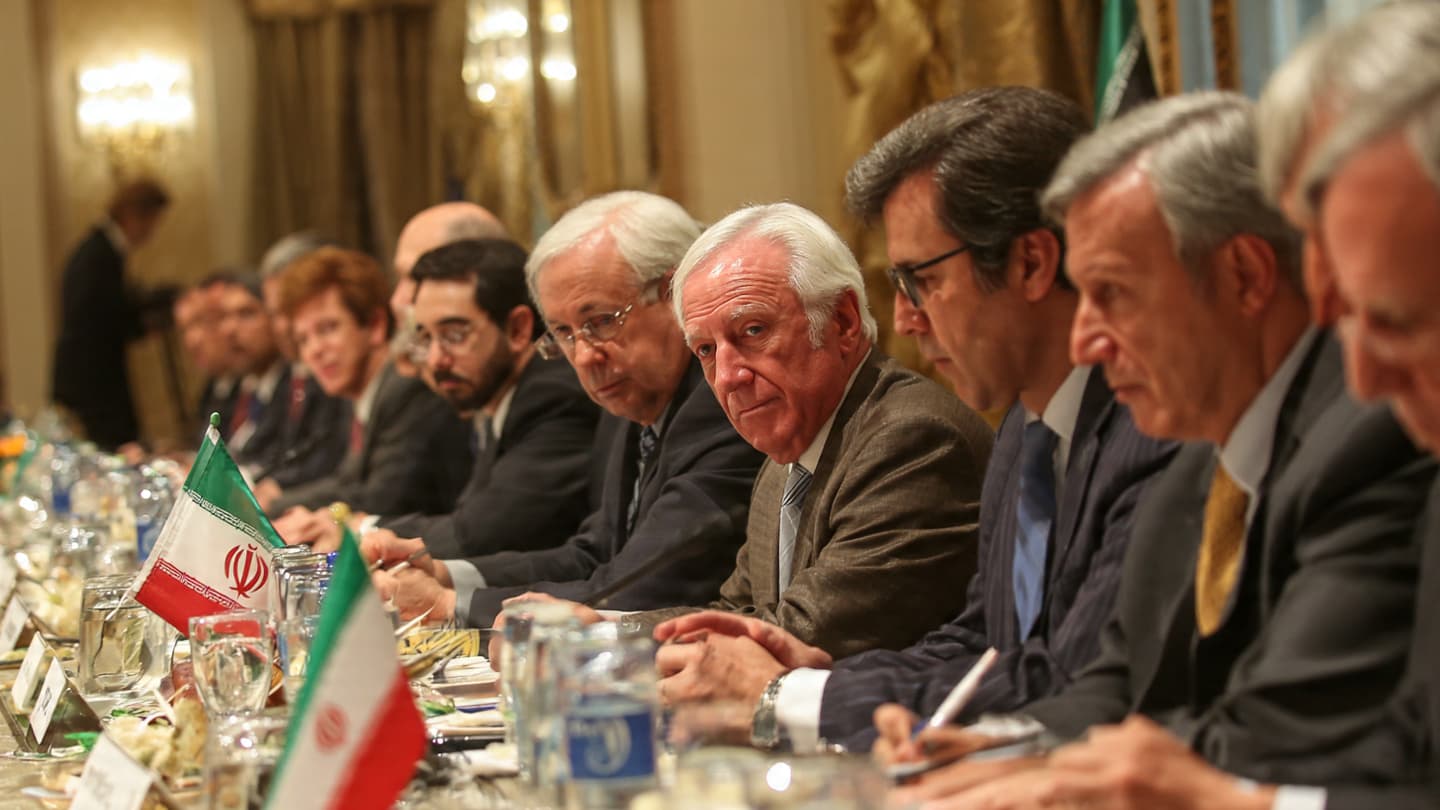
In the Middle East, influence is not always measured by victory in the traditional sense. Sometimes it emerges through endurance, shifting perceptions, or the gradual reshaping of regional priorities after years of instability. In a region long marked by conflict and strategic rivalry, nations often discover that survival itself can alter the diplomatic landscape in unexpected ways.
Recent analysis surrounding Iran’s regional position suggests that Tehran has managed to strengthen aspects of its diplomatic influence despite economic pressure, sanctions, and prolonged confrontation with rival powers. Some observers argue that Gulf states once sharply aligned against Iran are increasingly advocating restraint and regional stability rather than direct escalation.
This shift has emerged partly from years of conflict across the Middle East, including tensions affecting shipping routes, energy infrastructure, and regional security. Gulf governments have increasingly emphasized dialogue and de-escalation as they seek to protect economic development plans and long-term investment ambitions.
Analysts note that several Gulf countries have recalibrated their foreign policy strategies in recent years. Efforts to restore diplomatic relations with Iran, reopen channels of communication, and reduce military confrontation have reflected broader concerns about regional instability and economic vulnerability.
Iran, meanwhile, continues facing significant economic challenges linked to international sanctions and domestic pressures. Yet diplomatic observers argue that Tehran has benefited strategically from a regional environment in which neighboring states increasingly prioritize stability over confrontation.
The changing atmosphere also reflects broader global shifts involving energy markets, trade corridors, and geopolitical competition between world powers. Gulf states are seeking to position themselves as centers of investment, logistics, and tourism, goals that depend heavily on reducing regional conflict risks.
Observers caution, however, that underlying tensions between Iran and several regional actors remain unresolved. Disputes surrounding security, proxy conflicts, nuclear negotiations, and maritime activity continue shaping regional calculations despite periods of diplomatic engagement.
For many governments in the Gulf, diplomacy has become less about choosing permanent alliances and more about managing risk in an increasingly unpredictable international environment. In that context, dialogue itself has become a strategic tool rather than simply a gesture of goodwill.
Regional discussions involving Iran and Gulf states are expected to continue as governments balance security concerns with economic ambitions and broader efforts to maintain stability across the Middle East.
AI-generated image disclaimer: Certain visuals connected to this article may be AI-generated depictions intended to illustrate regional diplomacy and geopolitical themes.
Sources: Financial Times, Reuters, Al Jazeera, BBC News, The Economist
Published by Banx Network. This article is part of the Banx decentralized media programme, powered by the BXE token on the XRP Ledger.