
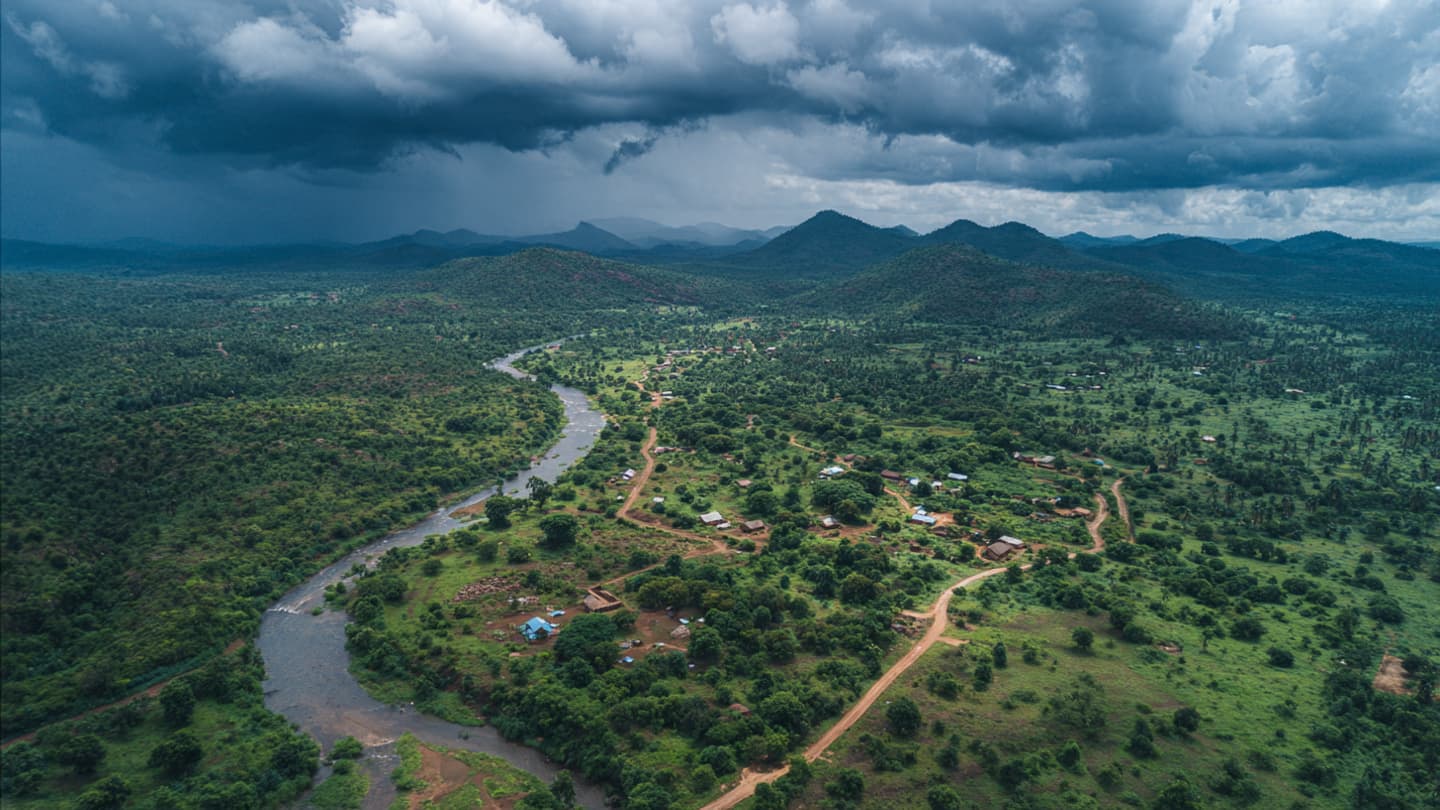
In the deep green landscapes of Central Africa, where roads often dissolve into mud after afternoon rain and rivers carry both commerce and memory between distant towns, illness can arrive quietly. A fever in one household becomes whispers across a village. A crowded clinic grows quieter by evening. The sound of motorcycles carrying nurses along narrow roads begins to blend with the rhythm of uncertainty that settles over communities long familiar with outbreaks, yet never fully prepared for their return.
This week, the World Health Organization warned that the number of deaths linked to a suspected Ebola outbreak is likely to rise further as health workers continue tracing infections and testing suspected cases. The warning came amid growing concern that the disease may already have spread beyond the earliest known clusters, moving through communities where healthcare access remains fragile and surveillance systems struggle against geography, funding shortages, and public fear.
Officials have reported multiple suspected deaths connected to the outbreak, while teams in protective suits travel between clinics and villages collecting samples, monitoring contacts, and attempting to slow transmission before the virus gains greater momentum. In affected regions, the response often unfolds not only inside laboratories and emergency centers, but also in marketplaces, churches, schools, and homes where ordinary routines continue beneath the weight of caution.
Ebola has long carried a particular emotional gravity across the continent. The disease moves with terrifying efficiency once transmission begins unchecked, spreading through bodily fluids and often overwhelming clinics already stretched thin. Yet beyond the clinical language of outbreaks and case counts lies another reality: communities shaped by memory. Many families in Central Africa still remember earlier epidemics — the isolation wards, the emptied streets, the funerals conducted from a distance, and the long months when touch itself became something dangerous.
The current outbreak has again drawn attention to the delicate balance between public trust and emergency intervention. Health officials continue urging communities to report symptoms quickly and cooperate with tracing efforts, though fear and misinformation sometimes move as rapidly as the virus itself. In remote areas, where roads are unreliable and medical infrastructure sparse, delays of even a few days can deepen the challenge of containment.
International agencies have begun mobilizing supplies and personnel while neighboring countries review border surveillance and preparedness measures. Vaccines developed after previous Ebola crises remain one of the most important tools available, though distribution requires careful logistics in regions where refrigeration, transportation, and staffing remain inconsistent. Medical teams now work not only against the disease, but also against exhaustion — many responders carrying experience from earlier epidemics, including the devastating West African outbreak that reshaped global public health systems a decade ago.
There is also a wider unease lingering beneath the response. Global health agencies, still recovering from the strain of recent pandemics and funding pressures, face renewed questions about preparedness in regions where outbreaks can expand rapidly before international attention fully arrives. The warning from the WHO was therefore not only statistical, but atmospheric — an acknowledgment that the earliest numbers in an epidemic rarely tell the full story.
And yet life continues around the outbreak’s edges. Markets open in the morning heat. Children walk narrow paths between homes. Riverboats still cross muddy waters carrying food, medicine, and conversation between towns. In these places, crisis rarely arrives with dramatic clarity. It enters slowly, settling into daily routines before the world beyond begins to notice.
As health workers continue investigations and laboratories process new samples, officials expect confirmed figures to evolve in the coming days. The WHO has cautioned that additional suspected deaths and infections are likely to emerge as surveillance expands. For now, much of the region remains suspended between vigilance and uncertainty — waiting for numbers to stabilize, for treatments to reach isolated communities, and for the familiar hope that containment may arrive before fear spreads further than the disease itself.
AI Image Disclaimer Visuals are AI-generated and serve as conceptual representations of the events described.
Sources
World Health Organization Reuters Associated Press BBC News Centers for Disease Control and Prevention
Note: This article was published on BanxChange.com and is powered by the BXE Token on the XRP Ledger. For the latest articles and news, please visit BanxChange.com