
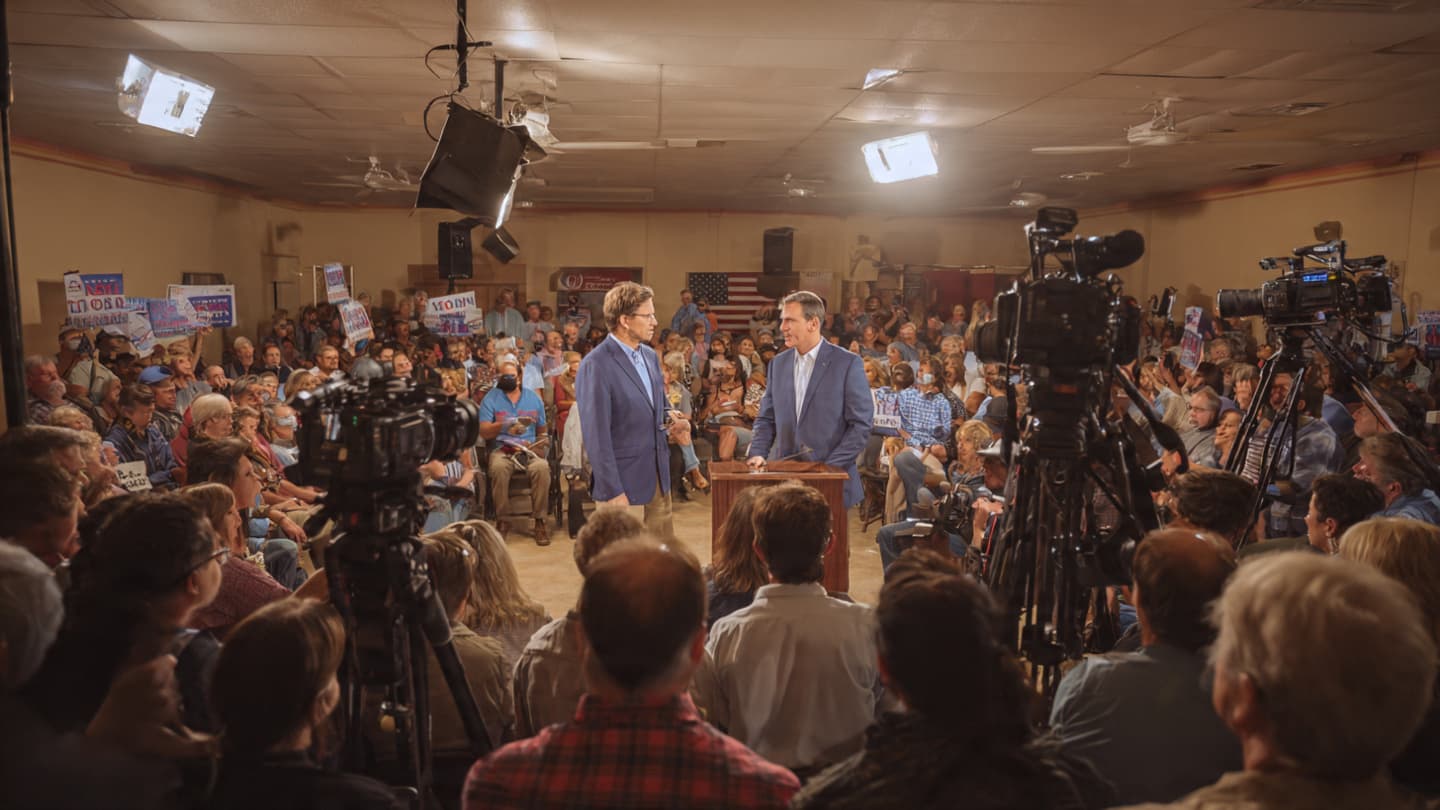
Political campaigns often unfold like long summer storms across wide state horizons — gathering quietly at first before drawing sudden attention from every direction. In Texas, a Democratic primary race has recently become unsettled by the emergence of a little-known super PAC reportedly linked to Republican political circles, adding another layer of tension to an already competitive election season.
The super PAC, whose funding sources and strategic goals have become subjects of growing scrutiny, has reportedly spent heavily on advertising and messaging tied to a Democratic primary contest in Texas. Analysts and campaign observers say the organization’s activities have intensified debate surrounding outside influence in primary elections and the increasingly complex role of political spending.
While super PACs are legally permitted to raise and spend unlimited amounts of money independently of campaigns, their involvement often generates questions about transparency and political strategy. In this case, reports connecting the organization to GOP-aligned figures have added to speculation regarding whether Republican interests may be attempting to shape the outcome of a Democratic contest.
Candidates involved in the primary have responded in different ways. Some criticized the influence of outside money, arguing that voters should remain focused on local issues and community concerns. Others called for clearer disclosure regarding donors and political affiliations tied to campaign spending. The debate has gradually shifted from policy differences to broader concerns over electoral influence.
Texas remains one of the country’s most politically significant states, with both major parties investing heavily in long-term electoral positioning. Competitive primaries frequently attract national attention due to the state’s size, demographic changes, and strategic importance in future federal elections. As a result, even regional races can become intertwined with national political calculations.
Campaign finance experts note that modern political advertising ecosystems have made it increasingly difficult for voters to trace the origins of messaging campaigns. Organizations may operate through layered structures that obscure funding pathways while remaining within legal frameworks. This complexity has fueled ongoing bipartisan discussions about transparency in American elections.
For many voters, however, the practical concerns of everyday life remain central despite the noise surrounding campaign strategy. Issues such as healthcare, education, infrastructure, and economic opportunity continue shaping local political priorities. Observers suggest that while super PAC activity can influence narratives, voter turnout and grassroots engagement often remain decisive factors.
The unfolding situation in Texas reflects a broader reality within American politics, where campaign influence increasingly flows through networks operating beyond traditional party structures. Elections are no longer shaped solely by candidates standing on debate stages, but also by organizations working quietly through advertising, funding, and strategic messaging.
The Democratic primary continues as scrutiny over the super PAC’s activities grows among political observers and media outlets. Election officials and campaign analysts are expected to monitor spending disclosures closely as voting approaches in one of the country’s most closely watched political battlegrounds.
AI Image Disclaimer: Images used with this article were produced through AI-assisted visualization tools.
Sources: The Texas Tribune, Politico, Reuters, Associated Press, The Washington Post
Note: This article was published on BanxChange.com and is powered by the BXE Token on the XRP Ledger. For the latest articles and news, please visit BanxChange.com